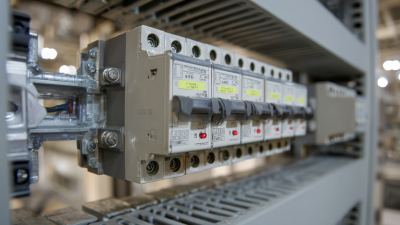
The 139th Canton Fair is just around the corner, set to run from April 15 to May 5, 2026. This event’s going to showcase some pretty exciting trends in manufacturing and innovative new materials, with Metal Bus Bars taking center stage. As companies look for smarter, more efficient ways to handle energy, Metal Bus Bars are really catching attention—they're pretty much vital for electrical systems, making power distribution reliable and steady.
Thanks to AI, the fair experience will be smoother than ever. Attendees will be able to quickly find suppliers that have the right certifications like ISO and CE without a hassle. They've also rolled out some smart navigation tools, which should vastly improve moving around the huge 1.55 million square meters of exhibition space. But of course, with so many options, companies will need to step up their game to stand out.
That said, even with all these cool advancements, there’s still room for improvement. Making sure Metal Bus Bars are top-notch quality is super important, but there are ongoing issues like product consistency and the reliability of suppliers. Keeping these concerns in mind and working on them can make a real difference. Overall, the outlook for Metal Bus Bars looks pretty good—just remember, paying attention to the fine details really counts.
At the 139th Canton Fair, emerging metal bus bar designs captured attention. These innovations reflect a significant shift in the electrical components industry. The latest designs focus on improving efficiency and durability. Metal bus bars are crucial for power distribution systems in various sectors. According to a recent market report, the global bus bar market is expected to grow at a CAGR of 5.2% from 2021 to 2026. This growth indicates an increasing demand for advanced metal bus bar solutions.
One prominent trend highlighted at the fair is the emphasis on sustainable materials. Manufacturers are incorporating eco-friendly components into their designs. This approach aligns with global initiatives to reduce carbon footprints. In addition, the trend showcases a move towards modular systems. These allow for easier upgrades and maintenance. However, the challenge remains in balancing performance and sustainability. Factors such as cost and material sourcing can complicate production.
Moreover, the fair revealed innovative aesthetics in metal bus bar designs. Sleeker profiles and customizable colors are becoming popular. These designs attract sectors beyond traditional electrical applications. Yet, the industry must address potential issues with user adaptability. An aesthetic design must not compromise functionality. This ongoing conversation at the fair is vital to keeping the industry dynamic and responsive.
| Design Type | Material | Current Rating (A) | Insulation Type | Application Area |
|---|---|---|---|---|
| Compact Design | Copper | 1000 | Epoxy Coated | Data Centers |
| High Conductivity | Aluminum | 800 | Polyester Insulated | Industrial Machinery |
| Corrosion Resistant | Copper Alloy | 1200 | Thermal Shrinkage Tubing | Outdoor Substations |
| Modular Design | Steel | 600 | PVC Insulation | Renewable Energy Systems |
| Ultra-Thin Profile | Copper | 500 | Foil Insulation | Consumer Electronics |
The metal bus bar industry is witnessing a shift. Innovative materials are paving the way for enhanced performance and efficiency. Lightweight alloys and advanced composites are gaining traction. These materials offer better conductivity and durability, crucial for modern electrical systems.
At the upcoming Canton Fair, various manufacturers will showcase their latest innovations. Expect to see bus bars made with eco-friendly materials. Such innovations not only improve functionality but also reduce environmental impact. The industry must reflect on these advancements. Are traditional materials still viable?
Challenges remain as manufacturers adapt. Compatibility with existing systems is a key concern. Collaboration between material scientists and engineers could lead to breakthroughs. As trends evolve, companies must stay informed. Will they embrace change or cling to the past?
At the 139th Canton Fair, sustainability takes center stage in metal bus bar production. Manufacturers are keen to showcase eco-friendly practices. From raw material sourcing to finished products, the focus is on reducing environmental impact. This approach resonates with a growing demand for greener solutions.
During the fair, several companies display innovative recycling methods. They transform waste materials into functional bus bars. This practice not only supports resource conservation but also demonstrates a commitment to sustainability. However, challenges remain. Many manufacturers struggle to fully implement these eco-friendly methods due to high upfront costs and technological limitations.
Engaging discussions arise around the balance between cost and sustainability. Many attendees express concern over these trade-offs. There’s a clear enthusiasm for sustainable practices, but the path forward isn’t perfect. Some leaders share stories of trial and error. Their experiences highlight the need for ongoing innovation and adaptation in metal bus bar production.
The 139th Canton Fair will showcase the latest innovations in metal bus bars. Key manufacturers are set to introduce exciting products designed for improved efficiency and reliability. Innovations in materials and design are expected to draw attention from industry leaders and potential buyers alike.
Leading manufacturers are emphasizing durability and performance. One common trend is the use of lightweight yet strong materials. This change can enhance performance while reducing installation costs. Moreover, solar and renewable energy applications are becoming increasingly prominent in their offerings. This shift reflects a growing market demand.
However, there are still challenges. Manufacturers must ensure they meet the stringent standards required for various applications. Feedback from users highlights concerns regarding compatibility and installation ease. Addressing these issues will be crucial for future development. As manufacturers showcase their latest products, the emphasis on sustainable practices will likely change the landscape of the metal bus bar industry.
The metal bus bar industry is witnessing significant advancements in technology. These improvements enhance efficiency and performance. Recent industry reports suggest a 15% increase in energy efficiency due to these innovations. Manufacturers are adopting better materials and designs. This transition is vital.
Smart technologies are changing how bus bars operate. For instance, IoT integration allows real-time monitoring. Data shows that this can reduce maintenance costs by up to 20%. However, some companies still lag in adopting these technologies. They risk falling behind in a rapidly evolving market.
Sustainability is also a pressing concern. Data indicates that the demand for eco-friendly bus bars has risen by 25% in the last year. More manufacturers are exploring recyclable materials. Still, issues such as production waste management need more focus. Balancing efficiency and sustainability remains a challenge for many in the industry.
The demand for metal bus bars has been steadily rising. Recent market reports indicate a projected growth rate of 6.7% annually through 2028. This trend reflects the expanding industrial sector and increasing adoption of renewable energy sources. Metal bus bars help improve energy efficiency in various applications.
Consumer preferences are shifting towards customization. Many companies now seek tailored solutions for specific voltage and current needs. Studies show that 72% of businesses value flexibility in design. Furthermore, there is a growing trend for compact and lightweight materials. This caters to the needs of modern electrical systems.
However, challenges persist. The supply chain for raw materials has been volatile. Prices fluctuate, impacting production costs. Manufacturers must adapt and innovate to remain competitive. Eco-friendly manufacturing methods are also gaining traction, yet not all companies understand their importance. There’s room for improvement in sustainability practices across the industry. Consequently, adapting to these market demands is crucial for future success.
The 139th Canton Fair showcased exciting trends in metal bus bar technology. As industries evolve, the need for high-performance solutions grows. Metal bus bars play a crucial role in efficient power distribution and management. Recent innovations focus on enhancing conductivity while reducing weight. This shift allows for better space utilization, especially in compact designs.
Looking forward, the development of metal bus bars will emphasize sustainability. Manufacturers are exploring eco-friendly materials and processes. Integrating smart technology could be a game changer. Real-time monitoring features help prevent failures and boost efficiency. However, adopting new technologies comes with challenges. Not all manufacturers are ready to make these investments.
Furthermore, adapting to global demands is essential. Different regions may have unique requirements. Navigating these preferences could lead to inconsistencies in production. Companies need to remain aware of evolving regulations. Balancing quality with cost-effectiveness will be a continuous challenge in the market.
: Lightweight alloys and advanced composites are gaining traction for better conductivity and durability.
Various manufacturers will present bus bars made with eco-friendly materials that enhance functionality.
Durability, lightweight materials, and a focus on renewable energy applications are trending.
Compatibility with existing systems and meeting stringent standards are key concerns.
There is an increasing demand for customization and flexibility for specific voltage and current needs.
Eco-friendly methods are gaining traction, but not all companies grasp their importance.
Volatility in prices can affect production costs and create challenges for manufacturers.
Addressing installation ease and user feedback will be crucial for improving products.
Many businesses value compact and lightweight designs that cater to modern electrical systems.
Manufacturers need to question the viability of traditional materials amid changing market demands.
The 139th Canton Fair showcased innovative trends in the metal bus bar industry, highlighting emerging designs and transformative materials that enhance efficiency and sustainability. Notable advancements in technology are revolutionizing metal bus bar production, with a strong emphasis on eco-friendly practices. Key manufacturers presented their latest offerings, reflecting the growing market trends and consumer demands for improved performance and reliability in metal bus bars.
As the industry evolves, future directions for metal bus bar development appear promising, focusing on integrating cutting-edge technology to drive further efficiency. The fair underscored the importance of adapting to emerging market needs while maintaining sustainable practices, setting a clear path for the growth and advancement of metal bus bars in the coming years.