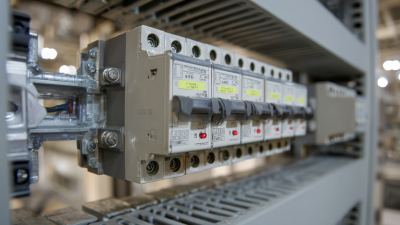
Bus bars really are a key part of modern electrical systems — you know, they keep things running smoothly. I remember John Smith from Power Solutions Inc. mentioning that “bus bars essentially make energy distribution so much more streamlined.” It’s true! They help transfer electrical power efficiently, which is super important for keeping everything stable and reliable across different setups.
The way bus bars are designed and installed actually makes a big difference in how well the system performs. They help cut down on energy losses and prevent overheating — pretty important, right? Lots of industries rely on them to get things done reliably. That said, not everyone follows best practices when installing them. Some companies kind of overlook things like proper insulation or spacing, and that can lead to issues that hurt efficiency down the line.
Now, even though bus bars have lots of perks, there can still be hiccups. For example, they need to be planned carefully – a small mistake here could cause a short circuit. Every connection needs to be checked thoroughly. Also, choosing good quality materials really matters — going cheap might save some bucks upfront, but it’s usually a false economy in the long run. Bottom line? Knowing both the benefits and potential risks is super important when you’re working on any electrical project.

Understanding Bus Bars: Definition and Functionality
Bus bars are vital components in electrical systems, providing a simple solution for distributing power efficiently. They consist of a conductive material, often copper or aluminum, designed to handle high currents. By connecting multiple circuits in one area, they improve organization and safety. Their design minimizes resistance, ensuring effective power distribution.
Tips to consider: Always examine the current rating of bus bars. An inadequate rating can lead to overheating. Regular inspections are crucial for maintaining efficiency and safety. Check for signs of wear or corrosion over time.
Bus bars also facilitate easy maintenance. Unlike complex wiring systems, they allow quick access to various circuits. However, improper installation can lead to issues. It’s essential to follow guidelines and ensure proper connections. A well-installed bus bar can significantly reduce downtime during repairs. When planning, consider the layout carefully. Poor layout can complicate future maintenance tasks.
Types of Bus Bars Used in Electrical Systems
Bus bars are crucial components in electrical systems. They serve as a conduit for electrical current, allowing for efficient power distribution. Various types of bus bars exist, each tailored for specific applications.
One common type is the copper bus bar. It’s renowned for its excellent conductivity. This type minimizes energy loss during transmission. Then, there are aluminum bus bars. They are lighter and often less expensive than copper. However, they might not offer the same conductivity levels.
Moreover, insulated bus bars provide added safety. They are used in environments where contact with live parts could be hazardous. This insulation also aids in preventing short circuits. Each type has its pros and cons.
When selecting a bus bar, consider the application and environment. This step is vital to ensure safety and efficiency.
Key Advantages of Using Bus Bars in Power Distribution
Bus bars are critical components in electrical systems, primarily used for power distribution. They offer several advantages that enhance efficiency and safety. According to a recent industry report, systems utilizing bus bars can save up to 15% on energy losses compared to traditional wiring methods. These bars efficiently manage high currents, which reduces the risk of overheating.
One significant benefit is space optimization. Bus bars occupy less space than bulky wire systems. In confined environments, this advantage becomes essential. They simplify the design and layout of electrical systems, allowing for more room for other components. However, it's important to ensure proper insulation and installation to avoid potential issues like corrosion.
Tips: Regularly inspect bus bars for signs of wear. This helps prevent unexpected failures. Maintaining proper cleanliness is also vital. Dirt accumulation can impact performance and safety. Furthermore, consider integrating smart monitoring systems. These systems can provide real-time data on load and temperature, enhancing reliability.
Top 10 Benefits of Using Bus Bars in Electrical Systems
Enhanced Safety Features of Bus Bars in Electrical Installations
Bus bars are critical components in electrical installations, offering enhanced safety features that cannot be overlooked. Their design allows for high current capacity with minimal resistance. This ensures that power distribution remains efficient and prevents overheating. By effectively managing electrical load, bus bars reduce the risk of fire hazards in commercial and industrial settings.
Moreover, the use of bus bars simplifies wiring and reduces the chances of human error. Unlike traditional wiring systems, which can be complex and cumbersome, bus bars provide a clear, centralized solution for electrical connections. However, this does not mean that installation is foolproof. If not properly maintained, bus bars can suffer from corrosion and wear. Regular inspections are necessary to ensure their reliability.
In addition to efficiency, bus bars enhance overall safety by minimizing the potential for electrical shorts. Their robust construction means they can withstand higher stresses. But even with these advantages, there are scenarios where neglecting proper installation procedures can lead to problems. Operators must remember that safety is a shared responsibility. Proper training is essential to maximize the benefits of using bus bars in any electrical system.
Cost Efficiency of Bus Bars Compared to Traditional Wiring
Bus bars offer significant cost efficiency compared to traditional wiring. They require less material, reducing expenses. With bus bars, installation becomes easier and faster. This leads to lower labor costs as well. In some cases, time savings can be substantial. Reduced installation time contributes to the overall savings.
Moreover, bus bars have lower maintenance costs. They are more durable than traditional wiring. Fewer connections mean fewer potential points of failure. This reliability can save money in the long run. Sustaining performance over time is crucial for budget management. However, upfront costs for bus bars may be higher, which can deter some users. It's important to evaluate long-term benefits versus initial investments.
Planning and installation require careful consideration. While bus bars provide advantages, poor design can lead to inefficiencies. Effective heat distribution can be a challenge without proper layout. Improper use can lead to safety concerns. Therefore, thoughtful implementation is key. Balancing cost and safety is essential for optimal results. The potential savings are clear, but the process must be handled with expertise.
Top 10 Benefits of Using Bus Bars in Electrical Systems
| Benefit |
Description |
Cost Efficiency |
| Space Saving |
Bus bars occupy less space compared to traditional wiring systems. |
Lower installation costs due to compact design. |
| Improved Safety |
Reduced risk of short circuits and electrical hazards. |
Lower insurance costs due to reduced risk of damage. |
| Enhanced Reliability |
Less prone to failure compared to wired systems. |
Reduced maintenance costs over time. |
| Easier Maintenance |
Simplified system layout enhances access and repairs. |
Reduces downtime costs during maintenance. |
| High Current Capacity |
Capable of handling large currents efficiently. |
Minimizes the need for multiple conductors, reducing expense. |
| Heat Dissipation |
Better heat management than traditional wiring. |
Lower cooling costs in high-power applications. |
| Flexibility in Design |
Easily adaptable to changing electrical needs. |
Saves costs on future upgrades and expansions. |
| Lower Installation Time |
Quicker to install than a network of cables. |
Reduces labor costs and project timelines. |
| Environmental Impact |
Less material required leads to a lower carbon footprint. |
Cost savings through sustainability initiatives. |
Applications of Bus Bars in Various Industries
Bus bars are integral components in many industries. They serve as a central point for distributing electrical power. Their applications span across power generation, manufacturing, and transportation. For instance, in the telecommunications sector, bus bars play a crucial role in ensuring uninterrupted power supply to systems. According to a recent industry report, the demand for bus bars is expected to grow by 6% annually through 2025.
In manufacturing, bus bars help optimize space and reduce costs. They can be customized for specific needs, fitting into diverse setups. Using bus bars in factories allows for efficient current flow. This reduces the chances of overheating, which could lead to equipment failure. Data suggests that 30% of electrical faults in industrial settings could be traced back to outdated wiring systems.
Tips: Regularly inspect bus bars to ensure they are clean and corrosion-free. This simple maintenance can prevent significant issues. Always choose the right size and material for your application. A mismatch can lead to inefficiencies. Reflecting on these aspects can improve your electrical system's overall reliability.
Maintenance and Durability Considerations for Bus Bars
Bus bars are crucial in electrical systems, providing a reliable means of distributing power. However, their maintenance and durability are often overlooked. Regular inspections can prevent failures. Identifying loose connections or corrosion early is key.
Enhancing durability involves using high-quality materials. These can withstand heat and corrosion, prolonging their lifespan. Sometimes, choosing cost-effective options leads to frequent replacements. This may increase overall costs and downtime. Proper installation is equally important. Misaligned bus bars can lead to wear and inefficiency over time.
Cleaning is essential for optimal performance. Dust or debris accumulation can impact functionality. Annual cleaning schedules are beneficial. However, some may not prioritize this, resulting in potential issues. Developing a strong maintenance routine is crucial, yet many fail to see its importance until it's too late. Recognizing maintenance gaps can lead to more efficient systems and prolonged equipment life.
FAQS
: This product aims to enhance daily effectiveness. It offers practical solutions for common challenges.
Anyone looking to improve their routine can benefit. Students, professionals, and homemakers find it useful.
Follow the provided guidelines carefully. Ensure proper setup and check for any specific instructions.
Some users report minor discomfort initially. It may take time to adjust. Reflect on your experience.
Yes, a return policy is available. Check the conditions and timeframes for returns carefully.
Troubleshoot common problems first. If unresolved, seek assistance through the provided customer support channels.
Results may vary. Some users notice improvement in a few weeks, while others may require longer.
Generally, it is safe, but individual reactions may differ. Consult with a healthcare professional if unsure.
Yes, but monitor your body’s response. Combining products can lead to unexpected effects. Reflect on how you feel.
It’s important to assess your goals. If it falls short, think about adjusting your approach or expectations.
Conclusion
Bus bars are vital components in electrical systems, serving as conductive connections that efficiently distribute electrical power. They come in various types, each designed to meet specific needs within electrical systems. The primary advantages of using bus bars include their ability to enhance safety through robust designs, improve cost efficiency when compared to traditional wiring, and require less maintenance thanks to their durability.
In terms of applications, bus bars are widely utilized across various industries, including manufacturing and renewable energy, due to their compact size and effectiveness in high-capacity systems. Overall, the integration of bus bars into power distribution networks not only optimizes performance but also ensures a safer operating environment, making them an essential choice for modern electrical installations.