• facebook
  • sns04
  • twitter
  • linkedin
Call Us:+86-13568272752
0%

When you're looking into thermal management options, Heat Sink Plates really stand out as key components across a bunch of industries. I remember reading in a MarketsandMarkets report that the heat sink market’s expected to hit around $6.55 billion by 2025, mainly thanks to the rising demand from electronics and automotive sectors. Making sure heat is dispersed properly is super important—it can really help your devices perform their best and last longer.

Choosing the right materials for Heat Sink Plates makes a big difference in how well they conduct heat and do their job. Aluminum and copper are the big favorites—everyone knows they're great at transferring heat. But, with advances in material science happening all the time, there are some newer options like composites coming into play. They might turn out to be pretty innovative, but honestly, we still need more real-world testing to see how they hold up.

People around the world often struggle with finding the sweet spot between cost and quality when picking out Heat Sink Plates. Sure, it’s tempting to go for the cheaper stuff, but those cheaper options can sometimes be unreliable or underperform. It’s really worth doing a bit of homework—check out manufacturer reputations and read some reviews before you pull the trigger. Getting these details right is key to making sure your thermal management actually does what it's supposed to do.

What Are the Best Heat Sink Plate Options for Global Buyers?

Understanding Heat Sink Plates: A Comprehensive Overview

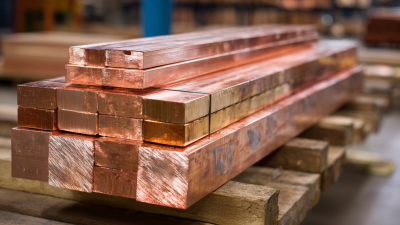
Heat sink plates play a crucial role in thermal management across various industries. These components dissipate heat generated by electronic devices, ensuring optimal performance and longevity. Understanding the materials used is essential. Aluminum is popular for its lightweight and ductility. Copper, although heavier, provides excellent thermal conductivity. The choice between these materials depends on specific application requirements.

Design aspects also matter. The surface area of a heat sink plate directly affects its efficiency. Fins and other structures can enhance heat dissipation. However, a poorly designed plate can lead to hotspots. A detailed analysis of airflow and mounting options is vital for achieving optimal results.

Many buyers might overlook manufacturing techniques. Processes like extrusion and machining significantly impact the performance of heat sinks. Each has its advantages and limitations. Evaluating these factors is critical to selecting the right heat sink plate. A lack of attention to detail here can result in inefficiencies. Thus, it’s essential to consider all aspects of heat sink design and manufacturing to make informed decisions.

Key Materials Used in Heat Sink Plate Manufacturing

Heat sink plates are critical components in managing thermal performance in electronics. Their manufacturing relies on various materials, each offering distinct advantages. Aluminum is a popular choice due to its excellent thermal conductivity and lightweight nature. Research shows aluminum can dissipate heat effectively, making it suitable for many applications. Copper, though heavier and more expensive, delivers superior thermal performance. Its ability to conduct heat up to four times better than aluminum makes it ideal for high-performance systems.

Consider using hybrid materials designed for specific needs. These composites can optimize weight and performance. Studies indicate that materials like graphite and ceramic are emerging in high-tech applications. They combine lightweight properties with effective thermal management. Evaluating the trade-offs will help in selecting the right material.

When choosing a heat sink plate, prioritize your specific application. For example, microelectronics may benefit from thinner plates. Efficiency can often be improved by refining the surface area. Increasing the contact area enhances heat transfer, which leads to prolonged device life. Testing different designs can reveal unexpected benefits.

Common Heat Sink Plate Designs and Their Applications

Heat sink plates are essential in many industries for thermal management. Several designs cater to different needs. The most common types include extruded, stamped, and machined heat sinks. Extruded heat sinks are popular due to their efficiency and low cost. They are mainly used in computers and consumer electronics. Stamped heat sinks, on the other hand, are used in high-volume applications. Their design allows for quick mass production, making them economical.

Machined heat sinks offer high precision and can be tailored to specific applications. They are often used in sophisticated electronics, such as automotive and defense systems. Each design has its advantages and complexities. Choosing the appropriate heat sink plate depends heavily on your application's requirements. Issues can arise if the wrong type is used, leading to inefficient cooling and potential component failure.

When selecting a heat sink, consider the thermal conductivity of the material. Aluminum is widely used due to its balance of weight and performance. Copper provides superior thermal conductivity but is heavier and more expensive. Assessing the design and material can drastically impact performance. It's crucial to have the right specifications for your application. Test different designs to evaluate their effectiveness in your situation.

Factors to Consider When Choosing Heat Sink Plates

When selecting heat sink plates, several critical factors should guide your decision. Material type is paramount. Aluminum and copper are the most common choices in the industry. Aluminum is lightweight and cost-effective, making it a popular option. Conversely, copper offers superior thermal conductivity, but it comes at a higher price and weight. According to a report by Research and Markets, the heat sink market is projected to reach $7.4 billion by 2026. This growth highlights the increasing importance of selecting the right material for optimal performance.

The design and thickness of the heat sink plate play significant roles too. Fins can enhance the surface area, improving heat dissipation. A report from MarketsandMarkets indicates that the efficiency of heat dissipation can increase by up to 20% with proper fin design. However, more complex designs may require advanced manufacturing techniques, which can be costly and introduce variability in quality. Buyers must weigh the advantages against potential drawbacks such as higher manufacturing costs.

Cooling efficiency is another essential aspect. Thermal interface materials (TIM) between the heat sink and components can drastically affect performance. Research indicates that proper TIM usage can enhance thermal conductivity by over 30%. However, not all TIM are created equal; selecting a low-quality product may lead to failure in heat management. Users need to perform due diligence to ensure they are making informed choices that enhance reliability and performance.

What Are the Best Heat Sink Plate Options for Global Buyers?

Material Thermal Conductivity (W/m·K) Weight (g) Cost (USD per kg) Common Applications
Aluminum 205 150 3.00 Computing, LED Lighting
Copper 400 200 8.00 High-Performance Computing
Graphite 150 100 10.00 Aerospace, Electronics
Stainless Steel 15 250 4.50 Food Industry, Marine Applications
Ceramic 30 80 12.00 Electronics, High-Temperature Applications

Top Global Suppliers of Heat Sink Plates

When exploring heat sink plates, understanding the market landscape is crucial. Global suppliers offer various options that cater to different cooling needs. In many regions, the focus is on aluminum heat sinks due to their excellent thermal conductivity and lightweight nature. Companies must consider factors such as size, shape, and thermal performance. Simplifying the selection process can sometimes lead to missed opportunities for optimal solutions.

Another vital aspect is supplier reliability. Having a trusted partner ensures that the quality of heat sink plates meets industry standards. Transparency in manufacturing processes and material sourcing can enhance confidence. Additionally, suppliers with a robust local presence may provide quicker support for customers. Different climates or market conditions could also impact the choice of heat sinks. It is common to see variations in design preferences based on regional manufacturing practices.

Engaging with suppliers through detailed discussions can reveal hidden insights. Feedback loops and iterative design processes can help refine choices further. However, not all engagements yield immediate results. Patience is often needed to navigate the complexities of sourcing the right products. Recognizing that this area has room for improvement can guide buyers toward making informed and strategic decisions.

Innovative Technologies in Heat Sink Plate Development

Innovative technologies are transforming heat sink plate development. As electronic devices become more compact, effective heat dissipation is critical. New materials, like graphene and carbon nanotubes, show promise. They are lightweight and provide superior thermal conductivity compared to traditional metals.

Advanced manufacturing techniques also play a role. 3D printing allows for intricate designs that optimize airflow. This customization can enhance performance while reducing material waste. However, these technologies still face challenges. The cost of new materials can be high, and manufacturing processes may require specialized equipment.

Research is ongoing to address these issues. Combining different materials could lead to hybrid solutions. This approach may improve performance and lower costs over time. However, the path to widespread adoption requires careful consideration of reliability and efficiency. Buyers need to stay informed about the latest advancements to make effective choices.

Cost Considerations for Global Buyers of Heat Sink Plates

When considering heat sink plates, cost is a critical factor for global buyers. According to a recent market analysis, the average cost of aluminum heat sinks can range from $0.05 to $0.25 per square inch. However, premium materials like copper can significantly escalate costs, often reaching $0.50 to $1.00 per square inch. Buyers must weigh these costs against the performance benefits. Copper, for instance, offers superior thermal conductivity, ideal for high-performance applications, but may not be necessary for all scenarios.

Logistics can further complicate cost calculations. Shipping fees fluctuate based on weight and destination, impacting overall expenses. A report from the Global Supply Chain Association noted that logistics costs may account for up to 20% of the total price for heat sink plates. Additionally, understanding local tariffs is essential. Import duties can substantially increase costs, especially in regions with strict trade regulations. Buyers should conduct a comprehensive cost analysis that includes production, shipping, and possible tariffs to ensure a well-informed purchasing decision.

Material availability also plays a role in pricing. A 2023 study indicated that the surge in demand for electronics has strained aluminum supplies, leading to price increases of 10-15% in some markets. Buyers may find themselves in a bidding war for quality materials. The evolving landscape of materials science suggests that innovative alternatives may emerge. However, many options remain untested, creating uncertainty. Buyers need to stay informed about industry trends and pricing fluctuations to navigate this dynamic environment effectively.

Best Heat Sink Plate Options for Global Buyers

This chart displays the cost considerations for various types of heat sink plates that global buyers might consider. The costs are represented in USD, with three popular materials compared.

FAQS

: What are the common types of heat sink plates?

: Common types include extruded, stamped, and machined heat sinks. Each serves different applications.

Why are extruded heat sinks popular?

They are efficient and low-cost, making them ideal for computers and consumer electronics.

What is a downside of stamped heat sinks?

While economical, their mass production may compromise precision and quality.

How does material choice affect heat sink performance?

Aluminum is lightweight and affordable, while copper provides better conductivity but is heavier and pricier.

What impact does fin design have on cooling?

Proper fin design can enhance cooling efficiency by up to 20%, but complexity may raise manufacturing costs.

How can thermal interface materials (TIM) influence heat management?

Good TIM can improve thermal conductivity significantly, but low-quality options may lead to failure.

What costs should buyers consider when choosing heat sinks?

Factor in production, shipping, local tariffs, and material availability to make informed decisions.

How do logistics affect heat sink pricing?

Fluctuating shipping fees can add up to 20% to the total price, impacting overall expenses.

What challenges are there in sourcing materials?

Increased demand for electronics may cause competition for aluminum, leading to price hikes.

Why is it important to stay informed about industry trends?

Understanding pricing fluctuations and new materials helps buyers navigate a dynamic marketplace effectively.

Conclusion

This article provides a comprehensive overview of heat sink plates, essential components in thermal management systems. It begins by explaining the fundamental principles of heat sink plates, followed by a discussion of the key materials commonly used in their manufacturing, including aluminum and copper. The article highlights various designs of heat sink plates tailored for distinct applications, such as electronics cooling and automotive use.

Furthermore, it outlines critical factors to consider when selecting heat sink plates, such as thermal performance, airflow characteristics, and physical dimensions. The guide also reviews leading global suppliers and delves into innovative technologies shaping the future of heat sink plate development. Finally, it touches on cost considerations for buyers, emphasizing the importance of balancing quality and affordability when procuring these vital components.

Blog Tags:

Emily

Emily

Emily is a dedicated marketing professional at Sichuan D&F Electric Co., Ltd., a reputable manufacturer and supplier specializing in electrical connection components and electrical insulation structural parts. Based in the vibrant Jinshan industrial park of Deyang, Sichuan, Emily leverages her......
Previous China Best Copper Braid Flexible Busbar Supplier for Global Buyers?