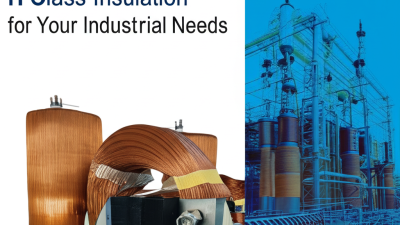
When it comes to industrial setups, picking the right materials can really make a huge difference. Take High Temperature Insulation Boards, for example—they're built to handle seriously tough conditions while doing a great job at managing heat. I remember John Smith over at Insulation Technologies mentioning that ‘High Temperature Insulation Boards are pretty much essential for boosting energy efficiency, especially in high-stress environments.’ They’re pretty impressive—they last long, perform well, and help cut down on heat loss, which also boosts safety. But here’s the thing: not all high-temperature insulations are created equal. The process of choosing the right one can sometimes feel a bit overwhelming because there are so many specs and quality factors to consider. Making a bad choice could end up costing a lot more in the long run.
Now, when you're selecting a High Temperature Insulation Board, it’s really all about matching it to your specific project needs. You’ve gotta look at the environment and what kind of application it’s for. Sure, these boards are fantastic at resisting heat, but they can also be pretty pricey. Striking a good balance between performance and your budget is key. Honestly, don’t underestimate getting some expert advice along the way—it can save you a headache later on. In the end, taking the time to evaluate all these factors will definitely pay off.

Benefits of Using High Temperature Insulation Boards in Construction
High temperature insulation boards are essential in construction projects where heat resistance is crucial. These boards can withstand extreme temperatures, making them ideal for industrial applications, furnaces, and even certain residential settings. Using these materials can enhance energy efficiency and reduce heat loss. For buildings near high-heat sources, they offer durable protection.
Incorporating high temperature insulation boards can lead to significant cost savings in the long run. Insulation helps to maintain temperature, reducing the need for additional heating or cooling. However, it’s important to consider installation challenges. Incorrect installation can compromise their effectiveness. A careful evaluation of the construction environment is necessary.
Moreover, high temperature insulation boards also offer soundproofing benefits. They help to absorb sound, creating quieter spaces. This can be particularly valuable in urban settings or near industrial zones. The durability of these boards means they require fewer replacements, but they may initially come at a higher cost. Balancing initial investment with long-term benefits can be tricky but ultimately rewarding.
Understanding High Temperature Insulation Materials and Their Properties
High temperature insulation materials are crucial for various industrial applications. They withstand extreme environments, typically over 1000°F (538°C). These materials play a significant role in energy efficiency and safety.
Ceramic fiber boards are notable for their low thermal conductivity. Reports indicate their thermal conductivity can be as low as 0.08 BTU-in/hr.ft². Additionally, they have a high melting point, often exceeding 2000°F (1093°C). This makes them suitable for furnaces and kilns. Despite their excellent properties, there’s a downside to consider. They tend to be more brittle than other insulation types. This fragility can lead to issues during installation.
Another common option is mineral wool. It offers good fire resistance and sound absorption. However, its insulation value may not match that of ceramic fibers in high-temperature scenarios. Data shows that mineral wool can lose performance in prolonged exposure to heat. This aspect often goes unnoticed, yet it can impact overall project efficiency. Choosing the right material is not always straightforward. Each application requires careful evaluation of these properties.
Why Choose High Temperature Insulation Board for Your Project?
| Material |
Max Temperature (°C) |
Thermal Conductivity (W/m·K) |
Density (kg/m³) |
Applications |
| Calcium Silicate |
1000 |
0.045 |
270 |
Industrial ovens, pipe insulation |
| Mineral Wool |
800 |
0.040 |
200 |
Fireproofing, acoustic insulation |
| Ceramic Fiber |
1260 |
0.030 |
100 |
Kilns, furnaces |
| Rigid Foam |
120 |
0.025 |
30 |
HVAC systems, refrigeration |
| Phenolic Foam |
110 |
0.020 |
40 |
Thermal insulation in buildings |
Applications of High Temperature Insulation Boards in Various Industries
High temperature insulation boards are critical across multiple industries. They excel in various applications, from aerospace to manufacturing. In aerospace, these boards protect components from extreme heat. This ensures optimal performance and safety. In manufacturing, they are used in kilns and furnaces. Their thermal resistance helps maintain efficiency during high-temperature processes.
Healthcare facilities also benefit from high temperature insulation boards. They are used in sterilizers, where proper insulation is vital for safety and functionality. Additionally, the automotive industry incorporates these boards in exhaust systems. They help manage heat and improve vehicle performance.
**Tip:** Always consider the specific temperature range needed for your project.
Some industries may struggle with choosing the right material for insulation. It can lead to inefficient energy usage and increased costs. It’s crucial to assess each project’s thermal requirements carefully.
**Tip:** Test different materials to find the best fit.
Remember, not all insulation boards are created equal. Some may not perform well under consistent high temperatures. This could cause issues down the line. Choosing the right product is essential for long-term success in any project.
**Tip:** Consult industry experts if you’re unsure of your choices.
Applications of High Temperature Insulation Boards in Various Industries
Comparative Analysis: High Temperature vs. Traditional Insulation Solutions
When comparing high temperature insulation boards to traditional insulation solutions, the differences are striking. High temperature boards can withstand sustained temperatures exceeding 1200°F, while regular options typically falter around 500°F. This significant temperature tolerance makes them ideal for industries where heat exposure is common. According to a report from the National Institute of Standards and Technology, high temperature materials can save businesses up to 30% on energy costs in extreme environments.
Another important factor is moisture resistance. High temperature insulation boards maintain their integrity and performance under humid conditions, unlike traditional insulation which may degrade. A study by the International Energy Agency found that moisture-related damage can increase energy loss by up to 25% in poorly insulated systems. This highlights the importance of choosing the right insulation material for durability and efficiency.
However, high temperature boards can be more challenging to handle. Their rigidity requires experienced personnel for installation. Additionally, the upfront cost tends to be higher compared to traditional options. Yet, the long-term savings and efficiency gains often justify the investment. Not all projects can accommodate these boards seamlessly. Careful evaluation is crucial before making a decision.
Installation Considerations for High Temperature Insulation Boards
When considering installation of high-temperature insulation boards, several factors come into play. The thickness of the insulation is crucial. Insulation boards can range from 1 inch to several inches thick. The right thickness depends on the application and operating temperature. For example, in industrial settings with temperatures exceeding 1,200°F, thicker insulation is generally required. Be mindful of balancing cost and thermal efficiency.
The installation environment also matters. Ensure that the surface to which the boards are applied is clean and dry. Moisture can significantly reduce insulation effectiveness. A study from the Thermal Insulation Institute indicates that moisture can lower insulation performance by as much as 30%. Proper sealing techniques can prevent moisture intrusion during installation, which is often overlooked.
Additionally, consider the potential for mechanical stress on the insulation boards. High temperatures can cause thermal expansion, leading to cracks or even failure if not properly installed. Using brackets or fastening systems can help mitigate this risk. It's essential to double-check for any gaps or inadequately sealed areas during the installation process. This careful attention can save costs related to future repairs or replacements.
Cost-Effectiveness of High Temperature Insulation Boards in Projects
High temperature insulation boards offer significant cost advantages for many projects. According to industry reports, these boards can reduce energy costs by up to 30% when used in industrial settings. This efficiency translates directly to lower operational expenses. Sustainable materials used in high temperature insulation boards contribute to long-term savings. Buying quality insulation may seem pricey upfront, but it pays off.
Consider the lifespan of these boards. They often last longer than traditional insulation types, which means fewer replacements. Some data suggests they can last up to three times longer. This durability is crucial for large projects. It minimizes waste and lowers disposal fees. You also save time on installation and maintenance, allowing teams to focus on other critical tasks.
Tips: Always assess the thermal conductivity ratings of insulation boards. Higher ratings mean better performance. Analyze your specific project needs. Custom-fit materials may enhance efficiency, saving more money. Remember, investing in quality isn’t just to adhere to standards—it’s about solid, measurable returns down the line. Reflect on your past projects. Did you prioritize cost over quality? The outcome might tell you about your approach to insulation choices.
Environmental Impact and Sustainability of High Temperature Insulation Use
High-temperature insulation boards play a vital role in reducing energy loss. Their ability to withstand extreme temperatures makes them ideal for various applications. Additionally, these boards can significantly lower greenhouse gas emissions. By enhancing energy efficiency, they contribute to a greener environment.
The sustainability of high-temperature insulation is crucial. Many of these materials are recyclable and produced with eco-friendly processes. This helps minimize waste and lowers the impact on natural resources. However, sourcing materials responsibly can be challenging. Some production methods still rely on non-renewable resources. This reality raises important questions about long-term sustainability.
Using high-temperature insulation also presents some trade-offs. While they offer excellent thermal performance, the initial costs can be high. It’s essential to weigh immediate expenses against future savings. Reflecting on the balance between cost and eco-friendliness is necessary for project planning. Ultimately, the choice of insulation should align with both environmental goals and budget considerations.
Conclusion
High Temperature Insulation Boards are increasingly recognized for their advantages in construction and industrial applications. Their unique properties ensure optimal thermal resistance, making them ideal for environments exposed to extreme temperatures. These boards not only outperform traditional insulation materials in terms of durability and efficiency but also prove to be cost-effective solutions for various projects.
Moreover, the versatility of High Temperature Insulation Boards allows for their application across many industries, enhancing energy efficiency and promoting sustainability. Their installation considerations ensure that they can be effectively implemented in processes requiring temperature control, while their environmental impact is minimal compared to conventional insulation. This combination of performance, economic benefits, and ecological responsibility makes High Temperature Insulation Boards a compelling choice for modern construction projects.