• facebook
  • sns04
  • twitter
  • linkedin
Call Us:+86-13568272752
0%

In today's fast-changing world of electrical stuff, choosing the right busbar can really make a difference in how well things perform. Lately, 'Low ESL Busbar' has become a popular pick for a bunch of different applications. Industry pro Dr. Sarah Thompson from Efficient Power Solutions points out, "Low ESL Busbars help cut down energy loss pretty effectively." This kind of tech isn’t just cool — it actually boosts efficiency, which is super important in modern electrical setups.

Electricity’s always moving around, and the push to be more efficient doesn’t seem to slow down anytime soon. Low ESL Busbars are great because they cut down electromagnetic interference and keep signals clearer. For engineers, that basically means more reliable designs and fewer surprises or failures down the line. But here’s the thing — choosing the right materials and setups isn’t always straightforward. Not every application will get the same benefit from low ESL options, so you’ve gotta ask yourself if it’s a good fit.

Of course, there are a few things to keep in mind. Switching over to Low ESL Busbars might mean tweaking your current designs a bit. It’s definitely important to carefully review what you actually need before jumping in. The industry is always working on better ways to use this tech and make sure it’s sustainable too. So, embracing low ESL isn’t just about upgrading things — it’s about making smarter, more informed choices overall.

Why Choose Low Esl Busbar for Your Electrical Applications?

Understanding Low Esl Busbars and Their Functionality

Why Choose Low Esl Busbar for Your Electrical Applications?

Low ESL busbars are gaining attention in modern electrical applications. Their low equivalent series inductance (ESL) makes them unique. This characteristic significantly reduces voltage drop issues. It also minimizes power loss, making them efficient in energy transfer. Thus, engineers and designers are increasingly considering this option.

These busbars are particularly effective in high-frequency applications. They aid in reducing electromagnetic interference, which can be problematic. Low ESL busbars also support high current capabilities, making them versatile. Their design allows for effective heat dissipation. However, one should consider installation challenges. Proper mounting and connections are crucial to maximize their benefits.

Choosing low ESL busbars can positively impact system performance. They enhance the reliability of power distribution while reducing energy waste. Yet, their cost can be higher than traditional options. Evaluating specific application needs is important before making a decision. Balancing performance and budget can be tricky, but the advantages are often worth the effort.

Key Advantages of Low Esl Busbars in Electrical Systems

Low ESL (Equivalent Series Inductance) busbars are becoming essential in modern electrical systems. They enhance efficiency significantly. Recent studies indicate that low ESL designs can reduce power loss by up to 30%. This is crucial in high-frequency applications. Power electronics require optimized components. Low ESL busbars meet this demand effectively.

One key advantage is thermal performance. Low ESL busbars generate less heat during operation. This characteristic helps maintain optimal operating conditions. A report by the Institute of Electrical and Electronics Engineers (IEEE) highlights that systems using low ESL busbars experience fewer thermal-related failures. This increases reliability in critical applications, such as renewable energy systems.

Another aspect is weight reduction. Traditional busbars can be heavy and cumbersome. Low ESL busbars use advanced materials, making them lighter and easier to install. This can potentially reduce shipping costs. However, manufacturers sometimes overlook the importance of integration. Effective designs must also account for layout and connection methods. Without proper attention, even the best components may not perform well. It’s a balance that requires careful planning and engineering.

Why Choose Low Esl Busbar for Your Electrical Applications?

Key Advantage Description Impact on Performance
Reduced Electrical Losses Low ESL busbars minimize stray inductance, leading to reduced power losses during operation. Enhances overall efficiency of electrical systems.
Improved Thermal Performance The design of low ESL busbars allows for better heat dissipation, keeping components cooler. Increases the lifespan of electrical components.
Compact Design Low ESL busbars are generally more compact, allowing for space-saving designs in equipment. Enables smaller enclosures and reduces material costs.
Higher Current Capacity Designed to handle higher currents without overheating. Improves reliability and reduces risk of failure.
Enhanced Signal Integrity Low ESL characteristics support better signal transmission with less distortion. Crucial for applications in high-speed electronics.

Comparative Analysis: Low Esl vs. Traditional Busbars

Low ESL (Equivalent Series Inductance) busbars have gained popularity in electrical applications. They are designed to minimize energy losses. This makes them suitable for high-performance systems. Traditional busbars often suffer from higher inductance and resistance. This can lead to wasted energy and heat generation.

When comparing low ESL and traditional busbars, the differences emerge. Low ESL busbars offer enhanced performance. They can improve the efficiency of power transmission. These busbars ensure that energy travels with less interference. However, they are often more complex and may require specialized installation. Traditional busbars are simpler but can result in reduced efficiency over time. This disparity raises important questions about long-term operational costs.

In practical terms, choosing low ESL busbars often depends on specific needs. In high-frequency applications, the benefits are clear. Yet, for simpler setups, traditional options may suffice. It's essential to weigh the pros and cons carefully. Consider the environment and the nature of the project. Each choice has its own advantages and challenges.

Applications of Low Esl Busbars in Modern Electrical Infrastructure

Low ESL busbars are increasingly utilized in modern electrical infrastructure. They provide excellent performance in various applications. These busbars are essential in power distribution systems, reducing energy loss. In commercial buildings, they enhance the overall efficiency. Their low equivalent series inductance (ESL) leads to better current handling.

Data centers benefit greatly from low ESL busbars. They support high-speed data transfers. The surge in digital consumption heightens the demand for reliable power. These busbars help maintain system stability. However, cost is a concern. Investing in high-quality busbars can be expensive.

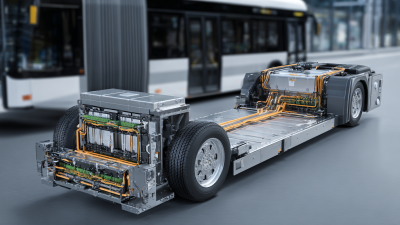
Electric vehicles also rely on low ESL busbars. They optimize power flow for faster charging. In industrial settings, these busbars handle heavy loads efficiently. Yet, installation requires careful planning and expertise. Mistakes can lead to significant issues. It’s vital to assess both benefits and drawbacks.

Factors Influencing the Selection of Low Esl Busbars

When selecting low ESL busbars for electrical applications, several factors come into play. One primary consideration is their conductivity. Lower ESL busbars minimize energy losses. This is crucial for improving the efficiency of electrical systems. High performance often means reduced heat generation. This extends the lifespan of the components.

Another factor is the size and weight of the busbar. A compact design is essential for space-constrained installations. However, lighter materials can sometimes compromise strength. Think about the balance between durability and ease of installation. It's a challenge that requires careful evaluation.

Furthermore, environmental factors should not be overlooked. Low ESL busbars may be less susceptible to corrosion. Yet, exposure to extreme temperatures can affect their performance. Regular maintenance checks are needed to avoid issues. This might seem tedious, but it’s worth it in the long run. Adapting to specific application needs can be a trial-and-error process, but the results often justify the effort.

Maintenance and Longevity of Low Esl Busbars

Low ESL busbars play a crucial role in electrical systems. Their low equivalent series inductance allows for efficient power transmission. This efficiency leads to reduced energy loss and better performance. Additionally, they help in minimizing heating, which is often a concern in high-power applications.

Maintenance of low ESL busbars is essential for longevity. Regular inspections can identify potential issues, such as corrosion or loose connections. While the design is robust, external factors can still impact performance. For example, dust accumulation or moisture can lead to unexpected failures. Addressing these factors proactively is important for sustained functionality.

Longevity also relies on the installation environment. Busbars need to be shielded from extreme temperatures and physical damage. However, even with preventive measures, unexpected wear can occur. It’s crucial to evaluate their condition regularly. Simple actions like cleaning and tightening connections can significantly extend their lifespan. Recognizing the need for maintenance is a key aspect of effective electrical management.

Future Trends in Low Esl Busbar Technology and Usage

Why Choose Low Esl Busbar for Your Electrical Applications?

Low ESL busbars are gaining traction in electrical applications. This technology reduces energy loss during transmission. According to industry reports, ESL values have dropped significantly in recent years, enhancing efficiency by up to 30%. However, not every manufacturer provides the same quality. It's essential to choose wisely.

Future trends show a push towards integration with renewable energy sources. As more renewable projects emerge, low ESL busbars will play a crucial role. They can handle higher currents with minimal resistance. Still, certain designs lack robustness under extreme conditions. This vulnerability is a concern for engineers.

Research indicates the demand for advanced materials. These materials improve the thermal and electrical performance of busbars. Yet, the environmental impact is often overlooked. As the industry evolves, a balance must be struck between innovation and sustainability. This dialogue is critical for the successful adoption of low ESL busbars.

The Impact of SMC Molded Insulation Sheets on Energy Efficiency in Industrial Applications: A Data-Driven Analysis

The integration of SMC molded insulation sheets, such as the D370 variety, is becoming increasingly vital in enhancing energy efficiency within industrial applications. These insulation sheets, constructed from a thermosetting rigid material, are engineered through a meticulous process involving high temperature and pressure molding. The unique composition of SMC includes glass fiber reinforced with unsaturated polyester resin, making it a robust solution for energy conservation in various industrial settings.

One of the distinguishing features of SMC insulation sheets is their fire-retardant properties coupled with effective thermal resistance, which can significantly reduce energy consumption in operational environments. Their UL certification and compliance with environmental standards, such as REACH and RoHS, further affirm their reliability and safety in use. By employing such advanced materials, industries can not only meet regulatory requirements but also optimize their energy usage, ultimately leading to reduced operational costs and a smaller carbon footprint. As industries increasingly prioritize sustainability, the role of SMC molded insulation sheets becomes critical in driving energy-efficient practices.

FAQS

: What are the main factors to consider when selecting low ESL busbars?

: Key factors include conductivity, size, weight, and environmental conditions.

Why is conductivity important for low ESL busbars?

High conductivity minimizes energy losses, improving electrical system efficiency.

How does the size of a busbar affect its performance?

A compact design is vital for space-constrained applications but may impact strength.

What environmental factors should be considered?

Low ESL busbars resist corrosion but may be affected by extreme temperatures.

What maintenance is necessary for low ESL busbars?

Regular checks are needed to avoid performance issues, which may seem tedious.

How are low ESL busbars evolving with renewable energy?

They are crucial for handling higher currents with reduced resistance in renewable projects.

What materials are being researched for busbar improvements?

Advanced materials enhance thermal and electrical performance but may have environmental impacts.

Why is it important to choose manufacturers wisely?

Not all manufacturers provide the same quality. This can affect performance and reliability.

What is a common challenge with low ESL busbars?

Finding a balance between durability and ease of installation is often challenging.

What should the industry focus on for future developments?

Balancing innovation and sustainability is critical for the adoption of low ESL busbars.

Conclusion

Low Esl Busbars are becoming increasingly essential in modern electrical applications due to their enhanced functionality and efficiency. These busbars exhibit lower equivalent series inductance (ESL) compared to traditional options, providing significant advantages in terms of reduced energy loss and improved performance in high-frequency applications. Their unique structure minimizes electromagnetic interference, which is crucial for sensitive electronic systems.

In addition to their superior performance characteristics, Low Esl Busbars offer longevity and reduced maintenance requirements, making them an ideal choice for today’s electrical infrastructure. As technology advances, the applications and adoption of Low Esl Busbars are expected to expand, driven by the growing demand for more efficient and reliable electrical systems. Factors such as installation environment, thermal management, and system design play a vital role in their selection, ensuring that these innovative solutions meet the evolving needs of the industry.

Ethan

Ethan

Ethan is a dedicated marketing professional at Sichuan D&F Electric Co., Ltd., a reputable manufacturer and supplier established in 2005. Located in the vibrant Jinshan Industrial Park of Deyang, Sichuan, D&F specializes in providing high-quality electrical connection components and electrical......
Previous Exploring the Unique Properties and Applications of Best Nomex T410 Film: A Comprehensive Guide for Buyers