• facebook
  • sns04
  • twitter
  • linkedin
Call Us:+86-13568272752
0%

Picking the right Inverter Busbar for your setup can actually get pretty tricky sometimes. With so many options out there, it’s really important to get a handle on what each one offers. Basically, the Inverter Busbar is the connection point that links all the different parts of your electrical system together. And trust me, the quality of this part can make a big difference in how efficient everything runs.

When you're choosing an Inverter Busbar, take a step back and think about what you actually need. Things like the amperage rating and the material it’s made from matter way more than you might think. Metals like copper and aluminum are quite different, and picking the wrong one can cause your system to underperform. Even trusted brands aren’t always foolproof — sometimes they mess up too.

It’s also worth putting some real thought into your choice. Take accurate measurements of what your system requires. It’s easy to overlook small details, but those tiny things can cause big problems down the line if they don’t match up. No need to rush — go slow and consider all your options to make sure everything’s set up for top-notch performance from the get-go.

2026 How to Choose the Right Inverter Busbar for Your Needs?

Understanding Inverter Busbars: An Overview of Their Functionality

Inverter busbars are essential for efficient power distribution. These components conduct electricity between different parts of a system. They ensure that power is transferred smoothly, minimizing losses. Inverters convert DC power to AC power, and busbars play a crucial role in this process. They connect the inverter to batteries and other electrical systems.

Choosing the right inverter busbar requires understanding various factors. The material, size, and layout are vital. Copper and aluminum are popular choices. They offer excellent conductivity. The physical dimensions must match your system’s specifications. A well-designed busbar can improve efficiency. However, poor choices can lead to overheating and failures. Always consider the application and load requirements.

While busbars seem straightforward, their selection involves complexity. Do not overlook any detail in your calculations. Even small errors can cause significant issues later. Think critically about your needs and review your options carefully. Balancing performance and cost is a challenge. Being thoughtful in your selection process can yield better results in the long run.

Understanding Inverter Busbars: An Overview of Their Functionality

Types of Inverter Busbars: A Comparative Analysis

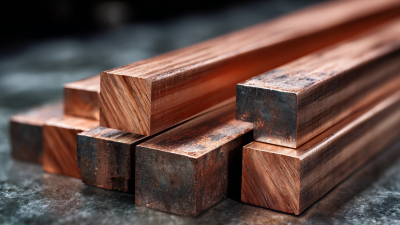
When choosing an inverter busbar, understanding the types available is crucial. There are generally three main types: copper, aluminum, and composite busbars. Copper busbars are highly conductive and can handle high currents. They offer efficiency but come with a higher price tag. Aluminum busbars are lighter and more cost-effective but have lower conductivity. Composite busbars combine materials, offering unique benefits, but their performance can vary.

Data from a recent industry report highlights that copper busbars have a conductivity of around 97% IACS, whereas aluminum is about 61% IACS. This discrepancy is vital for high-capacity installations. Additionally, the Global Busbar Market Report suggests that the demand for copper busbars will increase by 10% annually, reflecting ongoing shifts in technology and regulations.

One area to consider is thermal performance. Busbars generate heat during operation, and the material choice can influence cooling efficiency. For instance, aluminum may require more careful installation to ensure proper heat dissipation. There is a risk of overlooking this aspect, leading to potential overheating issues. Thus, balancing cost with performance requirements is fundamental, and not always easy.

Key Specifications to Consider When Choosing a Busbar

When selecting an inverter busbar, key specifications play a crucial role. One fundamental aspect is current rating. Reports indicate that a busbar must handle peaks without overheating. A busbar with a higher current rating ensures reliability, especially in high-demand applications. For instance, a common rating is 1000A, but some systems require 2000A or more.

Conductivity is another essential factor. Copper and aluminum are prevalent materials used for busbars. Copper generally offers better conductivity, but it is heavier and more expensive. Some applications may benefit from aluminum, which is lighter and more cost-effective, despite having lower conductivity. The decision often hinges on the specific design requirements.

Thermal performance can't be overlooked. Busbars dissipate heat during operation. A design that minimizes hot spots is essential. Some designs have heat sinks or ventilation to aid cooling. Overheating can lead to failures and unsafe conditions. Drawings and simulations from industry standards can guide the selection process but they may not account for all real-world scenarios. Operators should evaluate their unique environments and potential challenges.

Assessing Load Requirements: Calculating Current and Voltage Needs

2026 How to Choose the Right Inverter Busbar for Your Needs?

Choosing the right inverter busbar requires careful evaluation. Start with assessing your load requirements. Calculate the total current your application will draw. This influences the busbar size and type. Additionally, consider the voltage needs. A mismatch can lead to inefficiencies and safety risks.

Document the specifics of your equipment. Look at peak demands, as well as average loads. It's easy to overlook fluctuating conditions. This oversight can lead to problems down the line. Inverters can only perform as well as the components surrounding them.

Make sure you understand the environment. Harsh conditions can affect durability. Are you operating in a hot climate? That could impact your choice. If in doubt, consult with experts for clarity. It’s better to ask questions than to face costly mistakes later.

Material Choices: Copper vs. Aluminum for Inverter Busbars

When choosing the right inverter busbar, material selection is critical. The two most common options are copper and aluminum. Copper is favored for its superior conductivity. It has a conductivity rating of about 59 S/m, making it an excellent choice for high-efficiency applications. In contrast, aluminum offers decent conductivity, around 37 S/m, yet comes at a lower cost. This difference impacts overall system performance and efficiency.

Tip: Evaluate your project's budget and specific energy demands before making a decision. Copper might be more efficient, but aluminum can save costs in large-scale deployments. Consider potential trade-offs.

Both materials also differ in weight and physical properties. Copper is denser, making it more durable. However, its weight can complicate installation. Aluminum is lighter but may require additional reinforcements for structural support. In some setups, this can lead to increased labor costs or installation time.

Tip: Always assess the installation environment. Will the busbar be exposed to high temperatures? Certain materials react differently under stress. Balancing performance with practical concerns requires careful thought. Consider consulting with experts in the industry for tailored advice.

Installation and Maintenance Guidelines for Optimal Performance

2026 How to Choose the Right Inverter Busbar for Your Needs?

When it comes to inverter busbars, proper installation is crucial. The Institute of Electrical and Electronics Engineers (IEEE) highlights that poor installation can lead to efficiency losses of up to 15%. To combat this, always ensure a clean connection. Dust and moisture can compromise performance and safety. Regular checks should be part of your routine maintenance.

Next, consider the thermal management of your installations. According to a report by the International Electrotechnical Commission (IEC), effective thermal management can enhance reliability by up to 20%. Use thermal pads or insulators as needed. Regularly monitoring temperatures helps in identifying potential failures early. Ignoring these might lead to overheating, which can damage your systems.

Lastly, develop a proactive maintenance schedule. Data from the National Renewable Energy Laboratory indicates that consistent maintenance can extend the lifespan of equipment by 30%. Inspect busbars for wear, ensure tight connections, and replace any damaged components promptly. Neglecting these aspects may cause unexpected outages or failures. Be mindful of changes in performance; they may signal deeper issues that warrant closer inspection.

Future Trends in Inverter Busbar Technology and Applications

The inverter busbar technology is rapidly evolving. With a growing demand for efficient energy systems, innovations are shaping future applications. Compact designs are gaining traction. These busbars save space and improve efficiency in renewable energy setups. Manufacturers are focusing on materials that enhance conductivity and durability.

Integration with smart grids is becoming essential. These busbars must support real-time data monitoring. This will help optimize performance and predict maintenance needs. Addressing thermal management is also crucial. Future designs may incorporate advanced cooling solutions to mitigate heat-related issues.

However, challenges persist. The transition to new materials can be costly. Not all designs will suit every application. Striking a balance between cost and performance is important. As technology progresses, reflections on past choices will guide future advancements. The road ahead invites thoughtful exploration and experimentation.

2026 How to Choose the Right Inverter Busbar for Your Needs?

Parameter Description Benefits Future Trends
Material Copper, Aluminum Lower resistance, Better conductivity Increasing use of lightweight materials
Size Various sizes available Customization for space efficiency Trends towards compact designs
Current Rating Ranges from low to high current Supports higher load applications Increased current ratings to meet demand
Insulation Type Different insulation options available Improved safety and performance Advancements in durable insulation materials
Connection Type Bolt-on, Plug-in Ease of installation and maintenance Innovation in modular connection designs

Innovative Applications and Benefits of DF350A Modified Diphenyl Ether Glass Cloth Rigid Laminated Sheets

The DF350A modified Diphenyl Ether Glass Cloth Rigid Laminated Sheets represent a significant advancement in the realm of electrical insulation materials. These sheets are specifically engineered from woven glass cloth impregnated with a modified diphenyl ether thermosetting resin, ensuring superior durability and performance under high temperatures and pressures. With a thermal classification of H class, these laminates can withstand operating temperatures up to 180°C, making them ideal for high-performance applications in industries such as aerospace, automotive, and electrical engineering.

One of the innovative applications of DF350A sheets lies in their use as insulation substrates in electric motors and generators. According to industry reports, approximately 30% of electrical failures in motors are attributed to insulation breakdown, which can be effectively mitigated by employing high-performance materials like DF350A. Furthermore, the alkali-free woven glass cloth treated with KH560 enhances the mechanical strength and thermal stability of the laminates, rendering them suitable for use in demanding environments often encountered in modern electronic devices.

The benefits of utilizing DF350A laminated sheets extend beyond mere insulation capabilities. Their inherent resistance to moisture, chemicals, and environmental factors makes them suitable for a wide range of applications in the manufacturing sectors, where reliability and longevity are critical. Recent studies highlight a growing trend of using advanced composite materials, coupled with high-performance laminates, leading to improved energy efficiency and reduced operational costs across various applications. As the demand for robust and efficient electrical insulation solutions continues to rise, DF350A modified Diphenyl Ether Glass Cloth Rigid Laminated Sheets stand out as a pioneering choice in the industry.

FAQS

: What is the importance of current rating in busbars?

: Current rating determines how much load a busbar can handle without overheating. Higher ratings ensure reliability in demanding applications.

Which materials are commonly used for busbars?

The most common materials are copper and aluminum. Copper has better conductivity, while aluminum is lighter and more cost-effective.

How does conductivity affect busbar performance?

Higher conductivity improves efficiency. Copper, with 59 S/m, performs better than aluminum's 37 S/m. Costs and energy needs influence material choice.

What are common challenges in thermal management of busbars?

Overheating can lead to failures. Proper design minimizes hot spots, while heat sinks or ventilation can enhance cooling.

Why is proper installation critical for busbars?

Poor installation can cause efficiency losses. Clean connections are essential. Dust and moisture could compromise safety and performance.

How can maintenance improve busbar lifespan?

Regular maintenance can extend equipment lifespan by 30%. Inspect for wear and ensure tight connections to avoid unexpected failures.

What should be monitored for effective thermal management?

Regular temperature checks are crucial. Ignoring temperature changes may lead to damaging overheating issues in the system.

How do weight differences between copper and aluminum impact installation?

Copper's density makes it durable but harder to install. Aluminum is lighter but may need more structural support, raising labor costs.

How can project budgets affect material selection?

Evaluating project budgets helps determine whether to use copper for efficiency or aluminum for cost-saving in large deployments.

What practical considerations should be made regarding busbar materials?

Assess the installation environment. High temperatures affect materials differently. Balancing performance and practicality requires careful consideration.

Conclusion

Inverter busbars play a crucial role in managing electrical connections for inverter systems, effectively distributing power from one component to another. Understanding their functionality is essential for anyone looking to optimize their systems. This article explores various types of inverter busbars, comparing their features and benefits, while also highlighting key specifications to consider based on specific load requirements, such as current and voltage.

The choice of material, typically copper or aluminum, significantly impacts performance and efficiency, making it important to weigh their pros and cons. Additionally, proper installation and maintenance guidelines are vital for ensuring optimal functioning. The article also delves into future trends in inverter busbar technology, shedding light on innovations that may influence applications and design in the coming years. By considering these factors, users can make informed decisions to select the right inverter busbar for their needs.

Blog Tags:

Emily

Emily

Emily is a dedicated marketing professional at Sichuan D&F Electric Co., Ltd., a reputable manufacturer and supplier specializing in electrical connection components and electrical insulation structural parts. Based in the vibrant Jinshan industrial park of Deyang, Sichuan, Emily leverages her......
Previous Exploring the Unique Properties and Applications of Best Nomex T410 Film: A Comprehensive Guide for Buyers