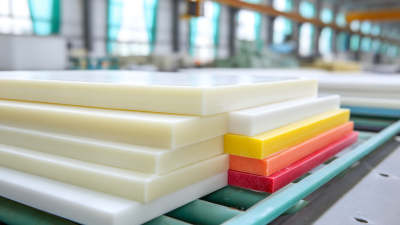
When you're working on high-performance projects, choosing the right materials really makes all the difference. You’ve probably heard a lot about 'Epoxy Glass Fiber Parts' – they’re kinda a go-to for engineers and designers these days. Dr. Emily Carter from Composite Innovations even mentions, "Picking the right epoxy composites can really boost your project's durability and performance." No joke.
Picking the right epoxy glass fiber components isn’t just a minor detail; it’s crucial across different industries. These materials are praised for their impressive strength without adding extra weight, plus they stand up pretty well in tough environments. But honestly, not all epoxy parts are created equal. You really need to understand what specifications fit your project best because if you pick the wrong ones, it can lead to costly setbacks and delays that you don’t want.
And here’s the thing—there’s a ton of sources out there claiming they’ve got the best options. But it’s super important to do your homework and check credibility before jumping in. The whole world of epoxy composites can get pretty complicated fast, with different qualities and features that aren’t always obvious at first glance. Take some time to really think about what your project needs; choosing cheap, low-quality components can end up undermining everything you’ve worked for, leading to frustration and inefficiency. Bottom line? Make smart, informed choices, and don’t settle for convenience over quality.”

Understanding the Basics of Epoxy Glass Fiber Materials in Projects
Epoxy glass fiber materials are increasingly popular in various projects due to their exceptional strength and lightweight properties. Understanding these materials is crucial for any engineer or designer. Reports indicate that the demand for epoxy glass fiber composites is expected to grow significantly, with a projected market size of $5.6 billion by 2026. This growth emphasizes their significance in
automotive, aerospace, and construction industries.
When selecting epoxy glass fiber parts, consider the epoxy resin system. Different resins offer varying degrees of heat resistance and chemical stability. A study by the Composite Materials Handbook shows that epoxy composites can withstand temperatures up to 120°C, ideal for many applications. Evaluating your project's specific requirements will enable you to choose the right type and quality of material.
Tips: Always analyze the mechanical properties you need. Strength, flexibility, and weight can differ across products. Additionally, consider the environment where the part will be used. Testing materials in real-world conditions can reveal unexpected weaknesses. Epoxy can be tricky; a poor mix or curing process may lead to failures that are hard to detect. Rely on trusted suppliers—consistency is key for reliable results.
Evaluating Performance Characteristics of Epoxy Glass Fiber Parts
When selecting epoxy glass fiber parts, evaluating performance characteristics is crucial. One key aspect is tensile strength. Research indicates that epoxy glass fiber composites can achieve tensile strengths exceeding 500 MPa. This robustness makes them suitable for applications ranging from automotive components to aerospace structures. However, not all fibers and resins perform alike.
Another important factor is thermal stability. Data shows that epoxy glass fiber parts can withstand temperatures up to 120°C without significant degradation. This property is valuable in high-heat environments. Yet, users must remain aware that prolonged exposure may lead to resin embrittlement, affecting lifespan.
Impact resistance is another performance characteristic worth considering. Epoxy glass fibers generally exhibit moderate impact resistance. Studies suggest that adding filler materials can enhance this trait, but this may alter other properties. It’s essential to strike the right balance. Evaluating these factors with thorough testing ensures parts meet project requirements reliably.
How to Choose Epoxy Glass Fiber Parts for Your Projects? - Evaluating Performance Characteristics of Epoxy Glass Fiber Parts
| Property |
Description |
Typical Values |
| Tensile Strength |
Maximum tensile load before failure. |
200-600 MPa |
| Flexural Modulus |
Stiffness of the material under bending. |
10-30 GPa |
| Thermal Stability |
Ability to maintain performance at elevated temperatures. |
Up to 120°C |
| Electrical Insulation |
Resistance to electrical conduction. |
> 10^14 Ω·cm |
| Impact Resistance |
Resistance to sudden force or shock. |
High |
| Weight |
Lightweight compared to metals. |
1.5-2 g/cm³ |
Key Factors in Selecting the Right Thickness of Glass Fiber Layer
When selecting the right thickness of glass fiber layer for your epoxy projects, consider its impact on strength and flexibility. Thicker layers generally provide greater strength. However, they can add weight, which might not be desirable in some applications. A careful balance is necessary.
Evaluate the specific requirements of your project. For structural components, a thicker layer may be essential. Thin layers are often enough for less load-bearing applications. Be mindful of curing times; thicker layers may require longer curing durations, leading to potential challenges.
Testing different thicknesses on small samples can offer insights. Observe how each variation affects the project’s performance. Understanding your material's behavior under stress is crucial. This approach can help refine your choices, shedding light on unforeseen issues. Keep in mind that each project may present unique demands, demanding a rethink of previously successful choices.
How to Choose Epoxy Glass Fiber Parts for Your Projects?
This chart illustrates the recommended thickness of glass fiber layers for different types of projects based on their specific requirements. The data reflects the optimal thickness in millimeters for various applications.
Assessing Temperature and Chemical Resistance of Epoxy Materials
When choosing epoxy glass fiber parts, assessing temperature and chemical resistance is crucial. Epoxy materials exhibit varying resistance levels, influencing their suitability for specific projects. High-temperature applications demand materials that can withstand heat without breaking down. For example, standard epoxy may soften beyond 250°F, while specialized formulations can endure higher temperatures.
Chemical exposure presents another challenge. Not all epoxies resist solvents, acids, or bases equally. If your project involves harsh chemicals, testing compatibility is vital. Some epoxies may fail or degrade when exposed, impacting structural integrity.
**Tips:** Always review technical data sheets before selection. Consider conducting small-scale tests under real usage conditions. Partnerships with experienced suppliers can also ensure reliable material recommendations. Reflection on previous projects may provide insights into the optimal choice for future needs.
The Role of Fiber Orientation in Mechanical Strength of Composites
Fiber orientation plays a crucial role in determining the mechanical strength of epoxy glass fiber composites. When arranging fibers, their direction can significantly impact the strength and rigidity of the finished product. Fibers aligned in the direction of the load can bear more stress than those oriented randomly. This property makes understanding fiber orientation essential for engineers and designers.
Different applications may require varying fiber orientations. For instance, components subject to tensile loads might benefit from unidirectional fibers. On the other hand, multidirectional fibers can offer strength in multiple directions, which is beneficial for parts experiencing complex stresses. However, achieving the optimal fiber orientation can be challenging. It requires a balance between manufacturing methods and desired mechanical properties. Any misalignment can lead to weaknesses that are hard to detect.
Additionally, the interaction between matrix material and fiber alignment influences overall performance. Poor adhesion between the resin and fibers can negate the advantages of optimized orientation. Designers often face difficult choices when selecting materials and configurations. Trials and tests are necessary to refine these aspects, but they can be time-consuming and costly. This reflection on fiber orientation highlights the importance of thorough analysis in creating robust epoxy glass fiber components.
Cost-Benefit Analysis of Epoxy Glass Fiber Parts for Different Applications
When considering epoxy glass fiber parts for various applications, a cost-benefit analysis can be revealing. According to a recent report by the Composites Manufacturing Association, the market for fiberglass composites is projected to reach $31 billion by 2027. This indicates a growing interest in cost-effective materials. Epoxy glass fiber parts are recognized for their strength-to-weight ratio and corrosion resistance, but the initial investment can be substantial.
For automotive applications, epoxy glass fiber parts reduce vehicle weight by up to 30%. This weight reduction leads to improved fuel efficiency. However, the premium cost of these materials often raises questions about their overall value. A typical epoxy glass fiber component could be 20-40% more expensive than traditional materials, which may deter small manufacturers from making the switch. The decision ultimately hinges on whether the long-term savings outweigh the upfront expenses.
In aerospace applications, the benefits of epoxy glass fiber are even more pronounced. The industry report states that these materials can lower maintenance costs by up to 50%. Yet, the high upfront costs require careful budgeting. Not every project will see the same return on investment. Evaluating the specific needs and operational context is crucial. The reliability of epoxy glass fiber parts often makes them a worthwhile consideration, but the investment risk remains a point of contention for many engineers and stakeholders.
Industry Standards and Certifications for Quality Assurance in Composites
When selecting epoxy glass fiber parts, understanding industry standards is crucial. Various sectors have established certification programs to ensure quality. These standards often focus on the durability and performance of composite materials.
Organizations like ASTM International and ISO provide guidelines. These guidelines cover everything from tensile strength to moisture resistance. Compliance with these standards can significantly impact the suitability of materials for specific applications. Craftsmen should be aware that non-compliance can lead to product failures or safety issues.
It's vital to check if the materials you plan to use are certified. Transparency in testing processes is important. Some manufacturers may overlook certain tests to cut costs. Always ask for documentation or certifications to verify quality. Reflecting on these aspects can save time and resources in your projects.
FAQS
: Tensile strength is crucial for determining the suitability of materials for various applications.
Yes, they can endure temperatures up to 120°C but may degrade with prolonged exposure.
Impact resistance is moderate. Adding fillers can enhance it but may compromise other properties.
Not all epoxy materials resist chemicals equally. Compatibility testing prevents structural integrity issues.
Fiber alignment directly impacts strength. Proper orientation can greatly enhance load-bearing capacity.
Misalignment can create weaknesses, and balancing manufacturing methods with required properties is tricky.
Reviewing technical data sheets and conducting small tests under real conditions are essential steps.
Overlooking temperature and chemical compatibility. Reflecting on past projects can help avoid these errors.
Poor adhesion can negate the benefits of a well-optimized fiber orientation, leading to reduced strength.
Yes, they can be time-consuming but are vital for refining material choices and configurations.
Conclusion
When selecting Epoxy Glass Fiber Parts for various projects, it is crucial to understand the fundamentals of these composite materials. Key performance characteristics, such as strength, durability, and resistance to temperature and chemicals, must be evaluated to ensure that the chosen parts meet the specific demands of a project. Additionally, the thickness of the glass fiber layer plays a significant role in the final strength and application suitability of the components.
Assessing fiber orientation is also vital, as it greatly influences the mechanical properties of the composites. Conducting a cost-benefit analysis can help in determining the economic feasibility of different epoxy glass fiber parts for various applications. Lastly, being aware of industry standards and certifications is essential in ensuring that the materials selected adhere to quality assurance protocols, thus enhancing project reliability and performance.