• facebook
  • sns04
  • twitter
  • linkedin
Call Us:+86-13568272752
0%

When you're designing an electrical system, choosing the right components is super important—it's really a big deal for how efficient and reliable the whole setup will be. One key part you'll definitely want to pay attention to is the bus bar, which basically helps spread power across different circuits smoothly. I came across a report from Research and Markets that says the global bus bar market is expected to grow quite a bit, reaching over $10 billion by 2026. That’s pretty impressive, and a lot of this growth is driven by the rising push for sustainable energy solutions and more widespread use of renewable systems.

Figuring out which bus bars to pick isn’t just a matter of grabbing whatever’s available. You really need to understand the specific electrical needs of your project. Things like how well the material conducts electricity, how it handles heat, and how strong it needs to be mechanically—those all matter. And, if you pick the wrong bus bar, it can lead to energy losses or overheating, which might cause bigger issues or even system failures. For example, the International Energy Agency pointed out that inefficiencies in electrical setups can make up to 8% of total energy use in industrial environments. That’s a lot!

So, bottom line: engineers and designers should really take a strategic approach here. Make sure the bus bars you choose match your performance needs, meet safety standards, and are environmentally friendly. This article is here to help you with some tips and guidelines on how to pick the right bus bars for your specific electrical system. Hope it makes the whole process a bit clearer and easier to navigate!

How to Choose the Right Bus Bars for Your Electrical System Needs

Understanding Bus Bars: Definition and Purpose in Electrical Systems

Bus bars are essential components in electrical systems, serving as conductive pathways that facilitate the distribution of electrical power. Defined as a metallic strip or bar, bus bars connect multiple circuits while enabling the efficient management of electrical loads. Their primary purpose is to reduce energy loss, increase system reliability, and simplify maintenance. According to a report by the International Electrotechnical Commission, the global bus bar market is projected to grow significantly, driven by the increasing demand for efficient energy management solutions across various industries.

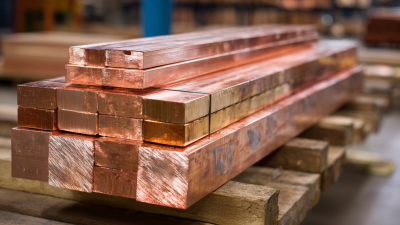
When selecting bus bars for your electrical system, consider the material composition, cross-sectional area, and thermal performance. Copper and aluminum are the most commonly used materials, with copper providing superior conductivity and aluminum offering a lighter alternative at a lower cost. It's crucial to assess the current and voltage ratings required for your specific application to ensure optimal performance and safety. In environments with high temperatures, it may be beneficial to opt for materials with enhanced thermal properties.

Tips: Always consult with an electrical engineer to determine the most suitable bus bar specifications for your system. Regular maintenance checks will help identify wear and tear, ensuring the longevity of your electrical infrastructure. Additionally, consider future expansion needs when designing your system to accommodate potential load increases without significant alterations.

Key Factors to Consider When Selecting Bus Bars for Your Application

When selecting bus bars for your electrical system, there are several key factors to consider to ensure optimal performance and reliability. First, the material composition of the bus bars is critical. According to industry reports, copper remains the most widely used material due to its excellent conductivity, with electrical resistivity values around 1.68 µΩ·m. However, aluminum bus bars are gaining popularity because they are lighter and more cost-effective, although they have a higher resistivity at approximately 2.82 µΩ·m. The choice between these materials should be informed by the specific electrical load requirements and environmental conditions of the application.

Another significant factor is the current-carrying capacity, which is influenced by the bus bar’s size and configuration. A study published in the Journal of Electrical Engineering indicates that properly sized bus bars can safely handle currents exceeding 5,000 A, with temperatures maintained under the limits set by the National Electrical Code (NEC). It's essential to calculate the expected load and consider factors like ambient temperature and cooling methods when selecting the dimensions of bus bars. Additionally, evaluating the installation environment—such as exposure to moisture, dust, or chemical contamination—will help determine the necessary protective coatings or finishes to prolong the lifespan and efficiency of the bus bars in your electrical system.

How to Choose the Right Bus Bars for Your Electrical System Needs

Parameter Importance Recommendation Typical Values
Material High Choose copper or aluminum Copper (98% conductivity), Aluminum (61% conductivity)
Current Rating High Select based on maximum load 10A to 1000A+
Temperature Rating Medium Consider ambient temperature conditions -40°C to +100°C
Bus Bar Size Medium Determine based on application space Thickness (3mm to 25mm), Width (10mm to 200mm)
Connection Type High Ensure compatibility with terminals Bolted, soldered, or clamped
Surface Treatment Medium Consider corrosion resistance Electroplated, anodized, or painted

Material Selection: Copper vs. Aluminum for Bus Bars Performance

When it comes to selecting bus bars for electrical systems, the choice of material significantly impacts performance. Copper and aluminum are the two primary materials used, each featuring distinct advantages and drawbacks. Copper, known for its excellent electrical conductivity, offers lower resistance, thereby enhancing efficiency and minimizing energy loss. Its durability and resistance to corrosion make it an ideal choice for high-performance applications, where reliability is crucial. However, the higher cost of copper can be a substantial factor in budget-sensitive projects.

On the other hand, aluminum presents a lightweight and cost-effective alternative. While its conductivity is lower than that of copper, modern engineering advancements, such as using thicker profiles or innovative designs, can enhance its performance to meet specific system demands. Aluminum is also less prone to thermal expansion issues, which can improve the overall stability of connections in varying environmental conditions. When making a decision, it's essential to evaluate the specific requirements of the electrical system, including current capacity, temperature ratings, and budget constraints, to determine which material will serve best in the intended application.

Evaluating Current Rating Requirements for Optimal Bus Bar Sizing

How to Choose the Right Bus Bars for Your Electrical System Needs

When selecting bus bars for your electrical system, one of the most critical factors to consider is the current rating requirements. A properly sized bus bar must be capable of carrying the load current without overheating, which can lead to equipment failure or even fire hazards. According to the National Electrical Manufacturers Association (NEMA), the current rating of a bus bar is influenced by factors such as its material, dimensions, and ambient temperature. For instance, copper bus bars typically have a higher conductivity than aluminum, allowing for a smaller cross-sectional area while maintaining the same current-carrying capacity.

To optimize bus bar sizing, it's crucial to evaluate the expected load and any potential overload conditions. Research from the Institute of Electrical and Electronics Engineers (IEEE) suggests that a safety margin of 25% above the maximum anticipated load can help mitigate risks associated with short-term surges. Additionally, considering future expansion can impact your initial sizing decision. The right current rating ensures efficiency in performance while extending the lifespan of your electrical system. By accurately assessing these factors, you can achieve a balance between safety, performance, and cost-effectiveness in your bus bar selection.

The Importance of Thermal Management in Bus Bar Applications

How to Choose the Right Bus Bars for Your Electrical System Needs

Thermal management is a critical consideration when selecting bus bars for electrical systems. Because bus bars are responsible for conducting electricity and distributing power, they generate heat during operation. If not properly managed, this heat can lead to excessive temperatures that may degrade the materials used in bus bars, reduce their efficiency, and ultimately shorten their lifespan. Effective thermal management ensures that the temperature remains within safe limits, protecting both the bus bar and the overall electrical system from potential damage.

In addition to material selection, effective thermal management strategies include the design of the bus bar itself and the implementation of cooling mechanisms. Bus bars can be designed with specific geometries to enhance heat dissipation. Furthermore, incorporating thermal insulation materials or cooling channels can significantly improve the thermal performance of bus bars, thereby increasing their reliability. By prioritizing thermal management, engineers can ensure that bus bars operate efficiently, minimize energy losses, and maintain optimal performance throughout their service life.

Installation Best Practices for Enhancing Bus Bar System Reliability

When it comes to enhancing the reliability of your bus bar system, adhering to installation best practices is crucial. Proper alignment and secure mounting of bus bars are fundamental to minimizing mechanical stress. Ensure that the bus bars are supported at intervals appropriate for their size and material, as excessive lengths can lead to sagging and potential failure. Additionally, using suitable connectors and ensuring tight connections can significantly reduce resistance, which is vital in preventing overheating and maintaining system integrity.

Another key aspect of installation is the environment in which the bus bars will be placed. It is essential to assess factors such as temperature, humidity, and potential exposure to corrosive elements. Using insulation materials and protective coatings can safeguard against environmental hazards, enhancing the longevity and reliability of the system. Moreover, it is advisable to routinely inspect bus bar installations for signs of wear or damage, allowing for early detection of issues that could compromise performance. By following these best practices, you can ensure a robust and efficient electrical system.

Compliance Standards and Regulations Impacting Bus Bar Selection

When selecting bus bars for electrical systems, an understanding of compliance standards and regulations is crucial. Various industries have established guidelines that dictate how bus bars should be designed and used to ensure safety and efficiency. For instance, the National Electrical Code (NEC) in the United States and the International Electrotechnical Commission (IEC) standards offer frameworks that govern installation practices and material specifications. Adhering to these standards not only guarantees safety but also enhances the performance and longevity of electrical systems.

Moreover, industry-specific regulations may further influence the selection of bus bars. In sectors such as renewable energy, automotive, and manufacturing, additional compliance requirements can dictate the types of materials and configurations used. This consideration is especially important when addressing environmental factors or specific operational demands of particular applications. Therefore, understanding the relevant compliance landscape is essential for making informed decisions about bus bar options that will meet performance requirements while adhering to legal and safety standards.

Exploring the Benefits and Applications of High-Quality Laminated Bus Bars in Modern Electrical Systems

Laminated bus bars, also known as composite bus bars or low inductance bus bars, are engineered components designed to optimize electrical performance in modern electrical systems. These bus bars consist of multiple layers of fabricated copper conductors, interspersed with thin dielectric materials. This innovative construction minimizes inductance, enhances electrical conductivity, and provides superior thermal management. As a result, laminated bus bars are extremely effective in high-performance applications, where reducing losses and improving efficiency is essential.

The applications of laminated bus bars span across various sectors, including renewable energy systems, electric vehicles, and industrial power distribution. Their design allows for compact arrangements while ensuring reliability and safety in high-power environments. The dielectric materials used not only aid in insulation but also contribute to the structural integrity of the bus bars under extreme conditions. This makes them suitable for use in power electronics, where they can handle high current loads without compromising performance or durability. By leveraging the benefits of laminated bus bars, modern electrical systems can achieve improved efficiency, reduced electromagnetic interference, and enhanced overall performance.

FAQS

: What are the main materials used for bus bars in electrical systems?

: The two primary materials used for bus bars are copper and aluminum, each with its own advantages and disadvantages.

What are the benefits of using copper for bus bars?

Copper offers excellent electrical conductivity, lower resistance, durability, and resistance to corrosion, making it ideal for high-performance applications.

What are the advantages of aluminum as a bus bar material?

Aluminum is a lightweight and cost-effective alternative to copper. Modern engineering can enhance its conductivity, and it is less prone to thermal expansion issues, improving connection stability.

How important is thermal management for bus bars?

Thermal management is critical because bus bars generate heat during operation. Effective thermal management prevents excessive temperatures, protecting the materials and enhancing efficiency and lifespan.

What strategies can improve the thermal performance of bus bars?

Strategies include designing bus bars with geometries that enhance heat dissipation, using thermal insulation materials, and incorporating cooling channels.

Why are compliance standards important in bus bar selection?

Compliance standards and regulations ensure bus bars are designed and used safely and efficiently, enhancing the performance and longevity of electrical systems.

What regulations should be considered when selecting bus bars?

Various guidelines, such as the National Electrical Code (NEC) and International Electrotechnical Commission (IEC) standards, dictate material specifications and installation practices.

How can industry-specific regulations affect bus bar choices?

Different sectors, like renewable energy and manufacturing, may have additional compliance requirements that impact the selection of materials and configurations for bus bars.

What factors should be evaluated when choosing between copper and aluminum for bus bars?

Considerations include the specific electrical system requirements, such as current capacity, temperature ratings, and budget constraints.

What role does heat generation play in the performance of bus bars?

Heat generation needs to be managed properly to avoid degrading materials, which can reduce efficiency and shorten the lifespan of the bus bars and the overall electrical system.

Conclusion

The article "How to Choose the Right Bus Bars for Your Electrical System Needs" provides an in-depth exploration of the essential factors to consider when selecting bus bars for electrical applications. It begins by defining bus bars and their critical role in facilitating efficient electrical distribution. Key considerations include material selection—comparing the performance of copper versus aluminum—and evaluating current rating requirements to ensure optimal sizing.

Additionally, the article highlights the significance of thermal management in maintaining system integrity and outlines best practices for installation to enhance reliability. Compliance with relevant standards and regulations is also addressed, emphasizing its importance in the selection process. Overall, this article serves as a comprehensive guide for professionals aiming to make informed decisions about bus bars in electrical systems.

Blog Tags:

Sophie

Sophie

Sophie is a dedicated marketing professional at Sichuan D&F Electric Co., Ltd., a reputable manufacturer and supplier of electrical connection components and electrical insulation structural parts. Founded in 2005 and located in the Jinshan Industrial Park of Deyang, Sichuan, D&F has established......
Previous Exploring the Unique Properties and Applications of Best Nomex T410 Film: A Comprehensive Guide for Buyers