• facebook
  • sns04
  • twitter
  • linkedin
Call Us:+86-13568272752
0%

Choosing the right Rigid Copper Busbar really matters when it comes to ensuring your electrical systems run smoothly and reliably. These busbars are pretty much the backbone of power distribution, so picking the right one isn’t something you should take lightly. It’s all about understanding what you actually need—because that makes a big difference in making the best choice.

When you're on the hunt for Rigid Copper Busbars, think about things like how well they conduct electricity, their size, and where you'll be using them. A good, well-selected busbar can boost performance and help avoid overheating issues down the line. Honestly, it’s better to focus on quality rather than just saving a few bucks—cheaper options might seem tempting at first, but they can cause headaches later and end up costing more in the long run.

Take a moment to really think about what your project requires. These busbars need to be tough enough to handle tough environments and last over time. Do a bit of homework—check out different manufacturers and make sure they have the right certifications. Trustworthy sources can give you some good insights. At the end of the day, making informed decisions like this will set your project up for success, now and down the road.

Essential Tips for Choosing Rigid Copper Busbars for Your Needs?

Understanding the Basics of Rigid Copper Busbars and Their Applications

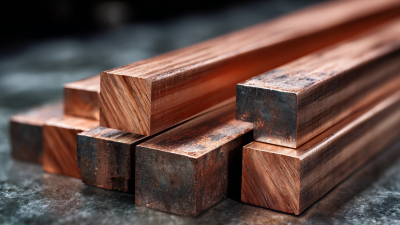
Rigid copper busbars are vital in electrical systems. They provide reliable conductivity and durability. Their applications span various industries including power distribution, renewable energy, and industrial machinery. According to a report by MarketsandMarkets, the global busbar market is expected to grow at a CAGR of 5.2% from 2021 to 2026. This reflects the increasing demand for efficient electrical systems.

Understanding materials is crucial. Copper offers excellent electrical conductivity, typically around 58 million siemens per meter. This makes it a preferred choice over aluminum in many applications. However, copper is heavier and more expensive than alternatives. This creates challenges in certain installations, especially where weight and cost efficiency are critical.

Designing the busbars can impact performance. The cross-sectional area determines the current-carrying capacity. A larger area reduces heat generation but increases material costs. Balancing these factors is essential. Engineering standards, like IEC 61439, can guide installation practices. Following these guidelines can enhance safety and system longevity.

Factors Influencing the Selection of Rigid Copper Busbars

When it comes to selecting rigid copper busbars, several factors play a crucial role in ensuring optimal performance. The electrical conductivity of copper, at approximately 59.6 million siemens per meter, makes it a preferred choice in various applications. However, understanding the specific demands of your system is vital. Factors such as current load, operating temperature, and environmental conditions should not be overlooked.

Another important consideration is the dimensions of the busbars. The thickness and width directly impact both electrical and thermal performance. For example, a busbar with a larger cross-sectional area can handle higher currents with lower heat generation. In practice, many industries recommend a minimum current density of 1.0 A/mm² for standard applications. Yet, pushing these limits without proper calculations could lead to failures.

Furthermore, installation procedures will influence long-term reliability. Ensure that the busbars are correctly mounted and securely connected to avoid contact resistance. Research shows that approximately 30% of electrical faults may stem from poor connections. Regular inspection and maintenance are essential to identify potential issues early. Balancing these factors enhances the effectiveness of rigid copper busbars in your projects.

Evaluating Busbar Electrical Conductivity: Key Metrics to Consider

When choosing rigid copper busbars, electrical conductivity is crucial. Key metrics include resistivity, temperature coefficient, and dimensions. A busbar with lower resistivity ensures higher efficiency in electrical systems. Understand how these factors influence your design and operation.

Tips:
Conductivity is not the only consideration. Think about the environment where the busbars will be used. High humidity might affect performance over time. Regular maintenance is essential to ensure reliability, though not always easy to implement in busy facilities.

Always check the thickness and cross-sectional area. These influence the temperature rise during operation. Inadequate sizing can lead to overheating and reduced lifespan. Balancing the need for conductivity with practical dimensions is vital for long-term success.

Analyzing Temperature Ratings and Thermal Conductivity for Busbars

When selecting rigid copper busbars, understanding their thermal properties is crucial. Copper busbars offer excellent conductivity, but their performance can vary significantly with temperature. According to industry reports, the thermal conductivity of copper can exceed 400 W/m·K at room temperature. However, as temperature rises, the resistance can increase, impacting efficiency.

Consider temperature ratings carefully. A busbar rated for continuous operation should have a temperature rise limit of 30°C above ambient conditions. This helps prevent overheating, which could lead to significant operational issues. Many sources suggest that sustained temperatures above 100°C may compromise the materials.

Regular thermal analysis is necessary to ensure optimal performance. While testing, some installations may experience unexpected heat buildup due to environmental factors. It’s essential to address these issues proactively. Infrared thermography can be beneficial in detecting hotspots that aren’t visible. Performing regular maintenance checks can make a difference in long-term reliability.

The Impact of Mechanical Strength and Dimensions on Busbar Performance

Essential Tips for Choosing Rigid Copper Busbars for Your Needs?

When selecting rigid copper busbars, mechanical strength and dimensions play vital roles in performance. According to the International Electrotechnical Commission (IEC), structural integrity ensures busbars can withstand vibrations and thermal expansion. A study from the IEEE shows that poor mechanical support can lead to premature failures. Therefore, understanding how dimensions affect rigidity is essential.

The width and thickness directly influence current-carrying capacity and heat dissipation. As busbars increase in size, their ability to manage heat also improves. However, oversized components can increase installation complexity. According to a report by the Copper Development Association, using properly dimensioned busbars can enhance efficiency by up to 15%. Yet, finding the balance between size and performance is crucial.

Designing a system without adequate mechanical strength might lead to costly downtimes. A poorly designed busbar can experience sagging, causing increased resistance and potential overheating. Industry experts recommend regular maintenance checks. This helps in identifying issues early, ensuring reliability. Ultimately, attention to these technical aspects can significantly impact overall system efficiency and longevity.

Corrosion Resistance: Ensuring Longevity in Copper Busbar Selection

When selecting rigid copper busbars, corrosion resistance is crucial. Copper busbars often face harsh environments. These factors include humidity, chemicals, and temperature variations. A report from the Institute of Electrical and Electronics Engineers (IEEE) indicates that corrosion can reduce busbar efficiency by up to 30%. Choosing materials with high corrosion resistance is vital for longevity and performance.

Consider surface treatments. Applying coatings can provide additional protection. For instance, tin plating can enhance corrosion resistance significantly. It's vital to regular maintenance. Routine inspections allow for early detection of corrosion signs. These practices ensure reliability, especially in critical applications like power distribution.

Tips for choosing busbars include examining the environment. Assessing humidity levels and exposure to chemicals helps in selection. Understand your specific application needs. Consult with industry experts to find the right specifications. Remember, a well-chosen busbar can lead to substantial energy savings and equipment longevity. Don't overlook these details; they can make a significant difference in performance.

Cost-Benefit Analysis: Investing in Quality Rigid Copper Busbars

Choosing the right rigid copper busbars is vital for optimal performance in electrical systems. A cost-benefit analysis highlights the importance of investing in quality over cheap alternatives. According to a report by the International Copper Association, high-quality copper busbars can improve energy efficiency by up to 10%. This can lead to significant savings over time, both in energy costs and maintenance expenses.

While the initial price of quality busbars may seem high, the long-term benefits are compelling. A study from TechSci Research indicates that low-quality materials can lead to failures. These failures can result in costly downtime and repairs. In fact, companies may incur losses of approximately $250,000, which far exceeds the savings from choosing cheaper busbars. The lifespan of premium busbars often spans over 30 years, while inferior products may fail within a decade.

However, all products aren't created equal. Not every supplier guarantees high standards. It's crucial to verify certifications and conduct thorough research. There are numerous options on the market, which can be overwhelming. Thus, understanding the specific needs of your application is key. Always weigh upfront costs against potential long-term savings to make the best choice.

Essential Tips for Choosing Rigid Copper Busbars for Your Needs - Cost-Benefit Analysis: Investing in Quality Rigid Copper Busbars

Aspect Description Cost-Benefit Factor Recommendation
Material Quality High conductivity and durability are crucial. Invest in higher quality for long-term savings. Choose Class A copper for optimal performance.
Thickness Determines current-carrying capacity. Thicker busbars may lead to better efficiency. Select thickness according to power needs.
Dimensions Size impacts installation and design. Larger may not always mean better; consider space. Evaluate layout before finalizing sizes.
Cost Initial cost versus operational efficiency. Higher upfront cost often leads to lower long-term costs. Consider total cost of ownership when purchasing.
Installation Ease of installation can affect overall project timeline. Simple installation can save labor costs. Opt for designs that simplify assembly.

Optimizing Electrical Performance: A Comprehensive Guide to Custom Rigid Copper and Aluminum Bus Bars

Optimizing electrical performance in industrial applications often hinges on the effective use of bus bars, particularly rigid copper and aluminum options. These components are crucial for facilitating efficient power distribution and minimizing energy losses. Rigid copper bus bars, fabricated from high-quality copper or aluminum sheets, are engineered to meet specific technical requirements, ensuring they perform optimally within electrical circuits. The use of advanced CNC machining technologies allows for precise fabrication, accommodating custom dimensions and cross-sectional shapes that are essential for various applications.

According to industry reports, the global market for bus bars is projected to witness significant growth due to the increasing demand for reliable power distribution systems across sectors such as renewable energy, transportation, and industrial manufacturing. Rigid copper bus bars, known for their superior conductivity and strength, play a vital role in enhancing electrical performance. They are typically designed in long rectangular shapes with options for rounded or chamfered edges. This design helps reduce the risk of point discharge, thereby increasing the safety and longevity of the electrical installations.

Moreover, the customization capabilities in the fabrication of rigid copper and aluminum bus bars allow industries to adapt to unique operational requirements. By optimizing dimensions and material properties, manufacturers can provide solutions that enhance performance reliability and efficiency in electrical systems, thereby meeting the evolving demands of modern technology and infrastructure.

FAQS

: What is the importance of electrical conductivity in busbars?

: Electrical conductivity ensures high efficiency in electrical systems, impacting design and operation significantly.

How does the environment affect busbar performance?

High humidity and chemicals can degrade performance over time, leading to reduced efficiency and potential issues.

Why is regular maintenance necessary for busbars?

Regular maintenance helps detect issues early, ensuring reliability, but it can be challenging in busy environments.

What factors influence busbar sizing?

Thickness and cross-sectional area are critical as they affect temperature rise and longevity during operation.

Why is corrosion resistance important for copper busbars?

Corrosion can reduce efficiency by up to 30%, making high corrosion resistance materials essential for durability.

What role do surface treatments play in busbar selection?

Surface treatments, like tin plating, can significantly enhance corrosion resistance and overall performance.

What are the long-term benefits of investing in quality busbars?

Quality busbars can improve energy efficiency and save costs on maintenance, leading to better long-term investments.

How can poor-quality busbars affect operations?

Low-quality materials can lead to failures, causing costly downtime and repairs that exceed initial savings.

What should one consider before selecting busbars?

Assess environmental factors and specific application needs to ensure the right fit for optimal performance.

How can companies ensure they choose the right busbar supplier?

Verify certifications and conduct thorough research to choose a supplier that meets high standards and application requirements.

Conclusion

When selecting Rigid Copper Busbars, understanding their fundamentals and applications is crucial. These busbars are essential for efficient electrical distribution in various settings, from power plants to industrial facilities. Key factors influencing the selection process include electrical conductivity, temperature ratings, thermal conductivity, and mechanical strength. Each of these metrics plays a vital role in ensuring optimal performance and longevity.

Furthermore, corrosion resistance is critical for enhancing the durability of Rigid Copper Busbars, especially in challenging environments. A thorough cost-benefit analysis can guide investment decisions, highlighting the importance of prioritizing quality over initial costs. By considering these essential aspects, you can make an informed choice that meets both efficiency and longevity needs for your specific applications.

Ethan

Ethan

Ethan is a dedicated marketing professional at Sichuan D&F Electric Co., Ltd., a reputable manufacturer and supplier established in 2005. Located in the vibrant Jinshan Industrial Park of Deyang, Sichuan, D&F specializes in providing high-quality electrical connection components and electrical......
Previous Best Insulated Terminal Bus Bar for Global Buyers?