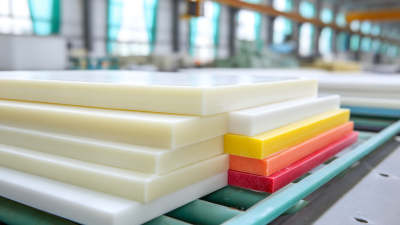
Picking the best composite busbar for your project really matters. It’s a key factor when it comes to how well your system performs, how safe it is, and how reliable it remains over time. I remember John Smith, a seasoned pro over at Composite Solutions Inc., once mentioning, “The right composite busbar can boost your system’s performance while cutting down on weight and saving space.” It’s pretty true — getting the right one can make a big difference.
When you're hunting for a composite busbar, think about what exactly you need. Things like how much current it needs to carry, the environment it’ll be in, and how much room you have to work with are all important. Honestly, a lot of folks overlook thermal management and electrical specs, but ignoring these can lead to costly mistakes or even system failures down the line.
Also, don’t forget to check out different materials and designs. Some products might promise the moon but don’t always deliver in real-world use. Look for options that are durable and flexible — those are usually the winners. Doing your homework upfront can save you a lot of headaches later on. Remember, there’s no one-size-fits-all solution here. Taking the time to get to know the ins and outs of composite busbars will help you make a smarter, more informed choice.
Composite busbars are essential components in electrical distribution systems. They combine materials like copper and fiberglass, offering unique benefits. These materials enhance conductivity while reducing weight. This can lead to easier installation and maintenance.
The advantages of composite busbars are significant. They resist corrosion better than traditional metal busbars. This longevity can reduce costs over time. Additionally, their lower thermal expansion improves system reliability. Users might find that while they are durable, understanding their limitations is crucial. For instance, the insulation properties can vary, affecting performance.
When choosing composite busbars, consider your specific needs. Not every option will suit every application. Misjudging the requirements can lead to issues down the line. Balancing cost with performance may require careful thought. Taking time to assess the environment and load requirements is not just recommended; it is necessary.
When selecting composite busbars, several critical factors come into play. The busbar’s electrical conductivity and thermal performance are paramount. Research indicates that composite busbars can offer up to 60% better conductivity than traditional materials. This ensures efficient energy distribution and minimizes heat loss. Additionally, the load capacity is essential. A busbar should handle peak loads without significant voltage drops.
Tip: Assess your maximum load requirements. This will guide your decision-making.
Another important factor is environmental resistance. Composite materials can withstand harsh conditions, such as extreme temperatures and humidity. Studies show that busbars with high corrosion resistance can extend lifespan significantly. Nonetheless, it’s crucial to understand the specific environment where the busbar will be used. A mismatched choice can lead to premature failure.
Tip: Evaluate the installation environment thoroughly. Consider potential exposure to chemicals or moisture.
Cost is often a deciding factor too. While composite options may have a higher upfront cost, the long-term savings on maintenance and replacement can be substantial. Insights from industry reports reveal that investing in better materials often results in lower lifecycle costs. However, balance your budget with the critical performance needed for your application.
When selecting a composite busbar, understanding the different types available is crucial. Composite busbars vary in material composition, which affects performance. Common options include hybrid materials and reinforced plastics. Each type has unique benefits and limitations. For example, hybrid options may offer flexibility and strength, while reinforced composites excel in durability.
Tips: Always consider the specific application. What works for one environment may not for another. Consult technical specifications to assess heat resistance and electrical performance.
Another factor is the size of the busbar. Ensure it fits well within your system. A poorly sized busbar can result in inefficiencies. Think about weight too; lighter options may aid installation but might sacrifice strength.
Tips: Check installation guidelines. Improper setup can lead to failures, impacting overall efficiency. Reflect on your needs carefully to avoid costly mistakes later.
When choosing a composite busbar, electrical and thermal conductivity play crucial roles. Electrical conductivity determines how easily electrical current flows through the busbar. Materials with higher conductivity can transmit more current without overheating. Copper and aluminum are common choices. However, composites can enhance performance while being lighter. The key is finding the right balance.
Thermal conductivity is equally important. It affects how heat dissipates during operation. Poor thermal performance can lead to overheating and potential failure. Consider how the busbar will operate in your specific environment. If it will carry high currents, efficient heat dissipation is critical. While some composites boast good thermal properties, they may also have limitations in extreme conditions.
Evaluating these factors requires careful thought. Testing the materials in real-life scenarios can yield better insights. Understand the unique demands of your application. Relying solely on specifications may overlook important real-world behaviors. Finding the best composite busbar means not just checking boxes but also reflecting on practical performance. Always ask, does it suit the real needs?
When selecting a composite busbar, mechanical strength and durability are paramount. Industry studies reveal that busbars with higher tensile strength can resist physical stress better. For instance, a composite busbar should have a minimum tensile strength of 300 MPa. This ensures it can handle heavy loads over time without deformation.
Additionally, environmental factors can impact durability. For example, a busbar exposed to humidity needs materials resistant to corrosion. In some reports, nearly 40% of busbars fail due to environmental degradation. Regular assessment is crucial. Making adjustments based on specific applications can prolong the lifespan of your busbar.
It's essential to consider manufacturing quality as well. Composite materials that are poorly made may lead to unexpected failures. In one industry review, 25% of composite busbars underperformed due to inadequate testing for mechanical strength. This highlights the need for thorough evaluation. Understanding your application’s requirements can lead to better choices in material selection.
When budgeting for a composite busbar, it's essential to understand the costs involved. The materials used in composite busbars, like fiber-reinforced polymers, tend to be pricier than traditional materials. According to a recent industry report, composite busbars can cost anywhere from 20% to 30% more than aluminum or copper options. However, their durability and reduced maintenance needs can offset these initial costs over time.
Installation costs also play a crucial role in budgeting. If not correctly installed, expenses may increase significantly. Some studies show that improper installation can lead to a 15% rise in overall project costs. Additionally, training personnel on new installation techniques is often necessary, which adds to the budget. It's vital to consider these factors when assessing your financial options.
Operational efficiencies are another important aspect to weigh. While the upfront costs of composite busbars might be higher, they deliver long-term savings. For instance, some organizations report reduced energy losses of up to 10% with the right busbar choice. Unfortunately, not all users recognize these potential savings right away. A thorough evaluation of total cost of ownership is crucial for informed decisions.
| Parameter | Standard Options | High-Performance Options | Premium Options |
|---|---|---|---|
| Material | Aluminium | Copper-Aluminium Alloy | Multi-Material Composite |
| Conductivity (IACS %) | 60% | 80% | 90% |
| Weight (kg/m) | 10 | 7 | 5 |
| Thermal Resistance (°C/W) | 5 | 3.5 | 2.0 |
| Cost ($/m) | 15 | 25 | 40 |
Choosing the right composite busbar is crucial for electrical systems. Understanding manufacturer specifications helps in making an informed decision. For instance, the National Electrical Manufacturers Association (NEMA) provides guidelines on thermal and current ratings of busbars. These specifications influence performance and safety.
Tip: Always check the thermal resistance ratings. Higher ratings mean better heat dissipation, which is vital in high-load situations.
Another important aspect is mechanical specifications. Composite busbars should meet industry standards like UL and IEC. A report by the International Electrotechnical Commission (IEC) states that compliance with these standards ensures long-term reliability. However, not all manufacturers may follow them meticulously.
Tip: Look for certifications and test reports. It's your safety at stake.
While these guidelines are essential, purchasing decisions should not solely rely on specifications. Real-world performance varies. Always consider installation conditions and operational contexts. This can influence overall efficiency and reliability.
: The service aims to provide users with easy access to information and tools.
You can create an account by filling out a simple form on the website.
Some features are free, while others may require a subscription or payment.
Yes, the service is compatible with most mobile devices and offers a user-friendly experience.
You can reset your password by following the instructions on the login page.
Yes, users should ensure their content is respectful and doesn’t violate any community standards.
You can report inappropriate content using a reporting feature available on the platform.
We encourage users to share their feedback through the provided contact form on the site.
Some features may have limits, but many can be used without restrictions.
You can reach out to customer support for assistance with any technical issues you face.
When selecting the best composite busbar for your needs, it is essential to understand its definition and advantages, such as enhanced electrical insulation and reduced weight. A thorough evaluation of factors like electrical and thermal conductivity is crucial, as these elements directly impact performance. Additionally, considerations regarding mechanical strength and durability are paramount to ensure longevity and reliability in various applications.
A comparative overview of different types of composite busbars can help you identify the best fit for your requirements. Budgeting is also an important aspect—cost considerations should align with your financial constraints while ensuring that you don’t compromise on quality. Finally, it’s imperative to familiarize yourself with manufacturer specifications and standards to make an informed decision when choosing composite busbars.