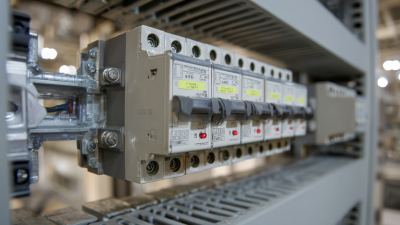
Picking the right metal bus bar is pretty important if you want your electrical systems to run smoothly and safely. These things are kinda like the backbone—they help spread power around and connect different devices or systems. With so many types, sizes, and materials out there, it can feel a bit overwhelming trying to figure out which one’s best for you. That’s why I’ve put together this guide—to make your life a little easier and help you focus on the most important stuff that affects performance and compatibility with your setup.
In this quick intro to choosing the perfect metal bus bar, we’ll cover some key things like material options, load capacity, and how to install them properly. Getting a handle on these points will help you make smarter choices, making your electrical system more reliable and longer-lasting. Taking a moment to consider your specific needs and the different features of these bus bars can really pay off—helping you avoid headaches down the line. Whether you’re tackling a big industrial project or just fixing up some stuff at home, picking the right metal bus bar can really make a big difference in how well everything works.

Understanding Metal Bus Bars: Definition and Functionality
Metal bus bars are essential components in electrical distribution systems, serving as conductive pathways that distribute electricity from one source to multiple circuits. Typically made from materials like copper or aluminum, bus bars can vary in shape and size to accommodate different current ratings and installation requirements. Their primary purpose is to reduce electrical resistance while maximizing efficiency, thereby ensuring that power is efficiently transferred to various electrical loads without excessive heat loss.
The functionality of metal bus bars extends beyond mere conduction; they also play a crucial role in the overall safety and reliability of electrical systems. Bus bars are designed to handle high current loads, providing a stable connection that minimizes the chances of electrical failure. Additionally, they are often equipped with features such as insulation and protective coatings to prevent shorts and safeguard against environmental factors. Understanding their definition and functionality allows electrical engineers and technicians to make informed decisions on the type of bus bar that will best fit their specific electrical needs, ultimately aiding in the design of effective and robust electrical systems.
Types of Metal Used in Bus Bars: Copper vs. Aluminum
When selecting a metal bus bar for electrical applications, the choice of material is crucial in determining its efficiency and longevity. The two most common materials used are copper and aluminum, each offering distinct advantages and disadvantages. Copper bus bars are often favored for their superior electrical conductivity, allowing them to carry more current with less resistance. This makes them especially suitable for high-performance applications where efficiency is paramount. Additionally, copper's durability and resistance to corrosion can enhance its lifespan, making it a solid investment for demanding environments.
On the other hand, aluminum bus bars present a more cost-effective alternative without compromising too much on performance. While their electrical conductivity is lower than that of copper, advancements in design and manufacturing have improved aluminum's efficiency in various applications. Aluminum is also lighter than copper, which simplifies installation and reduces structural support requirements. Furthermore, its resistance to oxidation can benefit certain applications, although it may necessitate careful consideration of thermal expansion and mechanical support due to its different physical properties. Ultimately, the choice between copper and aluminum bus bars should reflect the specific needs of the electrical system, balancing performance, cost, and installation considerations.
Factors to Consider When Choosing a Metal Bus Bar
When choosing a metal bus bar for your electrical needs, several key factors should be taken into consideration.
First and foremost, the material itself plays a crucial role.
Copper and aluminum are the most commonly used materials, each offering distinct advantages.
Copper, for instance, has excellent conductivity and thermal performance, making it ideal for high-current applications. In contrast, aluminum is lighter and typically more cost-effective, which may be beneficial for larger installations or in situations with weight restrictions.
Another important factor is the bus bar's size and current rating.
It’s essential to select a bus bar that can handle the specific electrical load while allowing for future expansion.
Proper sizing helps prevent overheating and ensures optimal performance. Additionally, the environment in which the bus bar will be installed can impact your choice.
Factors such as humidity, temperature variations, and exposure to corrosive substances may affect material selection and the need for protective coatings.
Tips: Always consult with an electrical engineer to discuss your specific requirements, as they can provide valuable insights into current ratings and safety considerations.
Also, evaluate the installation space to ensure that the bus bar fits properly and has adequate spacing for heat dissipation.
Finally, don’t forget to consider the ease of maintenance and accessibility when selecting your bus bar, as these aspects can affect the long-term reliability of your electrical system.
Bus Bar Sizing: Determining Current Capacity and Dimensions
When choosing the right bus bar for your electrical system, sizing is a critical factor that directly influences its performance and safety. The current capacity of a bus bar is primarily determined by its dimensions, material, and ambient temperature. According to the National Electrical Code (NEC), copper bus bars typically carry larger currents than aluminum due to their higher conductivity. For instance, a copper bus bar of 2 inches by 1/4 inch can safely carry up to approximately 600 amps, whereas an aluminum bus bar of the same dimensions would carry around 400 amps. These values highlight the importance of selecting the right material based on the required load.
Further, when determining bus bar dimensions, the derating factor due to operating conditions must be considered. Temperature rise is a significant concern, as excessive heat can lead to failure. The Institute of Electrical and Electronics Engineers (IEEE) suggests that for every 10°C above 30°C, the allowable current should be reduced by 10%. This underscores the importance of assessing not only the theoretical current carrying capacity but also the real-world conditions where the bus bar will operate. Proper sizing based on these parameters ensures the longevity and reliability of electrical systems while preventing potential hazards.
Environmental Considerations: Corrosion and Temperature Ratings
When selecting the right metal bus bar for electrical applications, environmental considerations play a crucial role, particularly concerning corrosion resistance and temperature ratings. Corrosion can significantly impact the longevity and performance of bus bars, especially in harsh environments. According to the NACE International Corrosion Prevention and Control report, corrosion can lead to an increase in maintenance costs by up to 25% and can drastically decrease the lifespan of electrical components. Thus, choosing materials that exhibit excellent corrosion resistance, such as copper or aluminum with protective coatings, is essential for ensuring reliability in various applications.
Additionally, temperature ratings are a critical factor when determining the suitability of a metal bus bar. The IEEE 837-2019 standard outlines specific temperature ratings pertinent to electrical bus bars, emphasizing that they must withstand not only normal operational temperatures but also potential overload scenarios. For instance, a bus bar designed for applications exceeding 75°C may need to account for thermal expansion and potential conductivity changes. Industry reports indicate that proper thermal management can improve the efficiency of electrical distribution systems by up to 10%, making it imperative to consider both the material properties and the operational environmental conditions in the design phase.
How to Choose the Right Metal Bus Bar for Your Electrical Needs - Environmental Considerations: Corrosion and Temperature Ratings
| Bus Bar Material |
Corrosion Resistance |
Temperature Rating (°C) |
Applications |
| Copper |
Excellent |
60 - 90 |
Power Distribution, Industrial Equipment |
| Aluminum |
Good (with protective coatings) |
60 - 80 |
Commercial Buildings, Solar Applications |
| Stainless Steel |
Excellent |
50 - 70 |
Marine Applications, Outdoor Installations |
| Tin-Plated Copper |
Very Good |
60 - 90 |
Electronics, Wiring Assemblies |
Installation Guidelines for Metal Bus Bars
When installing metal bus bars, understanding the specific requirements of your electrical system is crucial. Metal bus bars are designed to conduct electricity and distribute it effectively throughout electrical panels. According to the National Electrical Manufacturers Association (NEMA), selecting the right metal bus bar material, whether copper or aluminum, can significantly affect conductivity and overall system performance. Copper bus bars, for instance, offer superior conductivity and are ideal for high-current applications, while aluminum bars provide a lightweight alternative, albeit with slightly reduced conductivity.
Installation guidelines emphasize the importance of proper sizing and securing of bus bars. Industry standards suggest ensuring that the bus bar dimensions correlate with the intended load capacity. For example, a common rule of thumb is that each ampere requires approximately 0.1 square inches of cross-sectional area for copper bus bars. Furthermore, ensuring that bus bars have ample space for heat dissipation will help maintain safety and performance over time.
**Tips:** Always use insulated supports for installation to prevent electrical shorts. Additionally, regularly inspect the connections and joints for signs of wear or overheating, as these factors can lead to severe operational inefficiencies or safety hazards. Finally, adhering to the local electrical codes and regulations during installation will ensure your system operates flawlessly.
Metal Bus Bar Selection Based on Current Rating
This chart illustrates the current rating for different sizes of metal bus bars, providing a clear comparison on how to choose the appropriate bus bar based on electrical needs.
Common Applications of Metal Bus Bars in Electrical Systems
Metal bus bars are critical components in various electrical systems, serving as a centralized point for distributing electrical power. One of the most common applications includes their use in power distribution boards, where they connect multiple circuits to a single power source. This setup helps in efficiently managing the load while minimizing energy loss.
Additionally, bus bars are often utilized in switchgear assemblies, allowing for the effective segregation and routing of power to different parts of a facility.
Another significant application of metal bus bars is in renewable energy systems, such as solar panel installations. They facilitate the connection of multiple solar panels to inverters and battery storage systems, ensuring that electricity generated from the sun is efficiently directed where it is needed.
Furthermore, bus bars are found in industrial contexts, where they play a role in connecting heavy machinery to the main power supply, supporting both functionality and safety. Their robust design can handle high currents, making them suitable for demanding environments.
FAQS
: The two most common materials used for metal bus bars are copper and aluminum.
Copper bus bars are favored for their superior electrical conductivity, allowing them to carry more current with less resistance.
Aluminum bus bars are a more cost-effective alternative and are lighter than copper, which simplifies installation and reduces structural support requirements.
Proper sizing, securing, and ensuring adequate space for heat dissipation during installation is crucial, as it significantly affects the conductivity and overall performance of the electrical system.
A common rule of thumb is that each ampere requires approximately 0.1 square inches of cross-sectional area for copper bus bars.
Metal bus bars are commonly used in power distribution boards, switchgear assemblies, renewable energy systems, and industrial contexts to distribute electrical power effectively.
It's important to use insulated supports, regularly inspect connections and joints for wear, and adhere to local electrical codes and regulations during installation.
Aluminum's different physical properties necessitate careful consideration regarding thermal expansion and mechanical support during installation.
The choice should reflect the specific needs of the electrical system, balancing performance, cost, and installation considerations.
In renewable energy systems, bus bars facilitate the connection of multiple solar panels to inverters and battery storage systems, ensuring efficient electricity distribution.
Conclusion
The article "How to Choose the Right Metal Bus Bar for Your Electrical Needs" provides a comprehensive overview of metal bus bars, their definitions, functionalities, and the key factors to consider when selecting one for electrical systems. It highlights the two primary materials used—copper and aluminum—discussing their advantages and disadvantages. Additionally, the article emphasizes the importance of determining the appropriate bus bar size based on current capacity and dimensional requirements, while also addressing environmental factors such as corrosion resistance and temperature ratings.
Installation guidelines for metal bus bars are outlined to ensure optimal performance, alongside common applications that showcase their relevance in various electrical systems. Ultimately, understanding these components and their specifications is crucial for making informed decisions in selecting the right metal bus bar to meet specific electrical needs effectively.