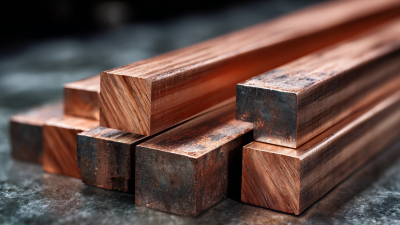
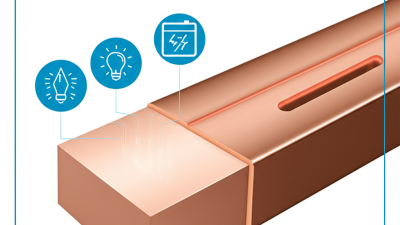
In today’s fast-changing world of electrical systems, making power distribution more efficient has become more important than ever. Did you know that market trends show a big rise in the need for advanced electrical connection parts? This push is largely driven by more renewable energy sources being added and the push to electrify transportation. One of the standout solutions right now is Copper Foil Flexible Busbars. They’re known for their amazing conductivity and flexible design, making them a really key player in improving how we distribute power.
Now, on the manufacturing side, Sichuan D&F Electric Co., Ltd., a trusted name since 2005, is all about providing top-notch electrical connection components and insulation parts. Thanks to the lightweight and adaptable qualities of Copper Foil Flexible Busbars, D&F Electric is all set to support the needs of modern electrical systems, helping make energy use more efficient and reliable across different kinds of applications.
The Importance of Efficient Power Distribution in Modern Electrical Systems
Efficient power distribution is a must in today's electrical systems, especially since everyone's demanding more reliable and high-performance energy. To keep up, companies are turning to new materials and tech — it's pretty much essential now. One of the game-changers is copper foil flexible busbars. These little guys make transferring electricity smoother and more reliable across a variety of applications.

Compared to the heavy, rigid busbars of the past, these flexible copper foil versions are a big step up. They're lighter, take up less space, and bend easily, which makes installing them in tight spots a lot simpler—perfect for compact electronics or renewable energy setups. Plus, by improving how the electrical current flows, they help cut down on heat and energy loss, making the whole system work more efficiently. As industries aim for greener, more efficient solutions, these innovative busbars are playing a bigger role than ever in pushing power distribution forward — making everything run just a bit better and easier.
Understanding Copper Foil Flexible Busbars and Their Applications
In today’s electrical setups, copper foil flexible busbars are really starting to stand out because they’re pretty versatile and efficient when it comes to distributing power. They play a key role in making sure everything connects smoothly—especially in cases where space and weight really matter, like in electric vehicles or renewable energy projects. One of the cool things about these busbars is how flexible they are, which makes installing them easier and allows them to fit into more complex designs—ultimately helping the whole system run better.

Lately, with the advances in solar tech, it’s become clear that taking a flexible, innovative approach to electrical connections is more important than ever. For example, some new laser techniques are now being used to connect solar cells directly, skipping traditional busbars. This means lighter, more efficient solar panels are on the horizon. These innovations actually work really well alongside copper foil busbars—they can be combined with the latest tech to make energy distribution smoother and reduce losses.
If you’re thinking about using copper foil flexible busbars for your project, here’s a tip: make sure to evaluate your specific needs, like how much current you’ll need to handle, the size of your setup, and the environment it’ll be in. Sometimes, alternatives like aluminum busbars might be a more budget-friendly choice, depending on what you’re working on. And don’t forget—proper insulation is a must to avoid any short circuits or electrical mishaps down the line.
Performance Advantages of Copper Foil in Electrical Conductivity
Copper foil flexible busbars are pretty essential when it comes to making modern electrical systems work more efficiently. One of the coolest things about copper foil is its amazing electrical conductivity — it scores around 59.6 million Siemens per meter, which basically means it outperforms most other conductive materials. Thanks to this, electricity flows smoothly with minimal energy loss, so you get less heat and a more reliable system overall.
What’s also great about these flexible busbars is, well, their flexibility. Unlike the traditional straight, rigid busbars, copper foil ones can be bent and shaped to fit all kinds of setups inside electrical panels. That makes installation way easier and helps you make the most of limited space, especially in tighter, more compact systems. Plus, since copper foil is lightweight, it puts less stress on mounting structures, which means your electrical setups—whether in renewable energy projects or high-tech electronics—last longer and perform better.
All in all, it’s a pretty smart choice for anyone looking to boost efficiency and make installation a bit more doable.
Design Flexibility: How Copper Busbars Enhance System Efficiency
When it comes to modern electrical systems, having some design flexibility really makes a difference, especially with copper busbars. As the electrical needs keep growing and changing, it’s super important to have power distribution solutions that are both reliable and adaptable. Copper foil flexible busbars are a real win here because they can easily fit into all sorts of configurations and setups, making installation smoother and more efficient. Not only does this flexibility help maximize space within the electrical system, but it also reduces energy losses — so everything runs more smoothly and efficiently.
At Sichuan D&F Electric Co., Ltd., we’ve been in the game since 2005, focusing on making electrical connection parts and insulating components that support cutting-edge tech. We’re committed to delivering high-quality copper busbars that help our clients get the most out of their electrical systems. Thanks to our experience and expertise, we’re not just offering current solutions — we’re also gearing up for future advancements in power distribution, so our customers stay ahead of the curve.
Unlocking Efficient Power Distribution: The Role of Copper Foil Flexible Busbars in Modern Electrical Systems
The chart below illustrates the efficiency improvement in electrical systems using copper foil flexible busbars versus traditional busbars across different electrical loads.
Comparative Analysis: Copper Foil vs. Traditional Busbar Materials
Deciding between copper foil flexible busbars and the traditional busbar materials really makes a difference when it comes to how efficient modern electrical setups are. Copper foil busbars are super conductive, lightweight, and flexible—perfect if you're dealing with tight spaces or complex layouts. On the flip side, materials like aluminum aren’t quite as conductive and tend to be bulkier, which can mean more resistance and energy waste. This comparison kind of highlights how going with copper foil can boost performance and also help cut down on the space your electrical systems take up.
Quick tip: If you're thinking about switching to copper foil flexible busbars, take a moment to check out your system’s specific needs—like how much load it needs to handle and how complicated the setup is. Doing this can really pay off by making your system run smoother and saving you some cash in the long run.
And by the way, the installation process isn’t the same for both materials. Copper foil busbars let you design things more efficiently and tailor them to different applications. Meanwhile, traditional busbars often need more rigid setups. Plus, copper foil plays nicely with modern electronic gadgets, so engineers and manufacturers can come up with more innovative and efficient ways to distribute power.
Another quick tip: When you're planning your electrical layout, it’s always a smart idea to chat with a specialist—especially if you're pushing for high-demand setups. They can make sure everything is compatible with copper foil busbars and help you get the most out of these modern materials.
Unlocking Efficient Power Distribution: The Role of Copper Foil Flexible Busbars in Modern Electrical Systems
| Parameter |
Copper Foil Flexible Busbar |
Traditional Busbar Materials |
| Electrical Conductivity (IACS) |
100% |
65-80% |
| Weight (kg/m) |
1.0 |
2.5 |
| Flexibility (degrees) |
360° |
Limited |
| Thermal Conductivity (W/m·K) |
390 |
200-300 |
| Corrosion Resistance |
High |
Moderate |
| Manufacturing Cost ($/m) |
15 |
10 |
| Use Case Efficiency (%) |
95% |
80% |
Future Trends in Power Distribution and the Evolution of Busbar Technology
The way busbar technology has evolved is pretty crucial when you think about today’s power distribution systems, especially since energy needs keep climbing. One of the coolest advancements recently is the development of copper foil flexible busbars. These babies don’t just save some much-needed space in electrical setups—they also do a better job with conductivity and heat dissipation. As our electrical systems get tighter and more efficient, flexible busbars really shine because they’re super adaptable. You’ll find them in all sorts of stuff, from electric vehicles to renewables and beyond.
Looking into the future, it seems like we’re heading toward more sustainable and smarter ways to handle power. Incorporating smart tech into busbar systems is going to be a game-changer, helping us keep an eye on energy flow in real-time. Plus, with electric vehicles and renewable energy sources becoming more common, we need busbar designs that can handle changing loads and diverse energy inputs. Luckily, manufacturers are always pushing the envelope with new materials and better manufacturing methods. Honestly, the future of busbar tech looks pretty bright—bringing us closer to more resilient, efficient electrical grids that can keep up with our growing energy appetite.
FAQS
: The primary performance advantage of copper foil is its superior electrical conductivity, with a rating of 59.6 x 10^6 S/m, which allows for minimal energy loss during transmission.
Copper foil enhances reliability by ensuring that electrical currents flow smoothly through busbars, reducing heat generation during transmission.
The flexibility of copper foil busbars allows them to be easily shaped to fit various configurations, streamlining installation processes and optimizing space utilization.
The lightweight nature of copper foil reduces the structural load on mounting systems, enhancing the longevity and performance of electrical installations.
Copper foil busbars are used in diverse applications including renewable energy systems and advanced electronics.
Design flexibility is important because it allows for adaptable and reliable power distribution solutions that can conform to varying electrical demands and configurations.
Sichuan D&F Electric Co., Ltd. specializes in manufacturing electrical connection components and insulation structural parts, providing high-quality copper busbars to maximize performance in electrical installations.
By minimizing energy losses and optimizing the use of space within electrical systems, copper foil busbars significantly contribute to overall system efficiency.
Anticipating future advancements ensures that electrical solutions remain effective and reliable as technology and electrical demands continue to evolve.
Conclusion
Efficient power distribution is really a big deal in today’s electrical systems because it directly affects how well everything works and how reliable it is. You know, Copper Foil Flexible Busbars have become pretty much essential when it comes to improving energy transfer—they offer better electrical conductivity and are much more flexible in design than some of the traditional options. Plus, their lightweight build and versatility mean they fit into a variety of applications, making systems run smoother and more efficiently overall.
Thanks to these advantages, Copper Foil Flexible Busbars are quickly becoming a top choice for manufacturers like Sichuan D&F Electric Co., Ltd., which focuses on electrical connection parts. As the need for smarter, innovative power distribution solutions keeps growing, getting a good handle on this technology is going to be super important for optimizing future electrical setups and staying ahead in the game industry-wise.