


When it comes to electrical systems, making sure power is distributed efficiently is a big deal. One of the key players in making that happen is the Electric Power Copper Bus Bar. I mean, just listen to what John Smith, an electrical engineer with Power Solutions Inc., points out—he says, “Using Electric Power Copper Bus Bars effectively isn’t just about better conductivity; it also helps keep electrical setups reliable and lasting longer.” Pretty straightforward, right?

These Copper Bus Bars are super important—they act as main routes for electricity, helping cut down on energy loss and boosting overall performance in things like substations, switchgear, and industrial plants. Their sturdy build and top-notch conductivity make them the go-to choice when you're dealing with high currents, where safety and efficiency are a must.
As industries keep growing and energy needs grow with them, it's more and more important to understand why Electric Power Copper Bus Bars are such a big deal. They provide a smart solution to modern electrical issues and are key players in reaching those sustainable energy goals we hear so much about now.
Understanding Electric Power Copper Bus Bar: Definition and Applications

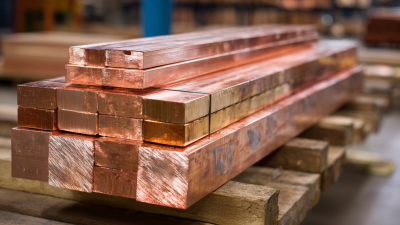
Electric power copper bus bars are essential components used in electrical systems to efficiently conduct and distribute electricity. These conductive bars provide a reliable connection between different electrical devices and systems, ensuring minimal resistance and heat generation. With applications ranging from industrial power distribution to renewable energy systems, copper bus bars serve a critical role in enhancing the performance and longevity of electrical installations.
When choosing copper bus bars for your electrical setup, consider their size and thickness according to the current load requirements. Proper sizing ensures that the bus bars can handle the electrical load without overheating, leading to improved safety and efficiency.
**Tips:** Always opt for high-quality copper, as its excellent conductivity significantly reduces energy losses. Additionally, regular maintenance, such as checking for corrosion or loose connections, can prolong the life of your bus bars and improve overall system reliability.

Market Trends and Technical Advancements in Custom Rigid Copper and Aluminum Bus Bars: Insights from Industry Reports
The market for custom rigid copper and aluminum bus bars has witnessed significant trends driven by advancements in technology and increasing demands across various industries. According to recent industry reports, the global busbar market is projected to grow at a CAGR of approximately 6.5% over the next five years, spurred by the rising need for efficient energy distribution and the growing adoption of renewable energy sources. As energy demands increase, the importance of high-quality conductive materials in electrical installations becomes paramount, reinforcing the need for industry players to innovate in design and manufacturing processes.
Sichuan Myway Technology Co., Ltd., with over 17 years of CNC machining experience, stands out as a key player in this evolving landscape. The company specializes in fabricating and supplying a wide range of custom high-quality copper bus bars tailored to clients’ specific drawings and technical requirements. Their rigid copper bus bars are precision CNC machined from copper or aluminum sheets, ensuring optimal conductivity and reliability. These bus bars often feature rounded edges to mitigate the risk of point discharge, which is crucial in high-voltage applications where maintaining safety and operational integrity is essential.
The emphasis on technical advancements is evident as manufacturers explore innovative processes that enhance the connectivity and performance of bus bars. For instance, the implementation of advanced CNC machining techniques allows for more intricate designs that optimize surface area and conductivity. As industries continue to evolve, the demand for tailored solutions, like those provided by Myway Technology, will likely become even more critical in meeting the stringent requirements of modern electrical systems.

FAQS
: Electric power copper bus bars are conductive bars used in electrical systems to efficiently conduct and distribute electricity, providing a reliable connection between different electrical devices while minimizing resistance and heat generation.
The size and thickness of copper bus bars must align with the current load requirements to prevent overheating, ensuring improved safety and efficiency within the electrical setup.
Regular maintenance should include checking for corrosion and ensuring that connections are tight, which can prolong the life of bus bars and enhance overall system reliability.
Relevant industry standards include those set by the American National Standards Institute (ANSI) and the International Electrotechnical Commission (IEC), which cover material quality, dimensions, and thermal performance to ensure safety and reliability.
High purity copper, typically above 99.9%, is preferred because it significantly enhances electrical conductivity, reduces energy losses, and improves the performance of electrical systems.
The growth of copper bus bars is driven by the increasing demand for reliable and efficient power distribution solutions, the integration of advanced technologies, and the shift towards sustainable energy solutions.
Copper bus bars are commonly used in commercial buildings, industrial plants, and renewable energy systems, among other applications requiring effective power management.
Copper bus bars are favored over aluminum due to their superior electrical properties, durability, and resilience, making them a preferred choice for future-proof electrical designs in various installations.
Industry standards ensure that copper bus bars can withstand various operational conditions, enhancing the performance, longevity, and safety of electrical systems while protecting both equipment and personnel.
In renewable energy systems, copper bus bars are crucial for ensuring optimal performance and longevity, facilitating efficient power distribution as more industries adopt green energy technologies.
Conclusion
Electric Power Copper Bus Bar is a crucial component in modern electrical systems, serving as a reliable conductor for distributing electric power efficiently. This article explores its definition and various applications, highlighting the key advantages of using copper over alternative materials such as aluminum. Notably, copper bus bars offer superior conductivity, durability, and resistance to corrosion, making them an ideal choice for high-performance electrical installations.
Additionally, adherence to industry standards and proper design practices significantly impacts the efficiency and performance of electric systems. As market trends indicate a growing demand for Electric Power Copper Bus Bars, manufacturers like Sichuan D&F Electric Co., Ltd. play a vital role in supplying high-quality components that enhance electrical connectivity and insulation. The intricate relationship between bus bar design and electrical efficiency further emphasizes the importance of these components in achieving optimal system performance.
Related Posts
-
The Ultimate Checklist to Choosing the Best Copper Bus Bar for Global Procurement
-

How to Choose the Best Tin Plated Copper Bus Bar for Your Electrical Needs
-

7 Tips for Choosing the Right Copper Bus Bar Manufacturer in Spain
-

Exploring Insulation Class H Innovations at the 138th China Import and Export Fair 2025
-

Understanding the Advantages of Rigid Copper Busbars in Modern Electrical Systems
-

Global Market Insights: Projecting the Future of Best Epoxy Fiberglass Tubes by 2025


