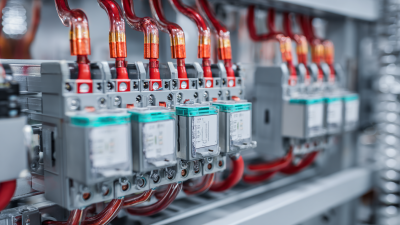
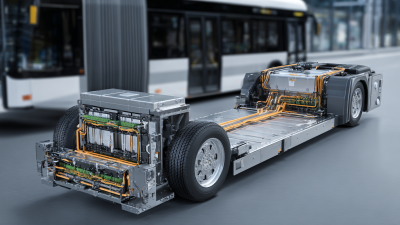
Picking the right Power Busbar really makes a huge difference in how efficient your system runs. It’s a pretty important part when it comes to distributing electricity. If you choose wisely, you’ll get better performance and your system will last longer without all the headaches. Think about what you need right now, but also what your future plans look like. Jumping into a choice without considering growth might backfire later on — like having to replace stuff sooner than expected. A good busbar should fit today’s needs and also be ready for whatever’s coming down the road.
And don’t forget about your budget — sure, saving a buck might seem tempting, but skimping on quality could end up costing you more in repairs and downtime later. It’s all about finding that sweet spot between cost, durability, and performance. Taking some time now to do your homework might seem like a hassle, but it can save you a ton of trouble (and cash) down the line.
Power busbars play a crucial role in electrical systems. They serve as conductive pathways, allowing for efficient power distribution. Understanding their purpose is essential for anyone involved in electrical engineering or installation. Busbars can be found in various environments, from industrial plants to commercial buildings. Their main function is to collect and distribute electrical power to different devices and systems.
Selecting the right busbar requires careful consideration. One must take into account its current rating, which directly affects performance. Moreover, different materials, like copper or aluminum, offer distinct benefits. It’s vital to understand how these materials influence durability and conductivity. Sometimes, engineers might overlook environmental factors like temperature and humidity. These aspects can severely impact busbar effectiveness.
Designing a busbar system without proper analysis can lead to challenges. You might notice wear and tear sooner than expected. Regular maintenance is crucial, but people often underestimate it. Ensure the physical layout allows for heat dissipation. Busbars should be installed with enough clearance to prevent overheating. Always remember, a well-implemented busbar can significantly enhance overall system reliability. Inadequate choices can lead to inefficiencies and unexpected costs. Thus, reflection on choices made during the selection process is necessary.
When selecting a power busbar, several key factors demand careful consideration. Materials and conductivity matter greatly. Copper and aluminum are common choices. Copper offers improved conductivity at about 60% better than aluminum. However, aluminum is lighter and often more cost-effective. This trade-off can affect your final decision.
Another crucial aspect is thermal management. Power busbars can generate heat due to electrical loads. Adequate heat dissipation is essential to prevent equipment failure. A study indicates that 35% of electrical failures stem from poor thermal design. Hence, incorporating thermal analysis in the selection process is vital.
Cost is always a concern. However, selecting the cheapest option may lead to higher long-term costs due to failures. Conducting a thorough life-cycle cost analysis can be beneficial. Investing in quality materials can enhance performance and longevity. Ignoring this could result in frequent replacements, straining both budgets and resources.
| Factor | Considerations | Recommended Range | Common Materials |
|---|---|---|---|
| Current Rating | Ensure the busbar can handle the maximum current load. | 100 - 1000 A | Copper, Aluminum |
| Voltage Rating | Choose a busbar rated for the system voltage. | 600 - 3000 V | Copper, Aluminum |
| Size and Dimensions | Match the physical size with the installation space. | Different configurations available | Rectangular, Square |
| Thermal Management | Consider the cooling requirements based on capacity. | Heat dissipation efficiency | Copper, Aluminum |
| Installation Environment | Assess the exposure to elements and safety requirements. | Indoor, Outdoor | Corrosion-resistant materials |
| Connection Type | Ensure compatibility with existing electrical systems. | Bolted, Welded | Various terminal configurations |
| Compliance and Standards | Verify compliance with local and international standards. | IEC, UL Standards | Standard materials |
| Cost Efficiency | Balance quality and price for best value. | Competitive pricing | Cost-effective materials |
| Safety Features | Look for built-in fuses or overload protection. | Safety standards compliance | Insulated materials |
| Longevity and Durability | Select materials that ensure a long lifespan. | 10+ years lifespan | High-grade metals |
Power busbars are crucial in electrical distribution systems. They connect multiple circuits and manage higher currents efficiently. Understanding the types of power busbars can help in making an informed choice.
There are several common types of power busbars.
Copper busbars are known for excellent conductivity. Aluminum busbars are lighter and often more cost-effective. Composite busbars, while newer, offer unique benefits like corrosion resistance. Each type has its strengths and weaknesses, affecting its suitability for different applications.
Consideration of your specific needs is vital. The size and shape of the busbar should match your layout. Heat dissipation is another factor to contemplate. Choosing the wrong type can lead to overheating or inefficiency. Reflecting on past experiences can guide better decisions. Balancing cost, performance, and material properties is essential in this selection process.
When selecting a power busbar, the choice of material is crucial. Conductors can significantly impact performance and efficiency. Copper is often regarded as the standard material due to its excellent conductivity. It allows for compact designs and can handle high currents. However, it comes with a higher cost compared to alternatives.
Aluminum is another common choice. It is lighter and more budget-friendly than copper. Its conductivity is lower, meaning aluminum busbars need to be larger to carry the same current. This can lead to space concerns in some installations. Moreover, the oxidation layer on aluminum requires careful handling to ensure reliable connections.
Other materials, like stainless steel or composites, may offer unique benefits. Stainless steel is resistant to corrosion but can be heavier and less conductive. Composites might be lighter and more versatile but may not perform well in high-temperature environments. Each material has its trade-offs, prompting further evaluation for specific use cases.
Consider how each option aligns with your project’s needs before making a decision.
When selecting the right power busbar, evaluating electrical capacity is crucial. Industry reports indicate that the electrical demand for commercial and industrial applications is increasing annually by 4%. Therefore, ensuring your busbar can handle this growing capacity is vital.
A common mistake is underestimating peak loads. Ensure that your busbar can manage short-term surges. Capacity planning involves more than just looking at average usage. Consider future expansions too. Many facilities face power shortages because they failed to plan ahead.
Tip: Always calculate potential future needs along with current demands. This foresight can prevent costly upgrades later.
Another key point is to consider the environmental conditions. Factors like temperature and humidity impact busbar performance. Industry data shows that improper installation in adverse conditions leads to a 30% increase in failure rates. This can be a costly oversight.
Tip: Inspect the installation site carefully. Is it prone to extreme temperatures? Identifying these risks early can save time and money. Always prioritize capacity planning before making a decision on busbars.
When it comes to busbar installation, design and layout play a critical role. Poor planning can lead to inefficiencies and potential hazards. It’s crucial to visualize how the busbars will fit into the existing infrastructure. Consideration of airflow and accessibility is important. A cluttered design could make maintenance difficult.
Tip: Always leave enough space for heat dissipation. Overheating can cause severe failures.
Align the busbars to minimize connections. Fewer joints reduce points of failure.
The layout should also accommodate future expansions. You might not need it now, but growth is often inevitable. Incorrect sizing can limit capacity. Ensure all components are rated for the anticipated load.
Tip: Regularly review your design. Gather feedback from your team. Adapt according to their experiences. Little adjustments can lead to significant improvements.
When selecting the right power busbar, safety standards are paramount. Compliance with relevant regulations safeguards both equipment and personnel. Different regions may have distinct regulatory requirements. For instance, international standards such as IEC or regional codes should guide your decisions. Always check for certifications that guarantee safety and performance.
Outdated busbars can pose serious risks. Many users overlook the importance of maintaining up-to-date equipment. Ensuring your power distribution systems follow current standards prevents accidents. Inspecting for wear and tear is essential. Even minor damages can lead to failures.
In practice, not all installations meet the required safety benchmarks. Insufficient education about compliance can lead to critical oversights. Training for all personnel involved can mitigate these risks. It's vital to approach power busbars with a mindset of continuous improvement. Revisiting past decisions and learning from them fosters a safer environment.
This chart illustrates the importance of various factors when selecting power busbars, based on safety standards and compliance considerations.
: The product aims to solve common issues faced by users in daily life.
Follow the provided instructions closely for best results. Always test on a small area first.
Yes, avoid contact with eyes and keep it away from children.
Stop using the product immediately and consult a healthcare professional if needed.
It works well on many surfaces, but test a small area before full application.
The effectiveness may diminish after a certain time. Check the label for specifics.
Some retailers may offer guarantees, so it's worth checking their policies.
Overusing the product or not following instructions can lead to poor results.
It's best to keep it in a cool, dry place away from direct sunlight.
Reflect on how you used it, and consider reaching out for assistance or advice.
Choosing the right Power Busbar is critical for efficient electrical distribution in various applications. The article explores the purpose and functionality of Power Busbars, highlighting their role in ensuring safe and reliable power transfer. Key factors to consider include electrical capacity requirements, material selection, and design considerations that influence performance and safety.
Understanding the different types of Power Busbars and their respective advantages and disadvantages is essential for making an informed decision. Additionally, adherence to safety standards and compliance is paramount in the installation process. By taking these considerations into account, one can effectively select a Power Busbar that meets specific project needs and regulatory requirements, ultimately ensuring optimal performance and safety in electrical systems.