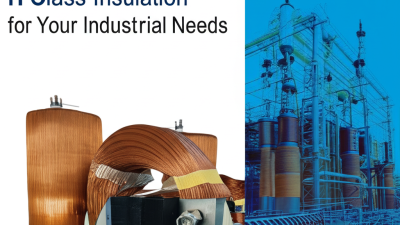
High Temperature Insulation Boards are pretty important in a bunch of industrial settings. Basically, their main job is to handle crazy-high temperatures without messing up the thermal efficiency. Lots of industries rely on these boards to keep things running smoothly and safely. Think power plants, refineries, and even some aerospace stuff—they all use them to keep temperatures stable in tough environments. But, here’s the thing—picking the right kind of insulation board isn’t always straightforward. Not all of them are the same, and choosing the wrong one can lead to a lot of inefficiencies.
These boards are made from some pretty advanced materials, so they’re really tough and durable. Even though they work great, I feel like a lot of companies don't really realize their full potential. Brands like Thermal Solutions Inc. and HeatGuard Corp. are out there pushing to get more people on board, but honestly, there’s still a big gap in understanding how to use them properly. Getting a good handle on the benefits—and knowing what they can’t do—really makes a difference if you want to get the most out of these insulation boards.

Understanding High Temperature Insulation Boards: An Overview
High temperature insulation boards are vital in many industries. They resist extreme heat, making them ideal for furnace linings, kilns, and industrial ovens. These boards maintain structural integrity at high temperatures, which is crucial for efficiency and safety.
When considering materials, it's important to analyze thermal conductivity. A lower thermal conductivity means better insulation. You might find various materials like ceramic, fiberglass, or mineral wool. Each has unique properties that may suit different applications.
Tips: Ensure proper installation to maximize performance. A poorly installed board compromises insulation. Check environmental conditions, too. Moisture can reduce efficiency. Regular inspections will help maintain integrity over time.
High temperature insulation boards can be specified for unique needs. But some boards may be too rigid for certain setups. Reflect on your requirements and adjust accordingly. The right choice improves operational outcomes but requires careful thought.
Key Materials Used in High Temperature Insulation Board Manufacturing
High temperature insulation boards are crucial in various industrial applications. They help manage heat in extreme environments. A key aspect of these boards is the materials used in their production. Common materials include ceramic fibers, mineral wool, and kaolin. Each has unique properties that contribute to overall performance.
Ceramic fibers are lightweight and can withstand high temperatures. This makes them ideal for use in furnaces and kilns. Mineral wool, on the other hand, offers excellent sound absorption. It’s effective in reducing noise while providing thermal insulation. Kaolin, a type of clay, is valued for its strength and stability at high temperatures.
However, the manufacturing process can be challenging. Balancing material properties requires careful consideration. While some materials offer superior insulation, they might be more expensive. Others could be less effective for specific applications. Analyzing these trade-offs is essential for maximizing performance. This complexity can lead to design dilemmas, prompting further refinement and innovation in high temperature insulation solutions.
Properties and Characteristics of High Temperature Insulation Boards
High temperature insulation boards are essential in various industries, particularly in thermal management. These boards typically withstand temperatures exceeding 1,000°F (537°C). They serve as excellent thermal barriers, reducing heat loss and protecting surrounding materials. Moreover, they have low thermal conductivity, which can range from 0.12 to 0.20 W/mK, making them effective insulators in extreme environments.
The properties of these boards contribute greatly to their application. These materials are lightweight yet robust, which simplifies installation. They also often exhibit chemical resistance, adding to their durability. Some studies highlight that high temperature insulation boards can save up to 30% in energy costs in industrial processes. Notably, they help industries comply with sustainability targets while maintaining server room temperatures and improving energy efficiency.
However, not all insulation materials perform the same under specific conditions. Some might lack long-term stability. Each application may require a different insulation type to balance cost and efficiency. The industry must continuously assess material performance. This is crucial as the need for high-temperature applications grows. Further research is necessary to ensure that insulation boards consistently meet demanding operational requirements.
Common Applications of High Temperature Insulation Boards
High temperature insulation boards play a crucial role in various industries. These boards excel in high-heat environments. They are often used in power generation, aerospace, and manufacturing. Their ability to withstand extreme temperatures makes them essential for safety and efficiency.
One common application is in furnace linings. Insulation boards help retain heat while protecting the outer structure. In addition, they are used in kilns and ovens. This prevents heat loss and reduces energy consumption. These applications save costs over time.
Tips: Always check the temperature rating before use. Ensure that the board fits seamlessly in your setup. A small gap can lead to heat escape. In industrial settings, choose boards that meet specific safety standards.
Another area is in automotive and aerospace sectors. Insulation boards are used in engine compartments. They reduce heat transfer, protecting sensitive components. This is critical for optimal performance. However, proper installation is key. Otherwise, efficiency may suffer significantly.
Tips: Inspect your insulation boards regularly. Look for any signs of wear or damage. Replacing them can prevent costly repairs later. Remember, neglecting maintenance could lead to failures.
Comparative Advantages of High Temperature Insulation Boards
High temperature insulation boards are crucial in various industries. They withstand extreme heat, making them essential for applications like aerospace, steel manufacturing, and petrochemicals. According to a report by the Global Insulation Market, the demand for these insulation materials is projected to reach $9 billion by 2025. Their effectiveness lies in their ability to reduce thermal loss, thus promoting energy efficiency.
One of the significant advantages of high temperature insulation boards is their lightweight nature. This feature reduces the burden on construction and machinery. In industrial setups, this can lead to lower operational costs. Furthermore, these boards are often made with non-combustible materials, enhancing safety. This safety aspect is vital for environments that operate under high thermal stress.
The durability of high temperature insulation boards also stands out. Many can endure temperatures exceeding 1000°C without degrading. However, the market is evolving, and there’s a need for continuous improvement. Some boards may still face issues with moisture absorption, impacting performance. Recent studies indicate that addressing these shortcomings could further enhance effectiveness and longevity, driving innovation in the sector.
Installation and Maintenance Guidelines for High Temperature Insulation Boards
High temperature insulation boards are crucial in industries facing extreme conditions. However, the installation process must be meticulous. Improper installation can lead to thermal inefficiencies. According to the International Energy Agency, poor insulation can increase energy costs by up to 30%. This statistic emphasizes the importance of precision in the installation phase.
When installing high temperature insulation, always follow the manufacturer's guidelines closely. The boards should fit tightly together, minimizing gaps. Gaps can allow heat to escape, resulting in significant energy loss. Ensure that all seams and joints are properly sealed. Regular inspections are vital for maintaining insulation integrity. Over time, wear and tear can compromise performance.
Maintenance is often overlooked but is crucial for long-lasting efficiency. Inspect the insulation boards periodically. Look for signs of damage or degradation. Replace any boards that show wear. Regular maintenance can improve system performance by up to 40%, as shown in recent industry reports. All these factors contribute to the overall effectiveness of thermal management systems. Ignoring them can lead to costly repairs down the line.
Future Trends in High Temperature Insulation Technology and Applications
High temperature insulation technology is evolving quickly. As industries focus on energy efficiency, the demand for advanced insulation materials is rising. According to a recent market report, the global high temperature insulation market is projected to reach USD 6.5 billion by 2026. This growth highlights the increasing reliance on these materials in sectors like metallurgy, ceramics, and aerospace.
Tips: Always consider thermal conductivity when selecting insulation materials. Lower conductivity often results in better energy efficiency.
Future trends in high temperature insulation include the development of lightweight and eco-friendly materials. Manufacturers are experimenting with composites and nanotechnology to enhance performance. These innovations aim to solve current issues, such as the need for better durability and resistance. However, there are challenges. The integration of new technologies may face regulatory hurdles.
Tips: Regularly evaluate the performance of insulation materials. Adjustments may be necessary to meet changing industrial needs.
As industries adopt greener practices, the focus on sustainable insulation materials increases. Meanwhile, higher temperatures are being processed, prompting the need for reliable solutions. Continuous research and development are essential to address these evolving demands.
FAQS
: It offers convenience and easy usage. The design enhances user experience significantly. Many find it helpful in daily tasks.
While it is user-friendly, some may find it challenging at first. Beginners could take time to adjust to features.
Regular cleaning is essential. Ensure it stays in good condition to maintain optimal performance over time.
Yes, users should review guidelines. Ignoring instructions can lead to misuse. Safety should always be a priority.
Check the power source and connections first. If issues persist, consult troubleshooting resources for guidance.
It performs well in various settings. However, extreme conditions may affect its functionality. Evaluate environments carefully.
Conclusion
High Temperature Insulation Boards are specialized materials designed to withstand extreme heat while providing excellent thermal insulation. These boards are typically made from key materials such as ceramic fibers, calcium silicate, and other high-temperature resistant substances. Their unique properties, including low thermal conductivity and resistance to thermal shock, make them ideal for a variety of industrial applications, such as in furnaces, kilns, and boilers.
Furthermore, High Temperature Insulation Boards offer numerous advantages over traditional insulation materials, including enhanced durability and reduced weight, which contribute to improved energy efficiency. Installation and maintenance of these boards are crucial for optimal performance, with guidelines emphasizing proper handling and secure fitting to prevent thermal leaks. As industries evolve, future trends indicate an increasing demand for advanced high-temperature insulation technologies, highlighting the importance of ongoing innovation in this field.