In the world of industrial stuff, High Temperature Insulation Boards play a pretty crucial role. A lot of experts agree that really understanding where and how to use these boards can make a big difference in working more safely and efficiently. Take John Smith from Insulation Innovations, for example—he often says, "High Temperature Insulation Boards are key to managing heat effectively in really extreme environments."
These boards pop up in a bunch of industries—think aerospace, auto, and energy sectors. Their knack for standing up to crazy high temperatures makes them super useful when it comes to manufacturing. But here's the thing—many people making buying decisions tend to overlook some important factors. Picking the right one isn't just about how well it insulates; you also need to think about if the material plays nice with other stuff and how you’re gonna install it.
Staying up-to-date with new tech and materials is also a big deal. The industry's always changing, with fresh innovations showing up all the time. So, buyers really gotta stay in the loop. Honestly, it can feel a bit overwhelming trying to keep up. But if you do your homework and chat with the right folks—like experts—you’ll find your way through the maze of high-temperature insulation options pretty smoothly.

High Temperature Insulation Board Overview and Benefits
High temperature insulation boards are essential components in various industries. They provide excellent thermal resistance and durability, making them suitable for extreme conditions. These boards can withstand temperatures exceeding 1,600°F (871°C), catering to industries like aerospace, automotive, and metal processing. According to a recent industry report, the global market for high temperature insulation materials is expected to grow by 5% annually through 2026.
The benefits of high temperature insulation boards are significant. They improve energy efficiency, reducing operational costs. Effective insulation minimizes heat loss. This is crucial in processes such as metal casting or chemical production, where maintaining specific temperatures is vital. Additionally, these boards are lightweight and easy to handle, contributing to operational flexibility.
Tips for buyers: Always consider thermal conductivity ratings when selecting insulation boards. Look for products that offer a balance between cost and performance. Check environmental certifications to ensure sustainability. Many boards also resist mechanical stress; verify this against your application needs. Lastly, consult with professionals in the field to gain insights tailored to your specific requirements, ensuring a well-informed decision.
Key Properties of High Temperature Insulation Boards
High temperature insulation boards are essential in various industrial applications. Their unique properties make them ideal for environments where extreme heat is a concern.
These boards can withstand temperatures exceeding 1000°C, making them suitable for furnaces, kilns, and other thermal management systems. They provide excellent thermal resistance, which helps in energy conservation and safety measures.
The composition of these boards contributes to their effectiveness. Most high temperature insulation boards are made from materials like ceramic fibers or mineral wool. These materials offer low thermal conductivity, minimizing heat transfer. Additionally, they are often lightweight, making them easier to handle and install.
It is worth noting that not all insulation boards perform equally. The effectiveness can vary based on factors such as density and thickness. Buyers should assess their specific needs carefully.
Another point to consider is durability. High temperature insulation boards can degrade over time, especially in fluctuating temperatures or high-humidity environments. This degradation can lead to reduced performance, requiring more frequent replacements.
Understanding the limitations and proper maintenance practices can enhance their longevity. Hence, research and consultation with experts are crucial before purchasing. Buyers must be aware of the real-world performance of these materials, rather than relying solely on specifications.
Common Industries Utilizing High Temperature Insulation Boards
High temperature insulation boards are crucial in various industries. They are used in applications where heat resistance is essential. Industries such as aerospace, automotive, and steel production rely heavily on these materials. Their ability to withstand extreme temperatures makes them ideal for heat shielding and thermal management.
In aerospace, for instance, heat insulation boards protect critical components from high temperatures during flights. They also play a significant role in automotive manufacturing. These boards help in noise reduction and thermal management within vehicles, improving overall efficiency. The steel industry benefits too, as these boards are essential in furnace linings and other high-heat processes.
Tip: When selecting insulation boards, consider their thermal conductivity and temperature rating. Not all boards perform equally under extreme conditions.
Another common use is in the energy sector. High temperature insulation boards help in managing heat in power plants. They safeguard equipment and improve energy efficiency. Industries involved in glass and ceramics also utilize these boards extensively. They assist in maintaining high temperatures while ensuring safety.
Tip: Evaluate the environment where the insulation board will be used. Identify potential challenges that may arise from extreme conditions. Choosing the right type is vital for performance.
Application in Aerospace: Thermal Protection Systems
Aerospace applications have unique challenges. Thermal protection systems are crucial for spacecraft and aircraft. These systems minimize heat transfer during re-entry and other high-temperature scenarios. High temperature insulation boards play a key role in this area. They withstand extreme temperatures while maintaining structural integrity.
In the aerospace sector, these boards are often used in the construction of heat shields. These shields protect equipment and passengers from intense heat. The materials must be lightweight yet durable. Engineers often test various formulations to optimize performance. This process involves trial and error, reflecting the complexity of aerospace engineering.
Despite advancements, challenges persist. Insulation performance may degrade over time, especially under repeated thermal cycling. Continuous improvement is vital. Research focuses on materials that enhance durability and efficiency. Each development offers insights into thermal management, pushing the boundaries of technology in aerospace. Balancing performance and weight remains a key consideration for future innovations.
Use in Industrial Furnaces and Kilns
Industrial furnaces and kilns require materials that can withstand extreme temperatures. High temperature insulation boards are essential for these applications. They provide thermal protection and energy efficiency while preventing heat loss. Ensuring the right insulation can enhance the performance and lifespan of the equipment.
When selecting insulation boards, consider thermal conductivity, density, and maximum service temperature. The boards should match the specific heat requirements of your operation. This will help maintain the efficiency of the furnace or kiln. It's critical to assess the environment where the insulation will be used. Different settings may demand different board properties.
**Tip:** Always conduct a thorough evaluation of your furnace or kiln performance. Regular maintenance and inspection can reveal insulation wear and tear early. Timely replacements can save energy and improve overall functionality.
Another aspect to contemplate is the installation method. Improper installation can lead to inefficiencies and safety hazards. During installation, ensure that gaps are filled properly to avoid thermal bridges. A detailed installation guide can help ensure compliance with safety standards.
**Tip:** Engage with professionals for insulation installation. Their experience can ensure a more effective result. This investment in expertise can ultimately pay off in energy savings and performance enhancement.
Role in Power Generation and Renewable Energy Solutions
High temperature insulation boards play a pivotal role in the realm of power generation and renewable energy. These materials can withstand extreme heat, making them essential for various applications, including solar thermal systems and geothermal power plants. For instance, reports show that the solar energy sector is projected to reach a market value of over $223 billion by 2026, largely driven by innovative insulation technologies.
In geothermal applications, insulation boards reduce energy loss in steam pipelines. This is crucial as studies reveal that maintaining thermal efficiency can increase the overall energy output by as much as 20%. However, the challenges remain. Insulation performance can degrade due to environmental factors and improper installation, leading to significant energy waste. Such limitations underline the need for careful material selection.
While advancements in high-temperature insulation are notable, they are not without flaws. Some products, while rated for high performance, may still falter under specific conditions. It is essential for stakeholders to thoroughly evaluate these materials’ thermal conduction properties and durability. The future of sustainable energy relies heavily on optimizing insulation technologies, prompting continuous innovation and development in this critical sector.
Emerging Trends and Innovations in Insulation Board Technology
Emerging trends in insulation board technology are reshaping various industries. Recent reports indicate that the global insulation market is projected to grow by over 30% from 2023 to 2030. This surge is largely driven by increasing energy efficiency regulations and the need for sustainable building solutions.
Innovations in high-temperature insulation boards are particularly notable. Materials such as aerogels and advanced ceramic fibers are gaining traction. These materials offer enhanced thermal resistance and lighter weight, leading to greater application versatility. For instance, ceramic fiber boards can withstand temperatures exceeding 1,800°C, making them perfect for industrial furnaces. The shift towards greener insulation has also introduced bio-based materials, which exhibit promising thermal performance while minimizing environmental impact.
However, challenges persist. The manufacturing processes for these advanced materials can be costly. Many companies are struggling to scale production while maintaining quality. Additionally, the market faces fluctuations in raw material availability, impacting pricing and supply chains. Buyers should carefully assess the balance between performance and cost-effectiveness when exploring their options in high-temperature insulation boards.
Top 10 High Temperature Insulation Board Applications for Buyers
| Application |
Temperature Range (°C) |
Key Features |
Material Type |
| Industrial Furnaces |
800-1400 |
High thermal resistance, low thermal conductivity |
Ceramic fiber |
| Boiler Insulation |
200-1000 |
Durable, moisture resistant |
Mineral wool |
| Refractory Linings |
1000-1600 |
Resistant to thermal shock |
High alumina |
| Heat Exchangers |
300-900 |
Efficient heat transfer |
Fiberglass |
| Pipeline Insulation |
50-400 |
Reduces heat loss, moisture resistant |
Polyurethane |
| Aerospace Insulation |
150-1200 |
Lightweight, high-performance |
Aerogel |
| Fireproof Door Panels |
200-500 |
Non-combustible, durable |
Calcium silicate |
| Hot Air Ducts |
100-500 |
Easy installation, lightweight |
Mineral board |
| Incinerators |
600-1200 |
High durability, resistant to corrosive environments |
Firebrick |
| Glass Manufacturing |
500-1000 |
Thermal stability, low shrinkage |
Silica board |
The Advantages and Applications of China High Quality Laminated Bus Bars in Modern Electrical Systems
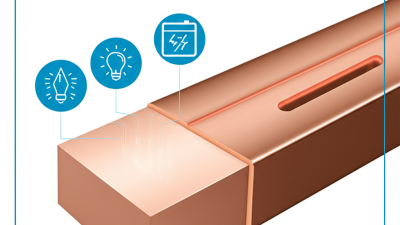
Laminated bus bars, often referred to as composite bus bars or low inductance bus bars, play a crucial role in contemporary electrical systems due to their superior performance characteristics and versatility. These engineered components comprise multiple layers of copper conductive material, interspersed with thin dielectric materials. This unique construction not only enhances their electrical conductivity but also minimizes inductance, making them highly effective for applications that require high-frequency operations.
The advantages of using high-quality laminated bus bars in electrical systems are well-documented in various industry reports. According to a recent study by the Electrical and Electronics Manufacturers Association, laminated bus bars can reduce energy losses by up to 30% when compared to traditional bus systems. This efficiency is particularly beneficial for industries such as renewable energy, where power integrity is paramount. Additionally, the compact design of laminated bus bars allows for easier integration into tighter spaces, simplifying installation while maintaining a robust electrical connection.
Furthermore, the applications of laminated bus bars span a wide range, from electric vehicles and renewable energy systems to data centers and industrial power distribution. Their ability to withstand high current loads while providing excellent thermal management contributes to their growing popularity. Industry forecasts indicate that the demand for laminated bus bars will continue to rise, driven by advancements in power electronics and an increasing focus on energy efficiency in electrical infrastructure.
FAQS
: They are used in industries where heat resistance is essential, like aerospace and automotive.
They can handle temperatures exceeding 1,600°F (871°C), crucial for high-heat processes.
They minimize heat loss, reducing operational costs in processes like metal casting.
Always check thermal conductivity ratings and balance cost with performance for effective choices.
They protect critical components from high temperatures during flights, supporting overall safety.
Aerogels and advanced ceramic fibers provide better thermal resistance and lighter weight.
The shift to greener materials has introduced bio-based options but can complicate manufacturing.
Yes, fluctuations in raw material availability can affect pricing and supply chains.
They assist in noise reduction and thermal management within vehicles, enhancing overall performance.
Key sectors include steel production, energy, and glass manufacturing for their heat management needs.
Conclusion
High Temperature Insulation Boards are essential materials widely used across various industries for their exceptional thermal resistance and durability. These boards offer significant benefits, including enhanced energy efficiency and improved safety in high-heat environments. Their key properties, such as low thermal conductivity and high mechanical strength, make them ideal for applications in aerospace, where they are utilized in thermal protection systems, as well as in industrial furnaces and kilns for heat retention.
Furthermore, these insulation boards play a vital role in power generation and renewable energy solutions, helping to optimize performance and reduce operational costs. As technology advances, emerging trends are shaping the future of High Temperature Insulation Boards, leading to innovative solutions that cater to the evolving needs of industries seeking efficient thermal management.