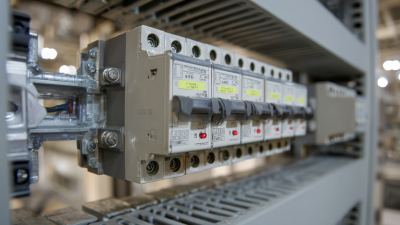
In the world of electrical engineering, the Insulation Bus Bar is actually pretty important. It’s one of those components that you might not think about every day, but it’s crucial for safely distributing electricity across different setups. Both folks who make these parts and those who install or use them really should understand what they do and why they matter.
So, an Insulation Bus Bar is basically a conductive strip supported by insulating material. It serves as a connector that links multiple electrical circuits, making sure the current flows smoothly where it’s supposed to. Companies like Schneider Electric get just how valuable these are in modern wiring systems. That said, not all Insulation Bus Bars are the same—there’s quite a bit of difference in quality, and that can impact how well they perform and how safe they are.
Getting to know how an Insulation Bus Bar works really helps when it comes to designing and installing electrical systems. It makes you ask the important questions—like, are we choosing the right materials? Are we meeting safety standards? Thinking back on past projects is also a good way to learn and improve future setups. At the end of the day, making sure you’re using Insulation Bus Bars correctly just makes the whole system more reliable and safe for everyone involved.

What is an Insulation Bus Bar?
An insulation bus bar is a crucial component in electrical systems, designed to distribute power safely. It acts as a connector for multiple circuits, allowing electricity to flow efficiently. Insulation bus bars are typically constructed from materials like aluminum or copper, which are known for high conductivity. Insulation materials, such as fiberglass or epoxy, provide protection against electrical faults.
The significance of insulation bus bars is underscored by recent industry reports. According to a 2022 study by the International Electrotechnical Commission, a faulty insulation system can lead to a 15% increase in energy costs for businesses. This statistic highlights the importance of reliable insulation methods. Additionally, proper insulation can prevent overheating, reducing the risk of equipment failure.
Designing an insulation bus bar requires attention to detail. Engineers must consider factors like load capacity, environmental conditions, and installation requirements. Mistakes in design can lead to severe implications, including electrical hazards and operational downtime. Continuous monitoring and improvements in materials and designs are essential to enhance the existing insulation techniques. Regular assessments can identify hotspots or weaknesses in the system, ensuring optimal performance.
Key Components of an Insulation Bus Bar
An insulation bus bar plays a vital role in electrical systems. It serves as a conductor that connects various components. Understanding its key components helps clarify how it functions.
The primary component is the conductive material. This is often copper or aluminum. These metals are known for their excellent conductivity. They ensure minimal energy loss during transmission. Another essential part is the insulation layer. This layer protects against electrical leakage. It serves to prevent short circuits and enhances safety.
Support structures are also crucial. They hold the bus bar in place and maintain optimal spacing. Using quality materials for these supports ensures durability. Furthermore, bolts and connectors are necessary for secure junctions. Loose connections can lead to increased resistance and failure. Regular inspection of these components can reveal hidden issues. Ignoring wear and tear can result in significant problems later. Understanding these components aids in better maintenance practices.
What is an Insulation Bus Bar and How Does it Work? - Key Components of an Insulation Bus Bar
| Component |
Material |
Function |
Advantages |
| Conductive Bar |
Copper or Aluminum |
Transfers electrical energy |
High conductivity and low resistance |
| Insulation Layer |
PVC or Epoxy Resin |
Prevents electrical discharge |
Durability and heat resistance |
| Support Structure |
Steel or Aluminum |
Holds bus bar in place |
Structural strength and stability |
| End Caps |
Plastic or Metal |
Seals the ends of the bus bar |
Protection against environmental factors |
How Insulation Bus Bars Function in Electrical Systems
Insulation bus bars play a crucial role in electrical systems. They collect, distribute, and transfer electrical power. With the growth of renewable energy, their demand is rising. These components help manage high currents and reduce losses. A report from the International Energy Agency states that the insulating properties of materials used in bus bars are essential for safe operation.
Insulation bus bars function by providing both mechanical support and electrical insulation. They keep conductors separated to prevent short circuits. These bars are often made from materials like epoxy resin or fiberglass, which provide high dielectric strength. This construction choice helps maintain system efficiency. In optimal conditions, insulation bus bars can reduce energy losses by 5-10%, according to industry studies.
Tips: Regular maintenance is important. Check for wear and tear. Even small cracks can lead to bigger issues. Always consider environmental factors that may affect performance. Humidity and temperature fluctuations can impact insulation properties. Monitoring these conditions is vital for long-term reliability.
Insulation Bus Bar Performance Metrics
This bar chart illustrates the key performance metrics of insulation bus bars used in electrical systems, showcasing their efficacy in preventing electrical leakage and enhancing safety across various voltage levels.
Advantages of Using Insulation Bus Bars
Insulation bus bars are essential in electrical systems. They connect various components while preventing short circuits and electrical leaks. Using insulation bus bars offers several advantages. One major benefit is improved safety. The insulation layer minimizes the risk of electrical shock, protecting both equipment and personnel.
Another advantage is space efficiency. Insulation bus bars can consolidate wiring, reducing clutter in control panels. They often take up less room than traditional wiring methods. This compact design can lead to better airflow and cooling in electrical cabinets, enhancing performance.
Cost savings can also be a significant factor. Insulation bus bars typically require less maintenance over time. However, the initial investment might be higher than standard wiring. Some may find this trade-off challenging. Overall, the long-term benefits often outweigh these initial costs. As industries evolve, insulation bus bars may become increasingly vital in future electrical systems.
Applications of Insulation Bus Bars in Industry
Insulation bus bars play a vital role in various industries. They are used to connect different electrical components safely. Their primary function is to conduct electricity while minimizing the risk of short circuits. According to a recent industry report, the demand for insulation bus bars is expected to grow by 5.6% annually. This growth stems from the rise in renewable energy projects and electric vehicles.
In manufacturing plants, insulation bus bars help maintain system efficiency. They are essential in power distribution units and switchgear. Their design allows for high current capacity while ensuring safety. In data centers, they prevent overheating and energy losses. A study shows that well-designed bus bars can reduce energy consumption by up to 15%. However, the initial cost can be a barrier, particularly for small enterprises. This raises the question: are the long-term savings worth the upfront investment?
In the renewable energy sector, insulation bus bars are critical for solar and wind energy systems. Research indicates that proper insulation can improve performance, especially in harsh environments. The challenge is finding materials that offer both durability and cost-effectiveness. Some manufacturers struggle with the trade-off between price and quality. The quest for the ideal insulation bus bar continues as technology evolves.
Maintenance and Safety Considerations for Insulation Bus Bars
Insulation bus bars play a vital role in electrical systems, but they require regular maintenance. According to industry reports, improper upkeep can lead to failures. About 30% of electrical failures stem from inadequate maintenance practices. These practices include regular visual inspections and thermal imaging to detect hot spots.
Safety should never be overlooked. Follow standard safety protocols when conducting maintenance. Ensure that power is disconnected before inspections. A recent survey indicated that over 40% of equipment failures arise from neglecting safety. Additionally, proper insulation testing can prevent electrical shorts, which pose fire hazards.
Yet, many operations underestimate these risks. Staff training is often neglected. Only 25% of maintenance teams receive adequate training on insulation bus bar systems. This gap can lead to severe accidents. Reflecting on maintenance routines is crucial. Improving practices can reduce potential hazards and downtime. Investing time and resources in safety measures can pay off significantly in the long run.
Comparing Insulation Bus Bars to Traditional Bus Bars
Insulation bus bars are designed to enhance safety and efficiency in electrical systems. Unlike traditional bus bars, which are typically made of conductive metals like copper or aluminum, insulation bus bars are encased in a protective insulating material. This design prevents accidental contact with energized components. It reduces the risk of short circuits and electrical shocks.
Traditional bus bars operate efficiently but are more susceptible to environmental factors. They can be affected by moisture and dust, leading to corrosion over time. Insulation bus bars, on the other hand, provide an extra layer of defense. This robustness helps in maintaining performance in tough conditions. However, they can be bulkier, which might limit space availability in certain configurations.
One should also consider the installation complexity of insulation bus bars. They may require more meticulous planning due to their insulating properties. This adds time and cost to system setup. Not all applications suit insulation bus bars perfectly. Sometimes, a conventional bus bar may suffice. Evaluating needs is essential for optimal choices in electrical systems.
Conclusion
An Insulation Bus Bar is a critical component in electrical systems, designed to conduct electricity while providing a high degree of safety. Comprised of key components such as conductive bars and insulating features, these bus bars effectively manage electrical currents while reducing the risk of short circuits and enhancing overall system reliability. They operate by allowing the transfer of power between devices within a circuit, contributing to a more efficient energy distribution.
The advantages of using Insulation Bus Bars include improved safety, reduced electrical losses, and increased space efficiency within electrical panels. Commonly found in industrial applications, these bus bars play a vital role in electrical distribution, from substations to renewable energy systems. Additionally, regular maintenance and adherence to safety standards are crucial for the efficient operation of Insulation Bus Bars, ensuring they remain a preferred choice over traditional bus bars in many applications.