• facebook
  • sns04
  • twitter
  • linkedin
Call Us:+86-13568272752
0%

Getting your power distribution spot-on is pretty crucial if you want modern electrical systems to run smoothly and reliably. This is especially true for kinda demanding setups like data centers, electric vehicles, or renewable energy sites. Now, one of the best ways to boost efficiency here is by using Low Inductance Busbars. They’re a real game changer compared to the usual busbar designs because they cut down on inductance. That means current flows more smoothly and with fewer losses, which really amps up the overall performance of the system.

In this rundown of the Top 10 Benefits of Low Inductance Busbars, we’ll take a closer look at how these fancy components help with better thermal management, cut down electromagnetic interference, and make the whole system more dependable. As industries are shifting more and more towards electrification and energy-saving solutions, understanding what Low Inductance Busbars bring to the table isn’t just nice to know — it’s pretty much essential. From making things safer to easier to install, these busbars are a big step forward in electrical engineering. Honestly, they’re becoming a must-have for any project aiming for top-notch power delivery.

Top 10 Benefits of Low Inductance Busbars for Efficient Power Distribution

Benefits of Low Inductance Busbars in Power Distribution

Low inductance busbars are becoming increasingly vital in modern power distribution systems due to their numerous benefits. One of the primary advantages is their ability to minimize voltage drop and power losses, which is essential for enhancing the overall efficiency of electrical installations. By reducing inductance, these busbars ensure that electrical energy is distributed more effectively across various loads, resulting in lower operating costs and improved overall system performance.

Moreover, low inductance busbars contribute significantly to improved thermal management within power distribution systems. The reduced resistance leads to lower heat generation, which not only prolongs the lifespan of the busbars themselves but also protects adjacent components from heat-related damages. This characteristic is crucial in high-demand environments where consistent performance is essential. Additionally, the compact design of low inductance busbars facilitates easier integration into existing systems, promoting flexibility in design and installation while ensuring reliability and safety in power distribution.

Understanding Inductance and Its Impact on Power Systems

Top 10 Benefits of Low Inductance Busbars for Efficient Power Distribution

Inductance is a fundamental property in electrical systems that affects how power is distributed and utilized. In power distribution systems, inductance can lead to energy losses and inefficiencies, as the reactance associated with inductive loads can create phase shifts between voltage and current. According to industry reports, such as those from the Institute of Electrical and Electronics Engineers (IEEE), inductance in busbars and other components can lead to up to a 15% increase in system losses. This inefficiency can translate to higher operational costs and degraded system performance over time.

Low inductance busbars are specifically designed to minimize these effects, facilitating more efficient power distribution. As noted in a comprehensive review by the Electric Power Research Institute (EPRI), such busbars can improve power quality and reduce harmonics, contributing to a more reliable electrical infrastructure. By lowering the inductive reactance, these busbars help maintain a consistent voltage level, which is crucial for sensitive equipment in industrial settings. Furthermore, operational studies have shown that systems utilizing low inductance busbars can enhance overall energy efficiency by approximately 10%, leading to significant cost savings for organizations committed to improving their electrical footprint.

Enhanced Efficiency Through Reduced Power Losses

Low inductance busbars play a crucial role in enhancing the efficiency of power distribution systems by significantly reducing power losses. Traditional conductors tend to exhibit higher inductance, which can lead to increased resistance and energy dissipation during the transmission of electrical power. By contrast, low inductance busbars are designed to minimize the magnetic fields and interference during operation, ensuring that more energy is delivered to the end-user with minimal loss. This efficiency not only optimizes the performance of electrical systems but also supports the longevity of components by reducing heat generation associated with energy dissipation.

Moreover, the implementation of low inductance busbars can lead to enhanced operational reliability. With lower power losses, systems can maintain stability under various load conditions, which is particularly vital in critical applications such as data centers or industrial plants. The reduction in energy waste contributes to lower operational costs and a smaller carbon footprint, making these busbars an increasingly appealing solution for businesses focused on sustainability. Through the use of low inductance designs, organizations can effectively improve their energy management practices while delivering consistent and reliable power to their operations.

Improved Heat Management and Thermal Performance

Low inductance busbars have emerged as a crucial component for enhancing thermal performance and managing heat effectively in power distribution systems. A key advantage of these busbars is their ability to minimize heat generation due to lower impedance, which results in increased energy efficiency. According to a report by the International Electrotechnical Commission (IEC), implementing low inductance solutions can reduce heat losses by up to 30%, significantly improving the longevity of electrical components while ensuring safer operation.

Effective heat management is not just about reducing temperatures; it also involves optimizing the entire thermal environment of electrical systems. Low inductance busbars facilitate better airflow and heat dissipation, preventing hotspots that can lead to failures. Research by the Electric Power Research Institute (EPRI) indicates that systems utilizing low inductance configurations have demonstrated up to a 40% improvement in thermal performance compared to traditional setups, which ultimately supports more robust and reliable power distribution networks.

Tips for enhancing thermal management include ensuring proper spacing between busbars to promote airflow and regular thermal imaging inspections to identify any potential hotspots before they become critical issues. Additionally, integrating phase separation techniques can further improve heat distribution, thereby maximizing the effectiveness of low inductance busbars in various applications.

Top 10 Benefits of Low Inductance Busbars for Efficient Power Distribution

This chart illustrates the top 10 benefits of using low inductance busbars in power distribution systems, focusing on improved heat management and thermal performance.

Minimizing Electromagnetic Interference in Electrical Systems

Low inductance busbars play a crucial role in minimizing electromagnetic interference (EMI) within electrical systems, which is essential for maintaining reliable performance and avoiding disruptions. By providing a low-resistance pathway for electric current, these busbars reduce the generation of magnetic fields that can interfere with nearby electronic components. The design of low inductance busbars typically incorporates close conductor spacing and short lengths, which mitigates the loop area through which magnetic fields can penetrate, substantially lowering the potential for EMI.

Moreover, the effective management of EMI not only enhances the operational efficiency of electrical systems but also prolongs the lifespan of sensitive devices. When electromagnetic interference is kept at bay, systems can function more reliably, reducing the risk of malfunctions and costly repairs. This attribute is especially beneficial in environments where precision is critical, such as in data centers or automated manufacturing facilities. Utilizing low inductance busbars allows engineers to create robust power distribution networks that are less susceptible to the adverse effects of electromagnetic noise, ensuring optimal operation across a wide range of applications.

Top 10 Benefits of Low Inductance Busbars for Efficient Power Distribution

Benefit Description Impact Level Application Areas
Reduced Electromagnetic Interference (EMI) Minimizes noise and disruption to sensitive electronics. High Data Centers, Medical Equipment
Improved Thermal Management Dissipates heat more efficiently than traditional busbars. Medium Industrial Machines, Power Stations
Higher Current Carrying Capacity Supports greater electrical loads without overheating. High Renewable Energy Systems, Rail Transport
Compact Design Allows for reduced space requirements in installations. Medium Consumer Electronics, Automotive
Enhanced System Reliability Reduces likelihood of failures due to electrical interference. High Telecommunications, Aerospace
Cost-Effective Over Time Reduces maintenance and replacement costs. Medium Commercial Buildings, Factories
Flexibility in Design Can be customized for specific project needs. Medium Modular Systems, Custom Equipment
Greater Safety Minimizes risks of short circuits and electrical fires. High Power Distribution, Heavy Machinery
Environmental Compliance Can be designed with eco-friendly materials. Medium Green Energy Initiatives, Sustainable Design
Reduced Installation Time Simplified setup reduces labor costs and time. Medium Construction Projects, Electrical Upgrades

Cost-Effectiveness of Low Inductance Busbar Solutions

Top 10 Benefits of Low Inductance Busbars for Efficient Power Distribution

Low inductance busbars are increasingly recognized for their cost-effectiveness in power distribution systems. According to a report by Research and Markets, the global busbar market is expected to reach over $8 billion by 2026, driven largely by the need for efficient and reliable power systems. The implementation of low inductance busbars significantly reduces energy losses associated with power transmission, which is critical in both industrial and commercial applications. By offering lower resistance and better thermal performance, these busbars help facilities cut down on energy consumption, leading to substantial savings on utility bills.

Moreover, the economic benefits extend beyond just direct energy savings. A study published by the International Journal of Electrical Power & Energy Systems highlighted that optimizing power distribution with low inductance designs can result in reduced maintenance costs. With their enhanced ability to handle high currents without overheating, low inductance busbars contribute to lower failure rates and longer equipment life. As a result, companies can allocate fewer resources to repairs and replacements, allowing them to invest more in growth and innovation. By embracing low inductance solutions, organizations not only achieve more efficient power management but also realize a more favorable total cost of ownership in their power distribution infrastructure.

Applications and Future Trends in Busbar Technology

Busbar technology has evolved significantly, driven by the need for more efficient power distribution in various applications. The performance of low inductance busbars is becoming increasingly critical in sectors such as renewable energy, electric vehicle charging stations, and industrial automation. These applications benefit from the reduced inductance, which minimizes energy losses and enhances overall system efficiency. For instance, in renewable energy setups, low inductance busbars allow for more reliable interconnections between solar panels and inverters, improving energy harvest and converting efficiency.

Looking towards the future, advancements in materials and design could further enhance the capabilities of busbars. Innovations like lightweight materials and smart busbar systems that incorporate monitoring technology are becoming prevalent. These developments will not only support the ever-growing demand for power but also enable better integration with smart grids and energy storage solutions. As industries focus on sustainability, the adoption of more efficient busbar technologies will play a pivotal role in meeting energy demands while reducing environmental impacts.

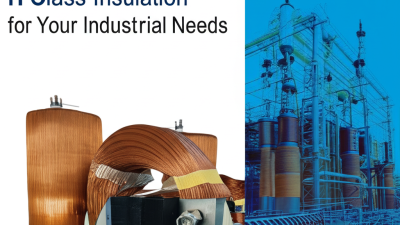
An In-Depth Analysis of the Growing Demand for 6643 F-class DMD Flexible Composite Insulation Paper in Electrical Insulation Markets: Trends and Projections

The growing demand for 6643 F-class DMD flexible composite insulation paper is a clear indication of the evolving needs within the electrical insulation markets. This innovative three-layer insulation solution, featuring a modified polyester film bonded with polyester non-woven fabric and coated with F-class electrical insulating resin, serves a crucial role in enhancing the performance and durability of electric motors. With its unique composition, 6643 DMD is particularly well-suited for applications requiring slot insulation, interphase insulation, and liner insulation.

As the electrical industry continues to automate processes, the 6643 F-class DMD insulation paper stands out as an ideal choice for mechanized inserting slot processes. It not only improves efficiency but also ensures compliance with safety standards, having successfully passed SGS testing for toxic and hazardous substance detection. The versatility and reliability of this insulation paper make it increasingly popular in the production of F-class electric motors. Trends indicate a steady growth in its application, reflecting the industry's commitment to adopting advanced materials that promote both performance and environmental safety.

FAQS

: What is inductance and why is it important in power systems?

: Inductance is a fundamental electrical property that influences power distribution and usage, affecting efficiency and leading to potential energy losses and increased operational costs in power systems.

How do low inductance busbars improve power quality?

Low inductance busbars minimize inductive reactance, helping maintain consistent voltage levels and reducing harmonics, which enhances power quality and reliability in electrical infrastructures.

What benefits do low inductance busbars offer in terms of energy efficiency?

Systems using low inductance busbars have demonstrated an approximate 10% improvement in energy efficiency, translating to significant cost savings for organizations.

How do low inductance busbars contribute to thermal performance?

They reduce heat generation due to lower impedance, resulting in better heat management, improved airflow, and diminished hotspots, significantly enhancing thermal performance in power distribution systems.

What economic advantages are associated with low inductance busbars?

Low inductance busbars reduce energy losses and maintenance costs, leading to lower utility bills and fewer resources spent on repairs and replacements, ultimately enhancing the total cost of ownership in power distribution.

What measures can be taken to optimize thermal management in conjunction with low inductance busbars?

Proper spacing between busbars for airflow, regular thermal imaging inspections to detect hotspots, and implementing phase separation techniques can enhance thermal management alongside low inductance busbars.

What impact can low inductance busbars have on the longevity of electrical components?

By reducing heat losses by up to 30%, low inductance busbars can improve the longevity of electrical components, ensuring safer operation and sustaining system reliability.

How can low inductance busbars help reduce system losses in power distribution systems?

By minimizing the inductive reactance, low inductance busbars can lead to reductions in system losses of up to 15%, thus improving overall system performance.

Why is effective heat management important in electrical systems?

Effective heat management prevents overheating and potential failures, optimizing the thermal environment and ensuring the reliability of power distribution networks.

What future trends are expected for the adoption of low inductance busbars in the market?

The global busbar market is projected to grow significantly due to the increasing demand for efficient and reliable power systems, leading to more widespread adoption of low inductance busbar solutions.

Conclusion

Low Inductance Busbars are becoming increasingly important in the realm of efficient power distribution. These components significantly enhance system performance by reducing power losses, which, in turn, contributes to overall energy efficiency. By lowering inductance, these busbars improve thermal management and heat dissipation, which can lead to enhanced reliability of electrical systems.

Additionally, Low Inductance Busbars help to minimize electromagnetic interference, making them ideal for sensitive applications. Their cost-effectiveness and adaptability to various applications suggest a bright future for busbar technology as the demand for efficient power distribution continues to grow. As industries evolve, the incorporation of Low Inductance Busbars may drive advancements in performance and sustainability within electrical systems.

Ethan

Ethan

Ethan is a dedicated marketing professional at Sichuan D&F Electric Co., Ltd., a reputable manufacturer and supplier established in 2005. Located in the vibrant Jinshan Industrial Park of Deyang, Sichuan, D&F specializes in providing high-quality electrical connection components and electrical......
Previous Exploring the Unique Properties and Applications of Best Nomex T410 Film: A Comprehensive Guide for Buyers