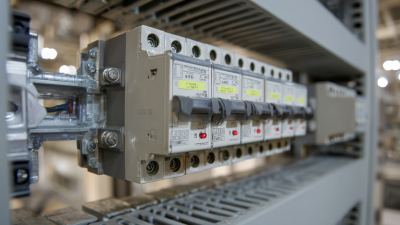
You know, Metal Bus Bars are pretty essential when it comes to electrical distribution systems. Basically, they act as the main highways for electricity, connecting different circuits and helping cut down on energy loss. Getting a grasp on how they’re built and what they do can really help make systems safer and more efficient.
In industrial setups especially, Metal Bus Bars are great because they keep overheating at bay—they’re capable of handling high currents with ease. There are all sorts of materials and designs out there, but the goal’s always the same: max out on conductivity. Companies like Schneider Electric and Siemens are constantly pushing the envelope to improve things.
Of course, if there are flaws in the design or if they’re not installed right, big problems can pop up—things like corrosion or performance dips. That’s why regular check-ups and maintenance are super important. When you pay attention to the little details and understand where things can go wrong, it’s easier to see just how vital Metal Bus Bars are in keeping modern electrical systems running smoothly.
Metal bus bars play a critical role in electrical distribution systems. They are conductive bars made primarily from copper or aluminum. Their main purpose is to collect and distribute electric power efficiently. This design allows for high current loads without excessive heat buildup.
In industrial and commercial applications, bus bars connect various components such as transformers, circuit breakers, and switches. They reduce wiring complexity. By serving as a central point, they simplify maintenance and improve safety. However, improper design or installation can lead to inefficiencies. This could result in overheating or even system failures over time.
Understanding the specifications such as size, material, and rating is essential. Each component needs to match the specific application requirements. Experienced professionals often oversee these careful considerations. Their guidance ensures reliability in performance. While bus bars provide significant advantages, mistakes in their implementation can lead to costly downtimes and repairs.
Metal bus bars are crucial in electrical systems. They function as conductive pathways for distributing power. The effectiveness of a bus bar depends significantly on the materials used in its construction.
Copper and aluminum are the primary materials for bus bars. Copper is favored for its excellent conductivity. However, it is heavier and more expensive. Aluminum provides a lighter alternative, yet its conductivity is lower. Engineers often weigh these factors when designing systems.
Other materials may also be used in specific applications. Stainless steel offers high corrosion resistance but has a higher electrical resistance. This can impact performance. Each choice has its benefits and drawbacks. Understanding these nuances is key to effective design.
Metal bus bars are essential in electrical systems, serving as conductors for distributing power. There are several types of metal bus bars, each with unique applications. The most common materials include copper and aluminum, chosen for their excellent conductivity. Copper bus bars handle high currents and are often used in electrical distribution panels. Aluminum bars, while lighter and less expensive, are suitable for less demanding applications.
Different designs exist to meet specific needs. For instance, flat bus bars are typically used in switchgear and battery connections. Round bus bars are often utilized in motor applications due to their structural integrity. Additionally, insulated bus bars are vital for safety, preventing short circuits during operation.
Understanding the right type is crucial for efficiency. However, choosing a bus bar can be challenging due to various factors. The environmental conditions, such as humidity or temperature fluctuations, can significantly impact their performance. In some cases, installations may require additional fittings or protective coatings, complicating the process further. Accurate calculations are vital to ensuring safety and reliability in electrical setups.
Metal bus bars are crucial components in electrical systems. They serve as conductive pathways, distributing energy from power sources to various circuits. The working principle of metal bus bars relies on their ability to carry large currents with minimal resistance. Typically made from copper or aluminum, they efficiently regulate electrical flow.
In practice, the design of bus bars can vary significantly. Factors like material thickness and cross-sectional area directly impact their performance and heat dissipation capabilities. According to industry reports, a well-designed bus bar can handle up to 10,000 amperes or more. However, if improperly sized, they may overheat and lead to system failures. Engineers must be meticulous when calculating load requirements.
Installation plays a crucial role in the efficiency of bus bars. Improper alignment and inadequate support can cause mechanical stress. This stress may compromise electrical conductivity. Regular inspections and maintenance are essential to ensure optimal functioning. Awareness of these potential issues can enhance reliability and safety in electrical installations.
| Attribute | Description |
|---|---|
| Material | Copper or Aluminum |
| Function | Distributing electrical power to multiple circuits |
| Installation | Mounted on insulators, connected to power sources |
| Applications | Power distribution in substations, buildings, and industrial setups |
| Advantages | High conductivity, Low resistance, Compact design |
| Maintenance | Regular inspections for corrosion and tight connections |
| Safety | Proper insulation and grounding required to prevent short circuits |
Metal bus bars play a crucial role in electrical installations. These conductive bars distribute electricity within a system efficiently. They can handle high currents, making them ideal for industrial settings. Their compact design often saves space compared to traditional wiring methods. This space-saving feature is particularly advantageous in areas with limited room for installations.
Using metal bus bars also enhances safety. They minimize the risk of loose connections that may lead to electrical fires. The sturdy construction of bus bars can withstand electrical surges better than smaller wires. Additionally, installing bus bars is often quicker and more straightforward. This reduced installation time can lead to overall cost savings for projects.
However, it’s essential to consider some downsides. Metal bus bars can be more expensive initially compared to traditional methods. They also require proper maintenance to ensure long-term reliability. If corrosion occurs, it can compromise their effectiveness. Therefore, regular inspections and careful planning are crucial for maximizing their benefits.
Metal bus bars are crucial for efficient electrical distribution. Proper installation is key to ensuring safety and reliability.
Start by selecting the right materials based on the environment. High humidity or corrosive areas require special coatings. Ensure your design allows easy access for future maintenance. Accessibility is often overlooked but invaluable.
For installation, use proper fixtures and support systems to prevent sagging. Alignment matters. Misalignment can lead to excessive wear and even failures. Pay attention to thermal expansion and allow for movement.
**Tip:** Regular inspections can catch early signs of wear. Look for discoloration or corrosion.
Maintenance should include cleaning and tightening connections regularly. A loose connection can lead to increased resistance and overheating. Inspect joints and junction points, as they are often the weakest links.
**Tip:** Document maintenance activities. This creates a reliable history for troubleshooting.
In conclusion, focusing on these installation and maintenance practices can significantly extend the lifespan of metal bus bars.
Metal bus bars are crucial components in electrical systems. However, they can face various issues over time. One common problem is poor connectivity. Corrosion can build up on the contact points, leading to increased resistance. This can cause overheating and potential system failures. Regular inspections can prevent this. Cleaning the contact surfaces often helps maintain connectivity.
Another challenge is the physical damage to bus bars. Heavy vibration or impacts may lead to cracks or breaks. This often goes unnoticed until a significant disruption occurs. Ensuring proper mounting and using vibration damping materials can mitigate this risk. Additionally, bus bars must be sized correctly for the expected currents to avoid failures.
Overcurrent conditions can also pose a threat. If the bus bar carries more current than intended, it may overheat. This can lead to warping or melting. Installing circuit breakers or fuses can provide extra protection. Troubleshooting these issues requires a methodical approach, combining visual inspection with electrical testing to ensure reliability in performance.
The ongoing evolution in electrical engineering emphasizes the significance of efficiency and reliability in power distribution systems. One notable innovation at the forefront of this transformation is the laminated bus bar, also known as a composite or low inductance bus bar. This engineered component is essential for modern electrical applications, as it incorporates layers of fabricated copper conductive materials interspersed with thin dielectric materials, all of which are laminated into a single, cohesive structure.
The design of laminated bus bars minimizes inductance, allowing for superior performance in power transmission while reducing energy losses. As power systems become increasingly complex and demands on electricity infrastructure rise, these components stand out for their ability to handle high currents effectively, ensuring stable and efficient power distribution. Furthermore, the durability and structural integrity of laminated bus bars contribute to enhanced reliability in critical applications, safeguarding against failures that could lead to significant operational disruptions.
As the industry continues to embrace more sustainable and efficient technologies, the transition towards laminated bus bars represents a pivotal trend that enhances overall system performance, proving invaluable for engineers and designers focused on optimizing power distribution solutions.
: Metal bus bars distribute power in electrical systems. They serve as conductive pathways for energy flow.
Copper and aluminum are the main materials. Each has unique qualities that affect performance.
Copper offers excellent conductivity. However, it is heavier and more expensive than aluminum.
Aluminum is lighter but has lower conductivity. This can affect the efficiency of power distribution.
Corrosion can build up at contact points, leading to increased resistance and overheating.
Heavy vibrations or impacts can cause cracks or breaks. This damage may go unnoticed until it disrupts the system.
Installing circuit breakers or fuses can help protect bus bars from overheating and potential failures.
Proper alignment and support are crucial. Poor installation can lead to mechanical stress and compromised conductivity.
Regular inspections and cleaning contact surfaces can help maintain optimal connectivity and performance.
Material thickness, cross-sectional area, and load requirements are critical. Miscalculations can lead to significant system issues.
A Metal Bus Bar is a crucial component in electrical systems, serving as a conductive pathway for electricity to distribute power efficiently. Typically made from materials like copper or aluminum, metal bus bars are designed to handle high electrical currents, making them essential for various applications in commercial and industrial settings. There are several types of metal bus bars, each suited for specific functions, ranging from power distribution to grounding.
The working principle of metal bus bars involves their ability to facilitate the flow of electricity with minimal resistance. This efficiency provides numerous advantages, including reduced electrical losses and simplified circuit designs. Proper installation and regular maintenance are critical to ensuring their reliability, while common issues such as overheating or corrosion can be effectively managed through troubleshooting practices. Understanding these aspects of metal bus bars is essential for optimizing electrical installations and enhancing system performance.