• facebook
  • sns04
  • twitter
  • linkedin
Call Us:+86-13568272752
0%

You know, in the world of electrical infrastructure that’s constantly changing and evolving, a Plated Copper Bus Bar really can’t be overlooked. I came across a report from the International Copper Association that said demand for efficient electrical conductors is expected to jump about 15% over the next decade — that’s pretty significant. The Plated Copper Bus Bar offers a pretty compelling solution since it combines great conductivity with improved durability. That’s a big deal, especially as industries look to cut down on energy waste and boost system reliability.

Dr. James Thornton from Copper Innovations, a real expert in electrical components, points out, “Plated Copper Bus Bars are key for modern electrical systems, offering both reliability and efficiency.” This really highlights how more and more folks are recognizing the importance of plated copper in a variety of areas, from renewable energy setups to commercial power distribution. But — heads up — not all suppliers are the same. Some might not meet the strict industry standards, so it’s super important to do your homework before jumping in.

Now, it’s worth noting that while Plated Copper Bus Bars come with tons of benefits, they aren’t without their challenges. For one, they can be pretty costly upfront. So, it’s a matter of balancing long-term savings and efficiency versus what you’re paying initially. Bottom line? Getting a good handle on the market and understanding what’s out there will really help you make smarter decisions when it comes to choosing the right Plated Copper Bus Bar.

What is Plated Copper Bus Bar and Its Benefits for Buyers?

What is a Plated Copper Bus Bar?

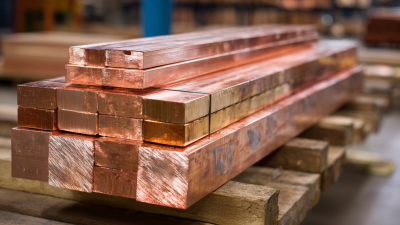
A plated copper bus bar is a reliable electrical conductor. It is designed for distributing electrical current in various applications, including power systems and commercial buildings. The plated surface enhances conductivity and minimizes resistance. Research shows that copper bus bars can improve energy efficiency by up to 30%.

The plating process provides additional protection against corrosion, which is a common issue in industrial settings. Corrosion can lead to failures and costly repairs. The longevity of a plated copper bus bar often exceeds that of non-plated alternatives, making it a smart investment for buyers looking for durability.

While plated copper bus bars offer several benefits, potential users must weigh their options carefully. The initial cost can be higher compared to other materials, which may deter some buyers. It's crucial to understand the long-term savings and performance gains. Making an informed decision based on data and reliability is essential for any buyer.

Key Materials Used in Plated Copper Bus Bars

Plated copper bus bars are crucial in electrical systems. These components are made to enhance conductivity and durability. Key materials used in their construction are essential for performance and reliability.

The base material is usually copper. This metal is known for its excellent conductivity. Copper is often plated with a layer of nickel or silver. This plating improves corrosion resistance. It also helps in achieving a smoother surface for better connections.

Another important aspect is the thickness of the plating. Proper thickness balances cost and performance. Thin plating may wear quickly, while overly thick plating can be unnecessarily expensive. Therefore, finding the right thickness is essential for long-term use. Ensuring quality in the plating process can prevent issues later on. It's a detail that should not be overlooked.

Manufacturing Process of Plated Copper Bus Bars

The manufacturing process of plated copper bus bars involves several key stages. Initially, raw copper is sourced and shaped into bars. The purity of this copper is crucial. High purity levels enhance conductivity and ensure reliability. According to industry reports, copper with a purity level above 99.9% is ideal for optimal performance.

Once the copper is shaped, it undergoes surface plating. This step is vital as it affects the bar's corrosion resistance and overall durability. Plating can involve various materials, often nickel or tin. This combination enhances the bus bar’s ability to perform under harsh environmental conditions. Research indicates that properly plated bars can last up to 30% longer than unplated ones.

The final assembly involves testing and quality assurance. Each bar is assessed for electrical and mechanical properties. The process is crucial for ensuring the bus bars meet industry standards. Some manufacturers may overlook this, resulting in inconsistent quality. Continuous improvement in the manufacturing processes is necessary for addressing these challenges, ensuring buyers receive reliable products.

Advantages of Using Plated Copper Bus Bars

Plated copper bus bars are increasingly popular in electrical systems due to their unique advantages. These bars are known for their exceptional conductivity, which significantly reduces energy loss. They provide an efficient way to transport electricity across various components. The plating offers increased durability, protecting against oxidation and corrosion that can impact performance.

Moreover, the surface finish of plated copper enhances its overall appearance, making it attractive for visible installations. It is essential to note that not all plated materials meet the same quality standards. Ensuring the right thickness of plating is crucial, as insufficient coating may lead to wear. Buyers should always seek reliable suppliers who provide detailed specifications.

Using plated copper bus bars can lead to long-term savings. Efficient energy transfer minimizes operational costs. However, the initial investment can be higher compared to other materials. It's important to weigh these factors before making a decision. Sometimes, a cheaper alternative may seem appealing, but it could lead to greater expenses later on due to lower efficiency. Making the right choice requires careful consideration.

Applications of Plated Copper Bus Bars in Industries

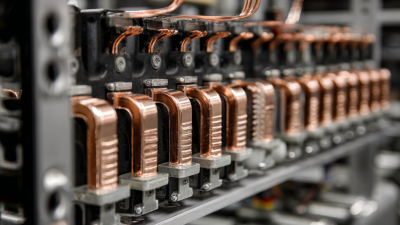
Plated copper bus bars play a significant role across various industries due to their excellent electrical conductivity and resistance to corrosion. These bus bars are commonly utilized in power distribution systems, renewable energy applications, and electric vehicles. According to a recent report by Freedonia Group, the demand for copper bus bars in North America is expected to grow by over 4% annually through 2025. This highlights the ongoing reliance on efficient electrical solutions in multiple sectors.

In the manufacturing sector, plated copper bus bars are often employed in switchgears and transformers. Their thin, durable coating allows for improved performance under high-temperature conditions. Research suggests that the energy efficiency of electrical systems can rise by approximately 6% when using high-quality bus bars. Additionally, in renewable energy, these components support solar inverters, optimizing the energy conversion processes.

Tips: Ensure proper installation to maximize lifespan. Regular inspections can prevent unplanned downtimes. Look for manufacturers with a solid track record; reliability is key.

Investing in plated copper bus bars is advantageous for companies seeking durability and efficiency. However, it’s crucial to assess the specific needs of each application. Not all industries may fully benefit from every type of plating. Understanding these distinctions can lead to better, more informed decisions.

Comparing Plated Copper Bus Bars with Other Conductors

Plated copper bus bars are known for their durability and conductivity. When comparing them with other conductors, the quality of performance becomes evident. Plated copper provides lower resistive losses, which is crucial in power applications. This means energy efficiency is significantly improved, reducing operational costs.

In contrast, aluminum bus bars, while lighter, lack the same level of conductivity. They can also corrode more easily in certain environments. This raises concerns about long-term reliability. The plating process enhances copper bus bars, giving them a protective layer. This reduces wear and extends their lifespan compared to traditional bare copper.

Another alternative is brass, which offers some strength but often fails to match copper’s electrical properties. Buyers should consider how each material performs under specific conditions. While plated copper bus bars may come at a higher initial cost, their benefits in efficiency and longevity often justify the investment. Additionally, maintaining the integrity of the bus bar over time can lead to lower maintenance costs. Evaluating all these factors helps buyers make informed decisions.

Considerations for Buyers When Selecting Bus Bars

When selecting plated copper bus bars, buyers should consider a few key factors. First, the thickness of the plating is crucial. Thicker plating often provides better durability and corrosion resistance. However, it can also increase the costs. Balancing performance and budget will help in making an informed decision.

Another important aspect is the bus bar's dimensions. Buyers must ensure that the bar fits within their systems. Proper size ensures adequate conductivity and minimizes heat generation. Additionally, attention should be given to the connection methods. Some connectors may not align well with certain bus bar designs. This misalignment can lead to inefficient performance.

Lastly, buyers should evaluate the manufacturer's reputation. Researching reviews and asking for recommendations can offer insights. A reliable manufacturer should provide certifications to ensure quality. Reflecting on these considerations will aid in selecting the right plated copper bus bars for specific needs.

FAQS

: What are the benefits of using plated copper bus bars?

: They offer exceptional conductivity, reducing energy loss. They also enhance durability against oxidation and corrosion.

How does plating affect the performance of copper bus bars?

Plating provides a protective layer, improving longevity and reducing wear compared to bare copper.

Are plated copper bus bars more cost-effective in the long run?

Yes, their efficient energy transfer may lead to lower operational costs over time, despite a higher initial investment.

Why should buyers check the quality of plated bus bars?

Not all plating meets quality standards. Insufficient coating can lead to increased wear and decreased performance.

How do aluminum bus bars compare to plated copper?

Aluminum is lighter but less conductive and can corrode more easily, affecting long-term reliability.

Can using cheaper alternatives lead to higher costs later?

Yes, alternatives may seem attractive initially but can result in higher expenses due to lower efficiency.

What specific conditions should buyers consider when choosing a bus bar material?

The performance of materials can vary based on environmental conditions, such as temperature and humidity.

Is brass a viable alternative to copper bus bars?

Brass has some strength but usually falls short of matching copper’s electrical properties and efficiency.

How important is the thickness of the plating on bus bars?

Right thickness is crucial; insufficient coating might shorten the lifespan and effectiveness of the bus bar.

Are there any drawbacks to using plated copper bus bars?

Higher upfront costs can be a barrier, but their benefits often outweigh these initial expenses.

Conclusion

A plated copper bus bar is a crucial component in electrical systems, designed to conduct electricity efficiently and reliably. These bus bars are made from high-quality copper, which is then plated with a thin layer of another metal to enhance conductivity and resistance to corrosion. The manufacturing process involves precise techniques that ensure durability and optimal performance.

The advantages of using plated copper bus bars include improved electrical conductivity, reduced cost over time due to lower maintenance, and versatility for various applications across industries, such as power distribution and renewable energy systems. When comparing plated copper bus bars to other conductors, they often exhibit superior performance characteristics. Buyers should consider factors such as material quality, manufacturing processes, and specific application needs when selecting the right bus bars for their projects.

Blog Tags:

Sophie

Sophie

Sophie is a dedicated marketing professional at Sichuan D&F Electric Co., Ltd., a reputable manufacturer and supplier of electrical connection components and electrical insulation structural parts. Founded in 2005 and located in the Jinshan Industrial Park of Deyang, Sichuan, D&F has established......
Previous Top 10 Benefits of Prepreg Insulation Paper for Buyers?
Next China Best Copper Braid Flexible Busbar Supplier for Global Buyers?