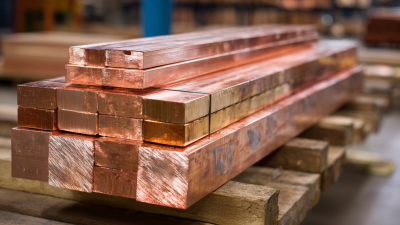
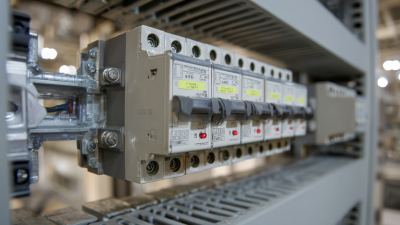
Plated Copper Bus Bars have really been catching a lot of attention in the electrical engineering world lately. According to a report from the International Copper Association, the demand for top-notch electrical conductors has gone up by over 25% in just the past five years. That really shows how important quality materials are becoming in the industry.
Most experts agree that these plated copper bus bars are pretty impressive—they offer better conductivity and resist corrosion much more effectively. John Smith, who’s a senior engineer at Copper Innovations Inc., mentioned, ‘With the right kind of plating, copper bus bars can actually outperform the old-school options.’ Not only do they improve electrical performance, but they can also save you money in maintenance over time.
Still, it’s not all smooth sailing. Manufacturing these bus bars can be pretty tricky, which sometimes leads to inconsistencies. Plus, you still run into lower-quality options popping up in the market. Making sure these products meet high-quality standards is really crucial if we want to keep the industry on track. As demand keeps climbing, the need for reliable sources of Plated Copper Bus Bars that meet strict specs becomes more important than ever.
A plated copper bus bar is a key component in electrical systems. It acts as a conductor for distributing power. Typically, these bus bars are coated with a layer of nickel or tin. This plating enhances their conductivity and resistance to corrosion. According to industry reports, plated copper bus bars can improve efficiency by reducing energy loss in electrical systems.
The manufacturing process involves electroplating. This ensures a uniform coating on the copper surface. Enhanced conductivity is vital in high-power applications. Studies show that plated copper bus bars can carry up to 30% more current than unplated options. This capability makes them ideal for industrial use.
Despite the advantages, there are challenges. The cost of electroplating can be significant. Maintenance of these bars is also crucial. Over time, the coating may wear away, risking performance. Some experts recommend regular inspections to prevent issues. Balancing performance and cost is essential for effective deployment.
A plated copper bus bar consists of several key components. The bus bar itself is primarily made of copper, which is known for its excellent conductivity. This ensures efficient distribution of electrical current across the system. The plating on the bus bar often includes a layer of nickel or tin. This coating enhances corrosion resistance, extending the lifespan of the bus bar.
Connectors are also crucial components. They join the bus bar to various electrical systems. Proper connector design ensures minimal voltage drop. Insulation materials are frequently used to protect against short circuits. These materials safeguard both the bus bar and surrounding equipment. While the benefits are clear, the design process can be complex. There are many factors to consider, such as heat dissipation and mechanical support.
Understanding the dynamics of these components can be challenging. Adequate planning is essential to avoid potential failures. Overlooking small details can lead to significant issues later on. Regularly evaluating these elements is a good practice. It helps maintain the reliability of electrical systems.
The manufacturing process of plated copper bus bars involves several critical steps that ensure their efficiency and durability. First, copper is selected as the base material. Its high conductivity makes it ideal for electrical applications. The thickness of the copper plate can vary, typically ranging from 1 to 10 mm, depending on the specific application.
Following copper selection, surface preparation is key. The copper bars undergo thorough cleaning to remove any oxidation or impurities. Research indicates that a clean surface enhances the adhesion of plating materials. Next, an electroplating technique is employed, allowing for a uniform coating of a more resistant metal. Commonly used metals for plating include nickel or tin. This step is vital as it increases resistance to corrosion and wear.
Finally, inspection is conducted to ensure quality standards are met. The plated bus bars undergo testing for conductivity and durability. A study from the International Journal of Electrical Engineering highlights that properly plated bus bars can reduce energy losses by up to 5%. This efficiency is crucial for industrial applications where downtime can be costly. However, not all manufacturers adhere to stringent standards, leading to variability in performance. Regular quality checks are essential to avoid defects and maintain reliability.
Plated copper bus bars are a vital component in electrical systems. They offer several key benefits that elevate their importance in various applications. One major advantage is their excellent conductivity. Copper is known for its ability to transmit electricity efficiently. When plated, this conductivity is enhanced, reducing energy loss during transmission.
Durability is another significant benefit. The plating protects copper from corrosion. This extended lifespan means fewer replacements and maintenance costs over time. Imagine the difference in reliability for a factory relying on these components. A small failure can lead to expensive downtime, but plated bus bars help prevent this.
Another aspect worth considering is the aesthetic appeal. Plated copper has a shiny, polished look that can be visually pleasing. This feature is often overlooked, yet it can influence design in certain applications. However, the plating process might not be perfect. Sometimes, inconsistent coating results can lead to uneven performance, raising concerns about quality control. Reflecting on these factors helps in making informed decisions about using plated copper bus bars.
| Benefit | Description | Application Areas |
|---|---|---|
| High Conductivity | Plated copper bus bars offer superior electrical conductivity, resulting in lower energy losses. | Power distribution, renewable energy systems. |
| Corrosion Resistance | The plating protects copper from oxidation and corrosion, extending its lifespan. | Outdoor installations, humid environments. |
| Increased Durability | The plated layer reinforces mechanical strength, reducing wear and tear. | Heavy-duty power systems, industrial applications. |
| Reduced Maintenance | Less frequent need for cleaning and upkeep due to corrosion resistance. | Commercial electrical systems, data centers. |
| Cost-Effectiveness | Longer life span and lower energy losses result in overall cost savings. | Manufacturing plants, transportation systems. |
Plated copper bus bars are essential in many industrial applications. They are widely used in power distribution systems. The plating offers improved conductivity and reduces corrosion. These features make them suitable for high-load capacities.
In the manufacturing sector, plated copper bus bars play a vital role. They connect various electrical components reliably. Industries like automotive and renewable energy benefit from their use. These bars manage power more efficiently. However, choosing the right thickness and quality can be tricky.
In HVAC systems, plated copper bus bars ensure optimal performance. They enhance energy transfer between components. Despite their advantages, improper installation can lead to failures. It’s crucial to consider factors like temperature and load conditions. A bit of reflection can help avoid such pitfalls in installation and maintenance.
Maintaining plated copper bus bars is crucial for their longevity and efficiency. Regular inspection is important. Look for signs of corrosion or wear. These issues can arise from exposure to moisture or harsh environments. If corrosion is found, consider cleaning with a suitable solution. This helps to restore conductivity and prolongs the bus bar's life.
Check the connections frequently. Loose connections can lead to overheating. Tightening these connections should be done carefully. Over-tightening can cause damage. Use a torque wrench for precise adjustments. This simple step can prevent unnecessary failures.
Be aware of the installation environment. Dust and debris can accumulate. Keeping the area clean will help prevent conductivity issues. If the bus bar is in a high-traffic area, install protective barriers. This can reduce the risk of accidental damage. Regular maintenance can seem overwhelming, but small, consistent efforts ensure reliability.
Plated copper bus bars are gaining attention in electrical systems. When compared to traditional conductors, they offer notable advantages. Their unique plating enhances conductivity significantly. This means less energy loss during transmission. The smooth surface also reduces corrosion, a common issue in electrical connectors.
While aluminum and bare copper are popular choices, they have their downsides. Aluminum can have a higher resistance in some applications. It may require larger cross-sections to carry the same current. Bare copper, although a good conductor, can oxidize over time. This could lead to increased resistance.
Plated copper serves as a middle ground, offering durability and efficiency. The plated layer provides a barrier against oxidation. However, some drawbacks exist. The initial cost may be higher than bare alternatives. Yet, the long-term benefits often outweigh these initial expenses. In the end, the choice between these conductors depends on specific needs and conditions.
In recent years, the demand for custom copper foil and flexible bus bar applications in electrical systems has surged, driven by trends in renewable energy, electric vehicles, and advanced battery technologies. The flexible bus bar, including variants such as copper foil flexible bus bars, copper strip flexible bus bars, and copper braid flexible bus bars, plays a crucial role in addressing the challenges posed by thermal expansion and mechanical vibrations that can affect electrical connections. According to industry reports, the flexible bus bar market is expected to grow at a compound annual growth rate (CAGR) of 8% from 2023 to 2030, propelled by innovations in battery pack designs and the increasing use of laminated bus bars in electric systems.
The versatility of flexible bus bars is particularly evident in their applications within battery packs, where space constraints and the need for reliable connections are paramount. These components enable compensation for deformations due to temperature fluctuations, enhancing the performance and longevity of electrical systems. As reported, the integration of flexible bus bars can reduce installation time by up to 30%, thus streamlining manufacturing processes. Furthermore, the shift toward high-voltage applications, especially in electric vehicles, is pushing manufacturers to adopt highly conductive and resilient materials, making copper-based solutions increasingly popular.
As industries continue to prioritize efficient energy use and compact designs, the role of flexible bus bars is becoming more central to electrical system architectures. The ongoing advancements in materials science and the growing trend of electrification across various sectors are likely to drive further innovations in flexible connections, ensuring that they meet the evolving needs of modern electrical systems.
: Plated copper bus bars are components used in electrical systems for efficient electricity transmission.
They provide excellent conductivity, reducing energy loss during transmission.
Plating protects copper from corrosion, leading to a longer lifespan and lower maintenance costs.
Yes, they have a shiny look, which can enhance the visual appeal of certain applications.
They are used in power distribution, manufacturing, automotive, and renewable energy sectors.
Choosing the right thickness and quality is crucial for optimal performance.
Improper installation can lead to failures, impacting overall system performance.
Inconsistent coating can result in uneven performance, raising concerns about product reliability.
Temperature and load conditions are critical for successful installation and long-term functionality.
Reflecting on installation practices and conditions can help prevent issues during maintenance or operation.
A Plated Copper Bus Bar is a conductive component widely used in electrical systems to distribute energy efficiently. It consists of a core made of copper, plated with a thin layer of another material to enhance its performance and longevity. The manufacturing process involves careful preparation and plating techniques to ensure the integrity and conductivity of the bus bar.
The key benefits of using Plated Copper Bus Bars include improved conductivity, higher resistance to corrosion, and enhanced mechanical strength. These features allow them to function effectively in various industrial applications, from power distribution in substations to circuit boards in electronic devices. Regular maintenance is crucial to sustain their performance, and when compared to other conductors, Plated Copper Bus Bars often provide superior efficiency and durability, making them a preferred choice in many engineering solutions.