• facebook
  • sns04
  • twitter
  • linkedin
Call Us:+86-13568272752
0%

In the world of electrical engineering, you really can’t overlook the Plated Copper Bus Bar. It’s a key player when it comes to distributing power efficiently. I’ve heard Dr. Emily Carter from Power Solutions Inc. say that, and she’s pretty much an expert—she mentions that the quality of these bus bars can make a huge difference in how smoothly everything runs.

These plated copper bus bars aren’t just for show; they’re used pretty much everywhere—think about substations, data centers, and industrial plants. They’re designed to keep energy loss to a minimum during transmission, which is super important. But here’s the thing — not all bus bars are the same. Things like how thick the plating is and how pure the copper is really matter.

Unfortunately, a lot of folks tend to overlook these tiny details. A cheap or poorly made bus bar? That can lead to heat buildup, system failures, and a whole lot of headaches. It’s actually pretty tricky to set a standard for quality across the industry. As Dr. Carter pointed out, paying attention to the small stuff is crucial if you want things to be reliable. Getting a better handle on these components can save you from costly mistakes and help things run a lot smoother.

What is a Plated Copper Bus Bar and Its Applications?

Definition of a Plated Copper Bus Bar

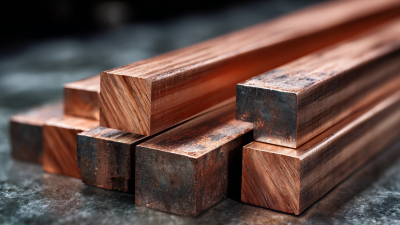
A plated copper bus bar is a conductive metallic strip used in electrical systems. It is primarily made of copper, known for its excellent conductivity. The surface is often coated with a thin layer of another metal, typically nickel or tin. This plating enhances protection against corrosion. It increases the bus bar's durability and lifespan in various environments.

These bus bars are crucial in power distribution. They connect different electrical components, ensuring efficient current flow. For instance, they are widely used in electrical panels and switchgear. In renewable energy systems, such as solar inverters, plated copper bus bars help manage large currents effectively. Their design can be customized to fit specific needs.

However, manufacturing these bus bars can be challenging. Achieving a uniform plated surface requires precision. Any roughness or inconsistency can lead to electrical resistance. This is something that must be closely monitored during production. Overall, plated copper bus bars play a vital role in enhancing electrical efficiency, while their production process needs careful oversight to avoid potential issues.

Key Features of Plated Copper Bus Bars

Plated copper bus bars are essential components in electrical systems. They serve as connectors for batteries, circuit breakers, and other electrical devices. Their unique design allows for better conductivity and durability compared to unplated versions. With a copper core and a plating layer, they combine strength and excellent electrical performance.

One key feature of plated copper bus bars is their corrosion resistance. The plating protects the copper from environmental factors. This is vital in applications like industrial settings, where exposure to moisture or chemicals is common. It reduces the risk of failures due to oxidation. However, the quality of the plating can vary, leading to potential performance issues.

Another important aspect is their thermal management. Plated copper bus bars effectively dissipate heat generated during operation. This makes them ideal for high-load conditions. Yet, improper installation can lead to hotspots, jeopardizing their function. Careful consideration of installation practices is necessary to maximize their benefits. Each application may require a tailored approach. This attention to detail often separates successful implementations from those that fall short.

Manufacturing Process of Plated Copper Bus Bars

Plated copper bus bars are essential in electrical systems. Their manufacturing process involves several key steps. The initial stage usually begins with high-purity copper bars. These bars undergo cleaning to remove impurities. A clean surface is crucial for optimal plating.

Next, the bars are immersed in a plating solution. Nickel or tin is commonly used for plating. The choice of metal impacts conductivity and corrosion resistance. After immersion, the bars are electroplated. This means that a thin layer of metal adheres to the copper surface.

Finally, the finished bars are tested for quality. This step is essential to ensure that they meet specific electrical and mechanical standards. There might be imperfections in the plating, which can affect performance. Continuous monitoring is crucial to improve the process. It's vital to refine techniques and explore different plating materials for better efficiency. Such reflections lead to advancements in manufacturing practices over time.

Common Applications of Plated Copper Bus Bars

Plated copper bus bars are versatile components used in various electrical applications. They provide excellent conductivity and are known for their durability. These bars are often found in power distribution systems, switchgear, and transformers. Their ability to handle high current loads makes them ideal for commercial and industrial settings.

One common application is in the manufacturing of electrical panels. Bus bars help connect multiple circuits efficiently. They can reduce the need for sizing wires, saving space and improving organization. In renewable energy systems, such as solar arrays, plated copper bus bars serve as critical connectors. They link solar panels to inverters, ensuring smooth power flow.

However, the use of plated copper bus bars is not without challenges. Corrosion can be a concern if they are not properly maintained. A careful inspection and regular maintenance can help mitigate these issues. Additionally, improper sizing can lead to overheating and reduced efficiency. Understanding the specific needs of a project is essential when selecting bus bars for optimal performance.

What is a Plated Copper Bus Bar and Its Applications? - Common Applications of Plated Copper Bus Bars

Application Area Description Benefits
Power Distribution Used to connect electrical circuits in substations and switchgear. High conductivity reduces energy loss.
Renewable Energy Systems Facilitates the connection of solar panels and wind turbines. Durable and weather-resistant for outdoor use.
Industrial Equipment Connects various machinery and equipment in factories. Enhances operational efficiency and reliability.
Telecommunications Used in the power supply of telecom infrastructure. Minimizes the risk of signal loss and maximizes uptime.
Automotive Industry Connects battery systems and electric power distribution. Lightweight yet strong, improving vehicle efficiency.

Benefits of Using Plated Copper Bus Bars

Plated copper bus bars are vital in electrical applications. They enhance conductivity while minimizing resistance through a protective layer. This makes them an excellent choice for various industries, including power distribution and renewable energy.

According to industry reports, plated copper bus bars can improve energy efficiency by up to 30%. They prevent corrosion, allowing longer service life. Corrosion can be a significant issue, especially in humid environments. The plating creates a barrier, reducing maintenance costs. This has a direct impact on operational budgets.

In large facilities, the weight of bus bars is essential. Plated copper bus bars are lighter than solid copper alternatives. This weight reduction can simplify installation and reduce structural requirements. However, it’s crucial to choose the right thickness for the plating to maintain durability. Some applications may require thicker layers to withstand environmental stress. Balancing weight and robustness is a challenge in design.

Benefits of Using Plated Copper Bus Bars

Comparative Analysis with Other Bus Bar Materials

Plated copper bus bars are attractive for electrical applications. They are durable and provide excellent conductivity. However, comparisons with other materials reveal both strengths and weaknesses.

Aluminum bus bars are lighter but less conductive than copper. They tend to oxidize, reducing performance over time. In contrast, plated copper combines copper's conductivity with a protective layer. This layer minimizes corrosion and enhances longevity. Yet, they can be more expensive than aluminum options.

Tips: Always evaluate the environment. High moisture areas may require a more robust design. Also, consider weight and space constraints. Choose the material that balances performance with budget.

Stainless steel offers high strength but has lower conductivity. Its durability is appealing. Yet, the potential for inefficiencies remains a concern. In some cases, a hybrid approach may work better to leverage the benefits of different materials. Evaluate all options carefully to find the best fit for your needs.

Maintenance and Safety Considerations for Plated Copper Bus Bars

What is a Plated Copper Bus Bar and Its Applications?

Plated copper bus bars are crucial for power distribution in various settings. They conduct electricity efficiently and withstand high currents. However, maintenance is essential to ensure their longevity. Regular inspections should focus on signs of corrosion or wear. Even a small discoloration can indicate a problem.

Safety is another critical aspect. Proper handling reduces the risk of electrical accidents. It is vital to keep bus bars dry and clean. Dust and moisture can create hazards. Using insulated tools can prevent accidental shorts. Additionally, training personnel in safe maintenance practices is important. Ignoring these factors can lead to costly failures and unsafe environments. Regular audits and checks can help reinforce safety and performance standards.

Innovative Electrical Solutions: Exploring the Benefits of Custom Copper Foil and Flexible Bus Bars

In recent years, the demand for innovative electrical solutions has surged, particularly in industries focusing on renewable energy and advanced electronic applications. One such solution that stands out is the use of custom copper foil and flexible bus bars. These components play a crucial role in ensuring the efficiency and reliability of electrical connections, particularly in environments subjected to temperature fluctuations and mechanical vibrations. The flexibility provided by these bus bars enables them to compensate for deformation, which is vital in maintaining optimal performance and extending the lifespan of electrical systems.

Flexible bus bars, which encompass various forms such as copper foil, copper strips, and copper braid configurations, are designed to enhance the adaptability of electrical systems. According to industry reports, the flexible bus bar market is projected to grow significantly, driven by advancements in electric vehicle technology and energy storage systems. The need for seamless electrical connections in battery packs, particularly between laminated bus bars, has propelled manufacturers to innovate and optimize these flexible connectors. By utilizing copper materials, these bus bars ensure excellent conductivity and minimal energy loss, further emphasizing their importance in modern electrical applications.

As the global shift towards sustainable and efficient energy solutions continues, the integration of custom copper foil and flexible bus bars not only meets the demands of current technologies but also paves the way for future advancements. Their ability to accommodate thermal expansion and mechanical strain makes them indispensable in today's rapidly evolving electrical landscape.

FAQS

: What is the main topic of the articles?

: The articles focus on practices for improving mental well-being.

How can one practice mindfulness?

One can practice mindfulness by engaging in meditation, deep breathing, or simply being present in daily tasks.

What are some benefits of journaling?

Journaling helps clarify thoughts, track emotions, and enhance self-awareness. It can be therapeutic.

How does physical activity impact mental health?

Regular physical activity boosts mood, reduces anxiety, and increases overall energy levels, promoting a healthier mind.

Are there any common pitfalls in improving mental health?

Overlooking small wins or pushing too hard for progress can lead to frustration instead of growth.

What role does social support play?

Social support provides emotional safety and helps individuals feel understood. It is essential for mental health.

How can one start a gratitude practice?

Begin by writing down three things you are grateful for each day. It fosters positivity and awareness.

What should I do if I feel overwhelmed?

Take a break. Engage in calming activities, such as reading or walking. Reflection is key during overwhelming times.

Can lifestyle changes impact mental well-being?

Yes, small changes in sleep, diet, or routine can have significant effects on overall mental health.

Is it important to seek professional help?

Yes, seeking professional help can provide guidance and support. It's totally okay to ask for help when needed.

Conclusion

A Plated Copper Bus Bar is an electrical conductor used in various applications to distribute power efficiently. Characterized by its excellent conductivity and resistance to corrosion, this type of bus bar is manufactured through a process that involves plating copper with other materials to enhance its performance. Key features include high durability, a compact design, and scalability for different industrial needs.

The common applications of Plated Copper Bus Bars range from power generation to data centers, making them essential in modern electrical infrastructure. Their advantages over other materials include lower energy loss and improved reliability. However, proper maintenance and safety considerations are crucial to ensure optimal performance and longevity. Overall, the Plated Copper Bus Bar stands out for its effectiveness in transmitting electrical power while minimizing potential hazards in various environments.

Blog Tags:

Sophie

Sophie

Sophie is a dedicated marketing professional at Sichuan D&F Electric Co., Ltd., a reputable manufacturer and supplier of electrical connection components and electrical insulation structural parts. Founded in 2005 and located in the Jinshan Industrial Park of Deyang, Sichuan, D&F has established......
Previous Exploring the Unique Properties and Applications of Best Nomex T410 Film: A Comprehensive Guide for Buyers