


In the fast-paced world of electrical engineering, choosing the right busbar insulator material isn’t just a small detail – it’s actually pretty important. I mean, Dr. Emily Johnson from Insulator Innovations puts it nicely when she says, ‘Picking the right materials can really boost both efficiency and safety.’ It’s kind of a big deal because these materials play a crucial role in keeping everything running smoothly.
Busbar insulators might not be something everyone thinks about, but they actually do a lot of heavy lifting in electrical setups. They support and protect the busbars, making sure they don’t accidentally contact other conductive surfaces. Still, a lot of folks tend to overlook what really goes into choosing the right material. Because, honestly, each insulator type has its own unique perks and quirks, which can make the decision pretty complicated, especially when you’re trying to find the perfect fit for a specific job.
Plus, things like temperature swings and environmental factors can really mess with insulator performance. Engineers often find themselves in a bit of a dilemma, juggling between durability, cost, and other factors. To make smarter choices, it helps to understand the different materials out there. Listening to industry experts’ insights can definitely make things clearer. So, I’ve put together a list of the top ten busbar insulator materials — hoping to make this whole decision process a little less overwhelming and a bit more straightforward.

Definition and Importance of Busbar Insulators in Electrical Systems
Busbar insulators play a vital role in electrical systems. They support and insulate busbars, which carry high currents. These insulators prevent electrical leakage and short circuits. Without proper insulation, electrical systems risk failures. This can lead to costly downtime and safety hazards.
The materials used for busbar insulators are diverse. Some common options include glass, ceramics, and polymers. Each material has unique properties, affecting performance and reliability. For instance, ceramic insulators are durable but heavy. Polymer insulators are lighter but may degrade faster under UV exposure. Choosing the right material is crucial for system efficiency.
However, not all insulators are created equal. Improper selection can lead to operational issues. The environment where they are installed matters. Factors like temperature, humidity, and pollution influence material performance. Regular inspections are necessary to ensure that the insulators remain effective. This aspect is often overlooked and can lead to significant problems. The balance between cost and quality is essential in this process.


Maximizing Efficiency and Durability: An In-Depth Look at China’s High-Quality Laminated Bus Bars
Laminated bus bars, also known as composite bus bars or low inductance bus bars, have emerged as a pivotal component in modern electrical systems. These engineered components consist of multiple copper conductive layers interspersed with thin dielectric materials, which are then laminated into a cohesive unit. This innovative design significantly enhances the efficiency of electrical distribution systems, reducing losses due to inductance and improving overall performance.
According to industry reports, the growing demand for compact power systems and renewable energy solutions is driving the laminated bus bar market. Recent data highlights a compound annual growth rate (CAGR) of 6.5% for laminated bus bars from 2021 to 2026, underscoring their increasing relevance in sectors such as renewable energy, automotive, and industrial applications. The low inductance characteristics make them ideal for power electronics and high-frequency applications, which require minimal energy loss and enhanced operational durability.
In addition to efficiency, laminated bus bars are designed for durability. Their laminated structure offers superior resistance to mechanical stress and thermal cycling, making them suited for harsh operational environments. Emerging trends indicate a focus on sustainability, with manufacturers exploring eco-friendly dielectric materials to further enhance the environmental benefits of these components. As industries collaborate to develop more efficient power systems, laminated bus bars will play a critical role in achieving reliability and longevity in electrical applications.

FAQS
: Common materials include porcelain, glass, rubber, and resin composites. Each material has its unique properties.
Porcelain insulators offer high mechanical strength and durability. However, they can be brittle, which poses installation risks.
Glass insulators have excellent dielectric strength but can be heavy and fragile. This makes handling challenging.
Rubber insulators are flexible. Yet, they may degrade faster in harsh environmental conditions, limiting their lifespan.
Testing materials under working conditions can reveal weaknesses. Theory often differs from real-world performance.
Environmental conditions, sustainability, and material durability should all be assessed for best performance.
Polymer insulators are lighter and flexible. However, they may have inconsistent performance in extreme temperatures.
High water absorption can degrade performance. Selecting materials with low absorption rates is crucial in humid areas.
Eco-friendly materials can reduce waste but may require significant energy to produce. Balance is necessary here.
Flexibility can aid installations but might compromise durability. Striking a balance is still a challenge in the industry.
Conclusion
Busbar insulators play a crucial role in electrical systems by ensuring safe and efficient operation. The selection of busbar insulator materials is vital, as they must withstand high voltage and environmental stresses. Key performance factors include dielectric strength, thermal stability, and mechanical durability. While traditional materials like porcelain and glass have been widely used, emerging advanced materials such as polymer composites exhibit enhanced properties that could lead to improved performance.
In a comparative analysis, different busbar insulator materials reveal varying insulation properties that impact their effectiveness. Environmental considerations are also paramount when selecting materials, as sustainability and lifecycle impacts gain importance in the industry. Looking ahead, future trends indicate a shift towards innovative busbar insulator materials, driven by technological advancements and the need for greater efficiency and resilience in electrical infrastructure.
Related Posts
-

What Constitutes Busbar Insulator Material in Electrical Systems
-
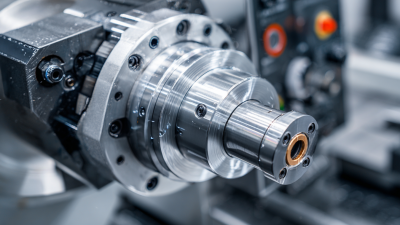
7 Essential Tips for Mastering Electrical Insulator Machining Efficiency
-

How to Choose the Right Epoxy Insulator for Your Electrical Projects
-

2025 How to Choose the Best Busbar Insulator Material for Your Project
-

What is an Insulation Bus Bar and How Does it Work?
-

Top 5 Tips for Selecting Low Inductance Busbar Solutions?


