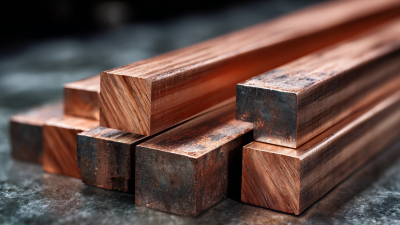
You know, in the world of electrical engineering, reliability and efficiency are kind of a big deal. That's why Fabricated Copper Busbars have really become a go-to component in lots of different projects. They're pretty lightweight but still sturdy, which is pretty impressive, and they bring some real advantages to the table. For starters, they help improve how power gets distributed and can even cut down on energy losses. Lots of companies have started using them, seeing the potential benefits.
One thing I like about Fabricated Copper Busbars is how flexible they are when it comes to design. You can customize them pretty easily to fit exactly what your project needs, which makes installation smoother and performance better. Plus, copper's durability is a big plus—it's resistant to corrosion, so these busbars tend to last longer than some other materials out there.
That said, there are a few things to keep in mind. Proper installation is super important if you want to really get the most out of them. It’s best to leave it to the pros—they know how to handle these properly and avoid mistakes. All in all, thinking about these factors can totally help you figure out if Fabricated Copper Busbars are the right fit for your project.
Fabricated copper busbars play a vital role in electrical systems. They provide a reliable means of conducting electricity. These components are highly efficient, reducing energy loss during power transmission. Their durability ensures long-term performance, making them suitable for various applications.
One significant advantage of fabricated copper busbars is their versatility. They can be customized to fit specific project requirements. This customization allows for efficient space management in electrical layouts. In tight spaces, a well-designed busbar can optimize system performance.
Tips for choosing the right busbar include evaluating your project's power requirements. Consider factors like electrical load and environmental conditions. Selecting the appropriate thickness and shape can enhance conductivity. Additionally, ensure that the material is of high quality to prevent corrosion.
Another area to reflect on is installation. Proper mounting is crucial to avoid mechanical stress. Misalignment can lead to failure, impacting system integrity. It is wise to consult with experts during the design phase to troubleshoot potential issues.
Copper busbars are critical components in electrical systems. They provide enhanced electrical conductivity, which is essential for efficient power distribution. According to a study by the International Copper Association, copper's conductivity is around 97%. This is significantly higher than that of aluminum, which is only about 61%. The higher conductivity reduces energy losses, ensuring efficient operation in various applications.
Fabricated copper busbars are often custom-designed to meet specific project needs. Their flexibility allows engineers to optimize layouts for space and performance. This customization can lead to a 15-20% reduction in energy losses compared to standard options. In environments where safety is paramount, using fabricated copper busbars helps manage thermal performance. Efficient heat dissipation minimizes risks of overheating.
However, not every project can benefit equally from copper busbars. Budget constraints may lead some to opt for cheaper materials. There's a trade-off between initial costs and long-term savings. Choosing copper means higher upfront expenses but lower operational costs over time. It's essential to evaluate these factors carefully when planning electrical systems. Balancing cost with reliability is crucial for project success.
| Benefit | Description | Impact on Projects |
|---|---|---|
| Enhanced Electrical Conductivity | Copper has the highest electrical conductivity among metals, ensuring minimal energy loss. | Reduces operational costs and improves energy efficiency in electrical systems. |
| Durability and Longevity | Resistant to corrosion and wear, ensuring a longer life span under harsh conditions. | Lower maintenance costs and fewer replacements, enhancing project sustainability. |
| Versatile Customization | Can be fabricated in various shapes and sizes to meet specific project requirements. | Increases design flexibility, allowing for tailored solutions that fit unique needs. |
| Improved Safety | Lower risk of overheating due to optimal conductance, reducing potential hazards. | Enhances occupational safety and compliance with regulatory standards. |
| Cost-Effectiveness | Despite higher initial costs, the long-term savings on energy and maintenance are significant. | Provides a strong return on investment over time, making it a wise choice for budget-conscious projects. |
Fabricated copper busbars are essential in many electrical projects. Their durability and longevity make them a preferred choice for various applications. Copper has a high conductivity level, as confirmed by industry reports, exceeding 97%. This allows for efficient energy transfer, minimizing energy loss over time.
Fabricated copper busbars typically resist corrosion, extending their usable lifetime. In fact, studies indicate that busbars can remain operational for over 25 years with minimal maintenance. This leads to fewer replacements and reduced long-term costs. The robustness of copper allows it to withstand extreme environmental conditions. This property is crucial, especially in industrial settings.
Tips: When selecting a busbar, consider the environment. If exposure to moisture is likely, proper insulation is vital. Regular maintenance checks can identify potential issues early. This proactive approach can greatly enhance the longevity of your busbar system. Remember, investing in quality materials pays off in the long run.
This chart illustrates the top 5 benefits of using fabricated copper busbars in projects, rated from 1 to 10. As depicted, conductivity is the most significant benefit, followed closely by durability and ease of installation.
Fabricated copper busbars stand out for their cost-effectiveness in electrical projects. They offer a reliable solution for various applications. Projects often require efficient power distribution systems, and copper busbars meet this demand reliably. Compared to alternatives, copper is more conductive. This property allows for reduced energy loss during transmission. As a result, projects save on electricity costs over time.
In addition, copper busbars have a longer lifespan. They resist corrosion and wear, ensuring durability. This longevity translates to fewer replacements, cutting down maintenance costs. Furthermore, the initial investment in copper busbars is usually offset by long-term savings. However, upfront costs can still be significant. It’s essential to assess your project budget carefully.
Some downsides exist as well. The fabrication of copper busbars can be complex. This may require specific expertise and tools. Not all projects may have immediate access to these resources. Therefore, planning is crucial. Balancing cost with performance is key for project success. Overall, the advantages of copper busbars are compelling, but a thoughtful approach is necessary.
When considering the use of fabricated copper busbars in various projects, customizability stands out as a critical advantage.
These busbars can be designed to meet specific requirements, ensuring optimal performance. For applications such as renewable energy systems or heavy industrial equipment, tailored dimensions and configurations help streamline installation.
This flexibility can lead to improved system efficiency and reduced electrical losses.
Tips: Always engage with experienced engineers when discussing your project requirements. Their insights can guide initial design considerations.
Moreover, the ability to customize also extends to surface finishes and connectors. These alterations can enhance electrical conductivity and mechanical integrity.
However, a well-customized design requires careful attention to detail. Inadequacies in planning can result in inefficiencies down the line.
Tips: Regularly review your design as it progresses. Reflecting on each stage minimizes potential oversights.
Utilizing fabricated copper busbars in a customized manner can significantly elevate the reliability of electrical systems. Each alteration must be thoughtfully considered, balancing functionality with effective design.
The improved heat dissipation characteristics of fabricated copper busbars are a crucial advantage for various electrical projects. Copper has an excellent thermal conductivity of around 400 W/m·K, making it highly effective in transferring heat away from critical components. This quality enables systems to maintain optimal temperatures, thereby enhancing overall efficiency and reliability. A study indicated that busbars can reduce heat buildup by 30%, which significantly extends the lifespan of electrical equipment.
Fabricated copper busbars are designed to manage heat more effectively than alternatives. In many applications, overheating can lead to operational failures or reduced efficiency. When using copper busbars, the risk of thermal stress is notably decreased. The longevity of connections improves as thermal expansion is better accommodated. Reports reveal that using copper can reduce energy losses by 15% compared to aluminum, making it a more sustainable choice.
Despite the many benefits, there are considerations. Proper installation and care are essential for maximizing these thermal properties. If poorly maintained, even copper busbars can fall short of expectations. Regular thermal inspections help identify potential issues before they escalate. Balancing operational demands with effective thermal management is critical for any project utilizing copper busbars.
The installation of fabricated copper busbars simplifies the process significantly. Traditional wiring methods can be complex and time-consuming. Fabricated busbars come pre-assembled, reducing the need for elaborate setup. Installers benefit from fewer components to manage and reduced labor time. This streamlining allows for quicker project completion and less room for error.
Moreover, these busbars offer flexibility in design. They can be customized to fit specific project requirements. This adaptability can lead to significant efficiencies, but it may also overwhelm some teams. Balancing customization with simplicity is essential. The focus should remain on meeting safety standards while optimizing the installation workflow.
In construction, every detail matters. A minor miscalculation in busbar design can lead to major issues down the line. It's crucial for teams to communicate effectively during the installation phase. Misunderstandings can arise when working with different designs. Clear protocol and consistent updates keep everyone on the same page. With careful planning, the benefits of fabricated copper busbars can be fully realized.
: Customizability allows busbars to meet specific requirements, improving performance in various applications like renewable energy.
Tailored dimensions and configurations streamline installation, leading to improved efficiency and reduced electrical losses.
They can provide insights that guide your initial design, helping ensure a successful project outcome.
Custom surface finishes can enhance electrical conductivity and mechanical integrity, which helps improve overall performance.
Poor planning can lead to inefficiencies, making it crucial to pay attention to detail throughout the design process.
Efficient heat dissipation prevents overheating, reducing operational failures and extending the lifespan of equipment.
Copper's thermal conductivity is around 400 W/m·K, making it highly effective in transferring heat away from components.
Regular thermal inspections and proper care are essential to maximize thermal properties and prevent operational issues.
Using copper can reduce energy losses by 15% compared to aluminum, presenting a more sustainable choice.
Balancing operational demands with effective thermal management is critical for successful project outcomes.
The article "Top 5 Benefits of Fabricated Copper Busbar for Your Projects" highlights the numerous advantages of utilizing fabricated copper busbars in electrical systems. One of the primary benefits is their enhanced electrical conductivity, which ensures efficient power distribution. Additionally, the durability and longevity of fabricated copper busbars make them a reliable choice for long-term projects, minimizing maintenance needs over time.
Cost-effectiveness is another significant advantage, as these busbars provide excellent performance without straining project budgets. Furthermore, their customizability allows for tailored solutions to meet specific application requirements. Fabricated copper busbars also boast improved heat dissipation characteristics, enhancing system safety and efficiency. Finally, the simplified installation process makes them a practical option for various projects, streamlining workflows and reducing labor costs. Overall, fabricated copper busbars are an essential component for any electrical project aimed at optimizing performance and reliability.